
Can solar panels overheat in an Edinburgh summer? Panels normally become warmer in sunlight, and rising cell temperature can reduce output. This guide explains that performance change, the role of ventilation and the signs that need professional attention.
The answer is more nuanced than a simple yes or no, and understanding it could help you get more from your system on the days that matter most.
Can solar panels overheat and lose efficiency?
Yes, and it is one of the least discussed aspects of solar performance in the UK.
Solar panels are rated at Standard Test Conditions (STC), which assumes a panel temperature of 25°C. Every degree above that reduces output. Most crystalline silicon panels, which make up the vast majority of UK installations, lose between 0.3% and 0.5% of output per degree Celsius above 25°C.
This is called the temperature coefficient and it is printed on every panel’s datasheet.
| Panel Temperature | Estimated Output Loss |
| 25°C (STC rated condition) | 0% baseline |
| 35°C | 3 to 5% loss |
| 45°C | 6 to 10% loss |
| 55°C | 9 to 15% loss |
| 65°C | 12 to 20% loss |
Panels in full sun can reach 20 to 30°C above ambient air temperature. On a warm Edinburgh summer day of 22°C, panel surface temperatures can easily reach 45 to 50°C, pushing output losses into the 8 to 12% range even on what looks like a perfect generation day.
How Hot Do Edinburgh Summers Actually Get?
Edinburgh sits at a higher latitude than most UK cities, which moderates summer temperatures compared to London or Birmingham.
According to the Met Office, Edinburgh’s average July maximum is around 19°C, with occasional heat events pushing above 25°C in recent years.
Scotland recorded its highest ever temperature of 35.1°C in June 2023, and climate projections from UK Climate Projections (UKCP18) indicate that Scottish summer temperatures will continue rising through the coming decades.
For solar homeowners, this means the overheating question is only going to become more relevant over the lifetime of a 25-year installation.
When Does Overheating Become a Real Problem?
Edinburgh homeowners will not experience overheating losses every day in summer, but there are specific conditions where the effect becomes significant.
Sustained High Pressure Periods
During anticyclonic spells, Edinburgh can experience several consecutive days of strong sunshine with little wind.
These are the conditions where panel temperatures climb highest and stay elevated longest. On days like this, generation in the middle of the day is often lower than morning or late afternoon output precisely because of heat-related efficiency losses.
This surprises many homeowners who assume peak sun means peak output.
South-Facing Roofs With Poor Ventilation
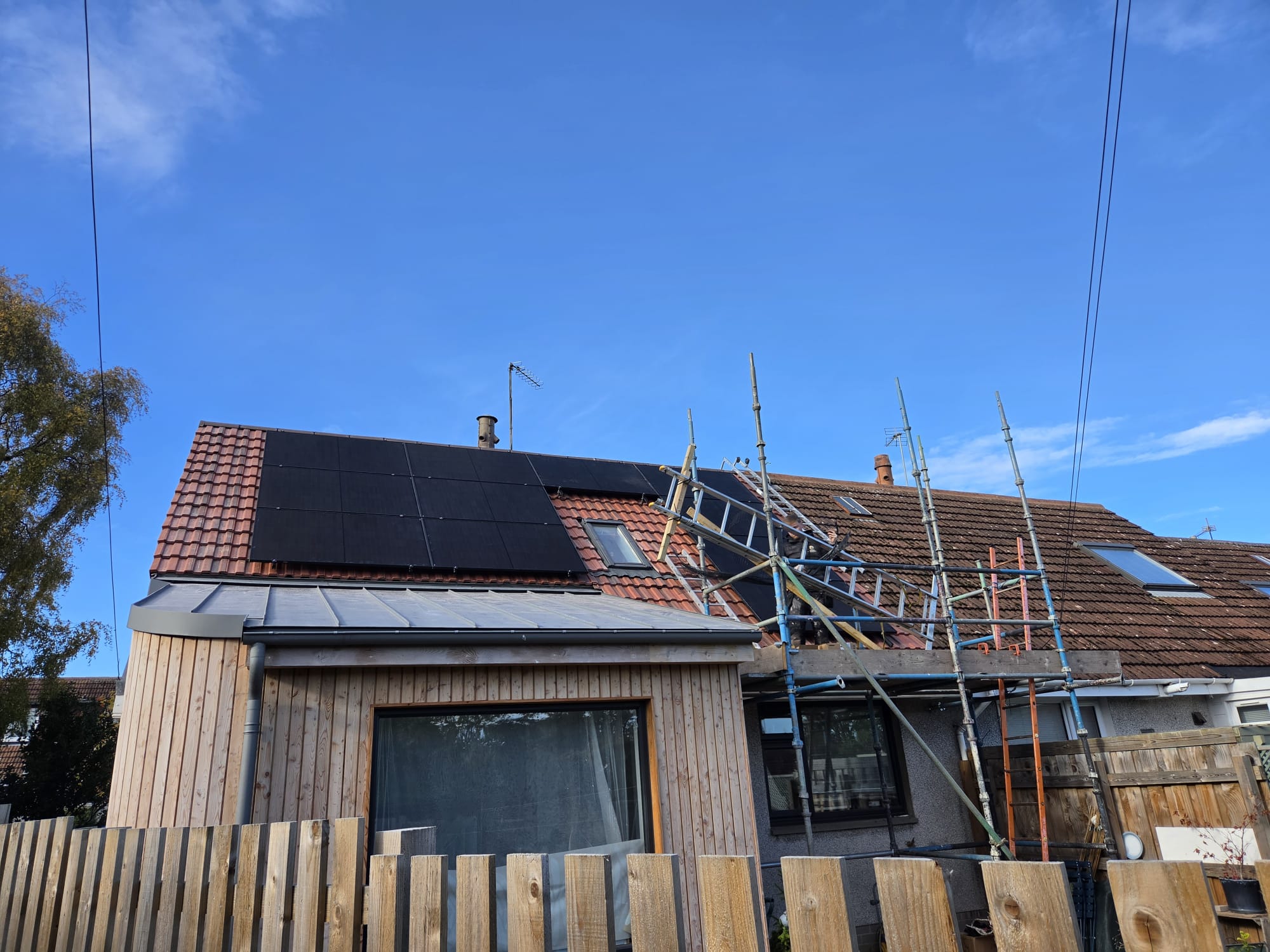
Panels mounted flush to a roof surface with minimal air gap underneath trap heat far more than panels with adequate clearance.
The air gap between the panel and the roof surface acts as a natural cooling channel. Installations where this gap is less than 50mm, or where the roof material absorbs and radiates significant heat, create conditions where panel temperatures consistently run higher than they should.
The correct mounting system for your roof directly affects how well heat dissipates from the rear of your panels.
Dark Roof Surfaces
Black or dark grey roof materials absorb heat and radiate it upward into the underside of panels.
This is particularly relevant for Edinburgh tenements with dark slate roofs, where the combination of an old heat-absorbing surface and a poorly ventilated installation can add several degrees to panel operating temperature compared to a lighter coloured roof with a properly spaced mounting system.
In-Roof or Integrated Panel Systems
In-roof solar systems, where panels sit flush within the roof plane rather than above it, are particularly vulnerable to overheating.
Because they have no airflow behind them, heat builds up with nowhere to go. In-roof versus on-roof solar covers the trade-offs between the two approaches in detail, and thermal performance is one of the most significant practical differences between them.
How to Read Your Panel’s Temperature Coefficient
This number is on your panel datasheet and tells you exactly how much heat affects your specific panels.
It is expressed as a negative percentage per degree Celsius, for example -0.38%/°C. To calculate your actual output on a hot day, take the panel surface temperature, subtract 25°C, multiply by the coefficient, and apply that percentage loss to your rated output.
For example, a 400W panel with a coefficient of -0.38%/°C at a surface temperature of 55°C loses 11.4% of output, generating around 354W rather than 400W.
Repeating this across a full summer day gives you a clear picture of how much generation you are losing to heat on your specific panels. If your installer never discussed this figure with you, it is worth finding it on your panel datasheet.
Does Overheating Cause Permanent Damage?
In most cases, heat-related efficiency loss in the UK is temporary and reverses as temperatures drop.
However, repeated thermal cycling, the process of panels heating and cooling significantly each day, does contribute to long-term degradation over time. Solder joints, encapsulant materials, and junction box seals all experience stress during thermal cycling. Understanding solar degradation explains how panel output declines over a system’s lifetime and why operating temperature is one of the contributing factors.
In more serious cases, sustained overheating can cause hotspot formation, where one cell or string of cells within a panel runs significantly hotter than the surrounding cells.
Hotspots can permanently damage the affected cells and in severe cases present a fire risk. This is more of a risk where partial shading combines with high ambient temperatures.
How Shading and Heat Combine to Create Hotspots
This is a risk that most homeowners and some installers underestimate.
When a cell is shaded while neighbouring cells continue to produce current, the shaded cell is forced to absorb that current rather than generate it. This reverses the cell’s normal operation and generates significant localised heat. On a hot summer day, a partially shaded panel already running at 55°C can develop individual cell temperatures that exceed 80 to 90°C within the hotspot area.
Bypass diodes within panels are designed to limit this effect, but they do not eliminate it entirely. Solar panels and shading explains how to identify whether your installation is at risk and what design decisions reduce hotspot formation from the outset.
Annual inspection includes thermal checks that identify hotspot development before it causes lasting cell damage.
Which Panels Handle Heat Best?
Not all panels respond to heat in the same way, and choosing a panel with a better temperature coefficient is a practical way to reduce summer losses.
| Panel Technology | Typical Temperature Coefficient |
| Standard monocrystalline silicon | -0.35% to -0.45% per °C |
| Premium monocrystalline (e.g. SunPower, REC Alpha) | -0.26% to -0.30% per °C |
| Polycrystalline silicon | -0.40% to -0.50% per °C |
| Thin-film (e.g. CadTel) | -0.19% to -0.25% per °C |
A premium monocrystalline panel with a temperature coefficient of -0.26% loses roughly half the output per degree compared to a standard polycrystalline panel at -0.50%. Over an Edinburgh summer, that difference accumulates into a measurable generation advantage.
The best solar panels for Scotland covers which panel specifications perform best in Scottish conditions, including heat performance.
How Does Edinburgh’s Wind Help?
One of Edinburgh’s characteristics that genuinely works in favour of solar performance is its persistent wind.
Wind is the most effective natural cooling mechanism for solar panels. Even a light breeze moving across a panel surface removes heat efficiently, keeping operating temperatures closer to the STC rating.
Edinburgh’s coastal exposure and elevated topography mean most properties experience regular airflow that actively improves summer generation compared to sheltered urban sites in warmer southern cities.
This is one reason why solar energy performance in Scottish weather often surprises homeowners who expect Scotland’s climate to be a disadvantage.
How Heat Affects Battery Storage Systems
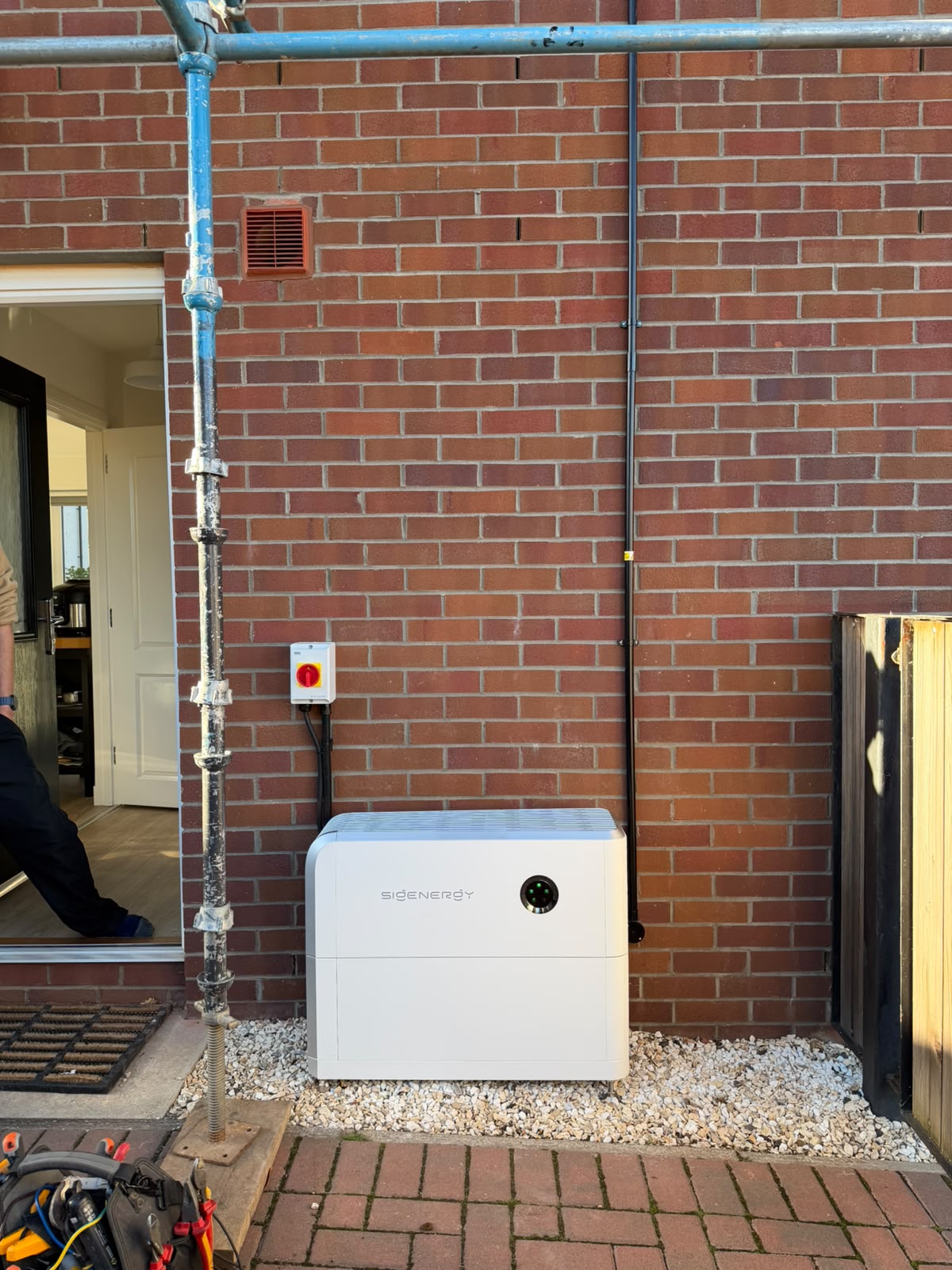
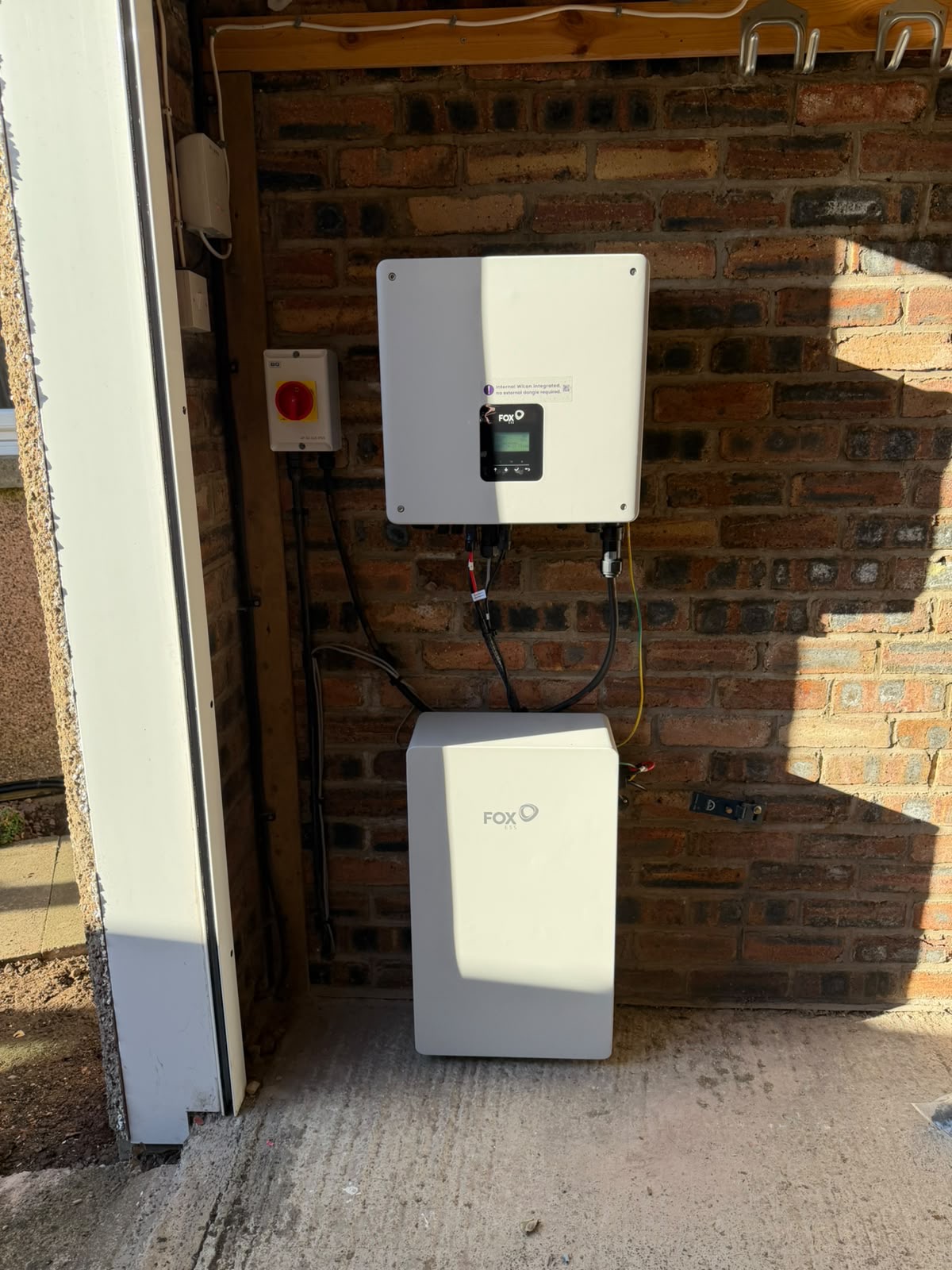
If your solar installation includes battery storage, heat affects the battery as well as the panels.
Most lithium-based home batteries have an optimal operating temperature range of 10°C to 35°C. Above this range, battery management systems reduce charge and discharge rates to protect the cells, which limits how much solar energy you can store on the hottest days.
Battery units installed in south-facing garages or poorly ventilated utility rooms can exceed this threshold on warm summer days. Home battery storage covers battery siting and performance in more detail, including what to look for when choosing a location for the unit.
How to Spot Heat-Related Losses in Your Monitoring Data
Your inverter’s monitoring app contains the data you need to identify whether heat is affecting your generation.
Look for a pattern where generation rises through the morning, peaks before midday, then dips noticeably during the hottest part of the afternoon before recovering in the early evening.
This bell curve with a midday flattening or dip is the characteristic signature of heat-related efficiency loss. It is distinct from cloud-related drops, which are sharp and irregular rather than smooth and predictable.
Comparing the same day’s generation profile across different seasons is also informative. A clear April day with an ambient temperature of 12°C will often show higher peak output than a clear July day at 22°C on the same system.
Why solar panel output varies day to day gives further context for interpreting what your monitoring data is telling you.
What Can You Do to Reduce Overheating Losses?
Ensure Adequate Roof Clearance
If your panels are mounted with insufficient clearance, a qualified installer can assess whether additional spacing is achievable.
Even a modest increase in the air gap behind panels can meaningfully reduce operating temperatures on hot days.
Keep Panels Clean
Soiling causes the panel surface to absorb more heat rather than convert incoming energy to electricity.
Clean panels run cooler than dirty ones and convert more light efficiently. Combining panel cleaning with your annual service visit is the most practical approach.
Choose Panels With a Low Temperature Coefficient
If you are installing a new system or replacing aging panels, specifying a panel with a temperature coefficient below -0.35%/°C is a straightforward way to reduce summer losses.
The generation advantage compounds over 25 years and becomes increasingly valuable as Edinburgh summers warm.
Consider Micro Inverters for Complex Roof Layouts
On rooftops with multiple orientations or shading from chimneys and dormers, micro inverters prevent shading-induced hotspots and contain any heat-related losses to the affected panel rather than dragging down the full string.
Monitor and Act Early
A pattern of consistent midday generation dips on hot clear days confirms heat-related losses. Identifying which panels run hottest allows you to target ventilation improvements or cleaning where they will have the most effect.
Conclusion
Solar panels do lose efficiency in Edinburgh summers, and the losses are more significant than most homeowners realise on the best generation days of the year. The practical steps that reduce overheating, good mounting clearance, clean panels, low temperature coefficient panel specification, and correct battery siting, are the same steps that improve overall system performance year-round.
Frequently Asked Questions
Do solar panels work better on cold sunny days?
Yes. Cold clear days keep panel temperatures close to the 25°C STC rating, which is the condition panels perform most efficiently at. A bright April day in Edinburgh often produces better peak output than a hot July afternoon for this reason.
At what temperature do solar panels lose efficiency?
Efficiency losses begin above 25°C panel temperature. Most UK crystalline silicon panels lose 0.35 to 0.45% of output for every degree above this threshold. Panel surface temperatures in direct summer sun typically run 20 to 30°C above ambient air temperature.
Can overheating damage my solar panels permanently?
Routine heat cycling in UK conditions does not cause acute damage. Sustained overheating combined with partial shading can cause hotspot formation, which can permanently damage individual cells. Annual inspection identifies early signs of hotspot damage before it progresses.
Should I worry about overheating in Edinburgh specifically?
Overheating is a smaller concern in Edinburgh than in southern Europe, but it is worth understanding rather than ignoring. Occasional summer heat events, particularly on poorly ventilated in-roof systems, can cause output losses of 10 to 15%on peak days.
Does cleaning panels help with overheating?
Yes. Clean panels convert more incoming light to electricity and absorb less heat as a result. Keeping panels clean is one of the simplest ways to reduce both soiling-related and heat-related output losses at the same time.
Will future Edinburgh summers make overheating a bigger problem?
According to UKCP18 climate projections, Scottish summers will continue to warm through the coming decades. For homeowners installing solar now with a 25-year horizon, specifying panels with a better temperature coefficient is a sensible investment that will pay off increasingly over the system’s lifetime.