The Scottish climate is undoubtedly unpredictable. One can experience cold winters, damp air, and the occasional warm spell all in one week. So it’s fair to ask: does a hybrid heat pump really work in Scotland?
If you are considering upgrading your heating system but aren’t sure whether to go all-electric or stick with your boiler, a hybrid heat pump system might sound like the perfect middle ground. But does it actually deliver results in Scottish conditions? Let’s find out:
What Is a Hybrid Heat Pump?
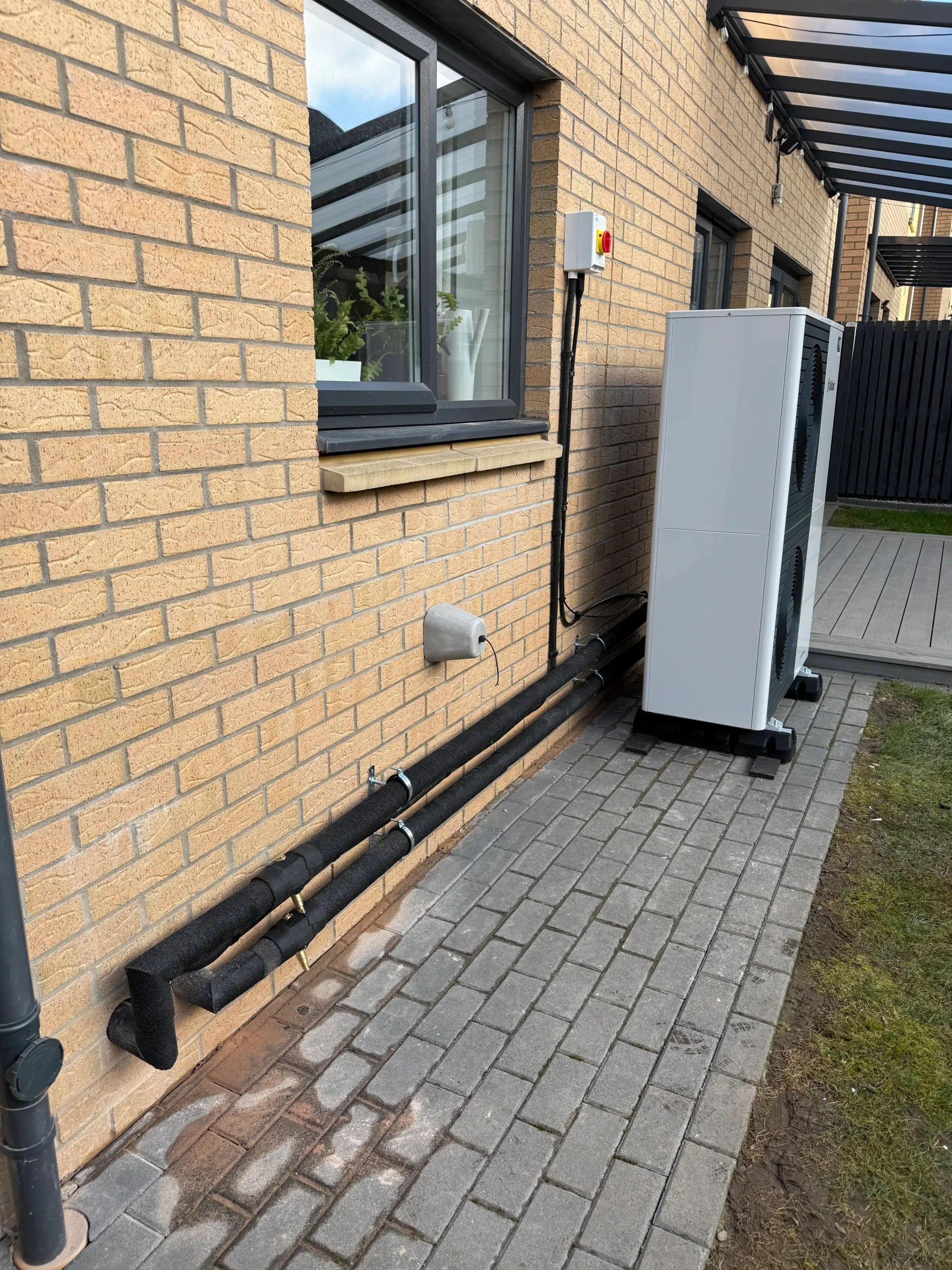
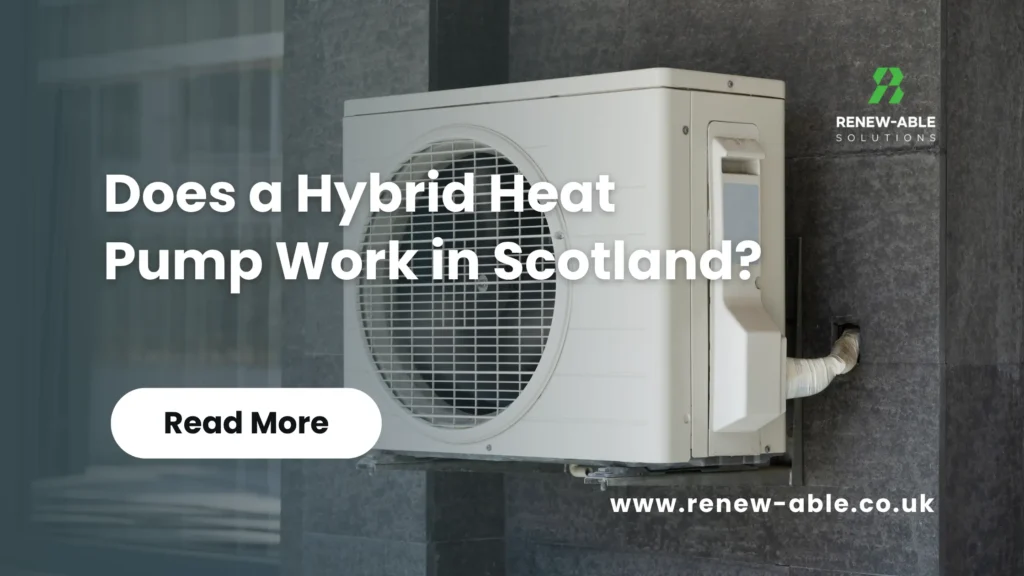
A hybrid heat pump has two heating technologies: an air source heat pump and a traditional boiler (gas, LPG, or oil). The system automatically decides which to use based on outdoor temperature and energy prices.
When it’s mild outside, the heat pump does most of the work, pulling renewable heat from the air. When it gets cold and the heat pump becomes less efficient, the boiler kicks in to provide extra warmth.
In short, it’s a smart, energy-efficient heating system to balance comfort, cost, and performance. This makes hybrid systems especially appealing for older or rural homes where a full heat pump installation in Scotland might require major upgrades like new radiators or insulation.
How Does a Hybrid Heat Pump Perform in Scotland’s Climate?
Scotland isn’t the easiest place for a standard air source heat pump to operate efficiently all year round. Winter temperatures are close to freezing, and old properties often lose heat quickly. At that time, a hybrid heating system works best.
When outside air is mild above 5°C, the heat pump runs efficiently, reducing your reliance on fossil fuels. On cold days, the boiler works alongside the pump to keep your home warm without driving up your electricity bills.
In most cases, the result is steady indoor comfort with lower emissions and running costs compared to a gas boiler alone. Click on Renew-able Solutions heat pump services for the easy installation and guidelines.
Pros and Cons of a Hybrid Heat Pump in Scotland
Advantages
- You won’t have to worry about your heat pump struggling in freezing conditions.
- When running in heat pump mode, you’ll use less gas or oil.
- Fewer upgrades are needed as you can often keep your existing radiators and pipework.
- By using renewable air energy most of the year, your emissions drop significantly.
- Ideal for homeowners who want to transition gradually toward low-carbon heating in Scotland.
Disadvantages
- Lower savings in very cold weather due to the boiler running more often, limiting efficiency gains.
- A hybrid heat pump installation costs between £7,500 and £11,000, depending on your system.
- You are maintaining two systems, that is, a boiler and a heat pump.
Is a Hybrid Heat Pump Right for Your Home?
A hybrid heat pump can absolutely work in Scotland, but it depends on your home and energy goals.
Start by looking at your insulation. If your home isn’t well insulated, the heat it produces will escape and make the system less efficient.
If you already have a modern boiler and radiator setup, a hybrid system lets you keep those and also add the benefits of renewable heating. It’s also a smart option for homes in cold or rural areas, where having a reliable backup during freezing spells is essential.
And if you’re planning to opt for fully renewable heating in the future, a hybrid setup can serve as a practical step. That said, if your home is already well-insulated and energy-efficient, a full air source heat pump might be the better long-term choice.
Costs, Grants, and Funding in Scotland
Until recently, homeowners could access government funding for hybrid heat pump installations through Home Energy Scotland. However, as of March 2025, hybrid systems are no longer eligible for new grants under that scheme.
That means if you’re considering one, it’s worth acting fast before current support ends.
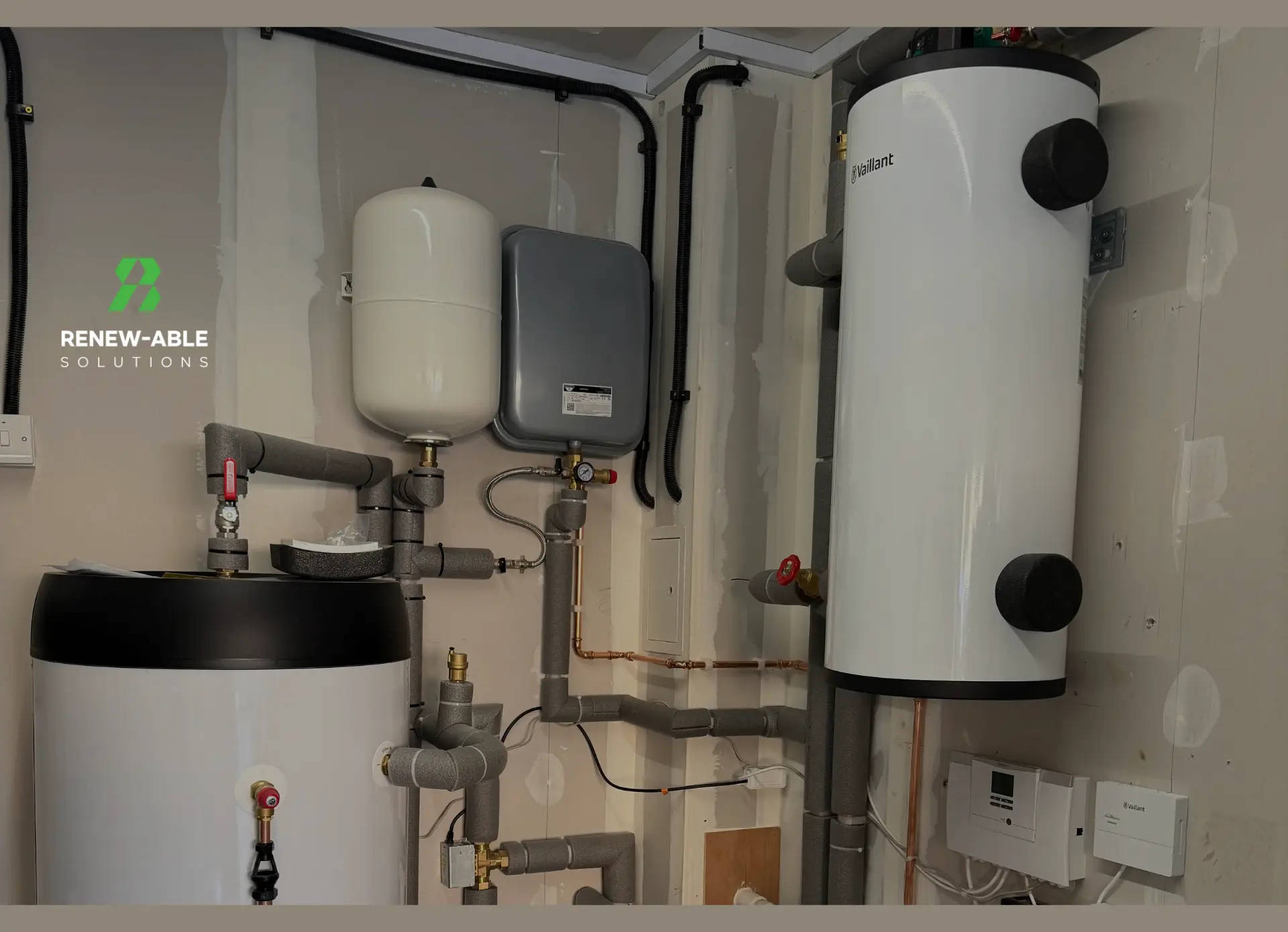
Typical installation costs in Scotland range from £7,500 to £11,000, depending on your boiler type, property size, and whether you need additional upgrades like insulation or a new hot water cylinder.
While hybrid systems won’t receive the same level of financial assistance as a standalone heat pump installation, but still offer significant long-term savings on gas, oil, or LPG.
Maintenance and Efficiency Tips
Like any heating system, hybrid setups work best when maintained regularly. To keep your hybrid heat pump system running smoothly:
- Book annual servicing for both the boiler and the heat pump.
- Keep the outdoor unit free of leaves, ice, and debris.
- Replace air filters every few months to maintain airflow.
- Monitor your energy use, as many hybrid systems include smart controls that help you track efficiency.
Final Thoughts
So, does a hybrid heat pump work in Scotland? Yes, and very well. It’s a flexible, practical solution for homeowners who want energy-efficient heating in Scotland without committing fully to an electric system.
If you are ready to explore whether a hybrid heat pump Scotland system makes sense for your home, start with a heat-loss survey and professional assessment. The right setup can make your house more comfortable, efficient, and future-ready.