
Renew-Able Solutions · Facts checked 7 September 2026
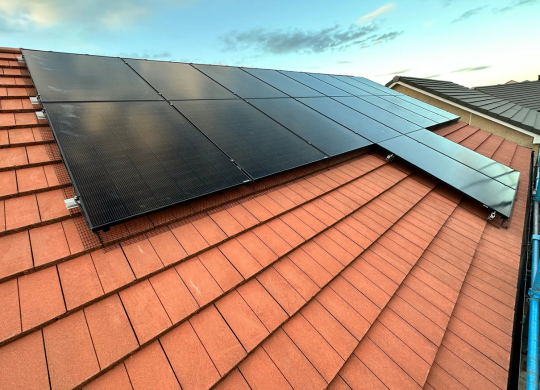
Header image: AI-generated illustration; not an actual customer installation.
Prefer a quick overview? View our 10-slide solar and battery VAT guide.
If solar panels or a home battery are already on your wish list, there is a clear financial reason to take the next step: the UK’s temporary 0% VAT rate for qualifying home installations is scheduled to end on 31 March 2027.
Under the current rules, the rate becomes 5% from 1 April 2027. For a qualifying installation priced at £10,000 before VAT, that means an extra £500, assuming the underlying price stays the same. HMRC states:
“From 1 April 2027 onwards these will revert to the reduced rate of VAT of 5%.”
That is the timetable set out in HMRC’s VAT Notice 708/6.
For homeowners who are ready to invest, starting the assessment and installation process now gives you time to make an informed decision while the zero-rate window remains open.
What could waiting cost?
The table below isolates the effect of the VAT change. These are illustrative installation values, not Renew-Able Solutions quotations or predictions of future prices.
| Qualifying price before VAT | Total at 0% VAT | Total at 5% VAT | Additional VAT |
|---|---|---|---|
| £5,000 | £5,000 | £5,250 | £250 |
| £8,000 | £8,000 | £8,400 | £400 |
| £10,000 | £10,000 | £10,500 | £500 |
| £15,000 | £15,000 | £15,750 | £750 |
Calculation: unchanged price before VAT × 5%. Each example assumes the entire amount qualifies and is subject to the rate shown.
On that basis, every £1,000 of qualifying installation cost attracts another £50 when the 5% rate applies. Equipment and labour prices may also change, so the VAT increase alone cannot establish what a future quotation will be.
Already have solar? Battery storage can qualify too.
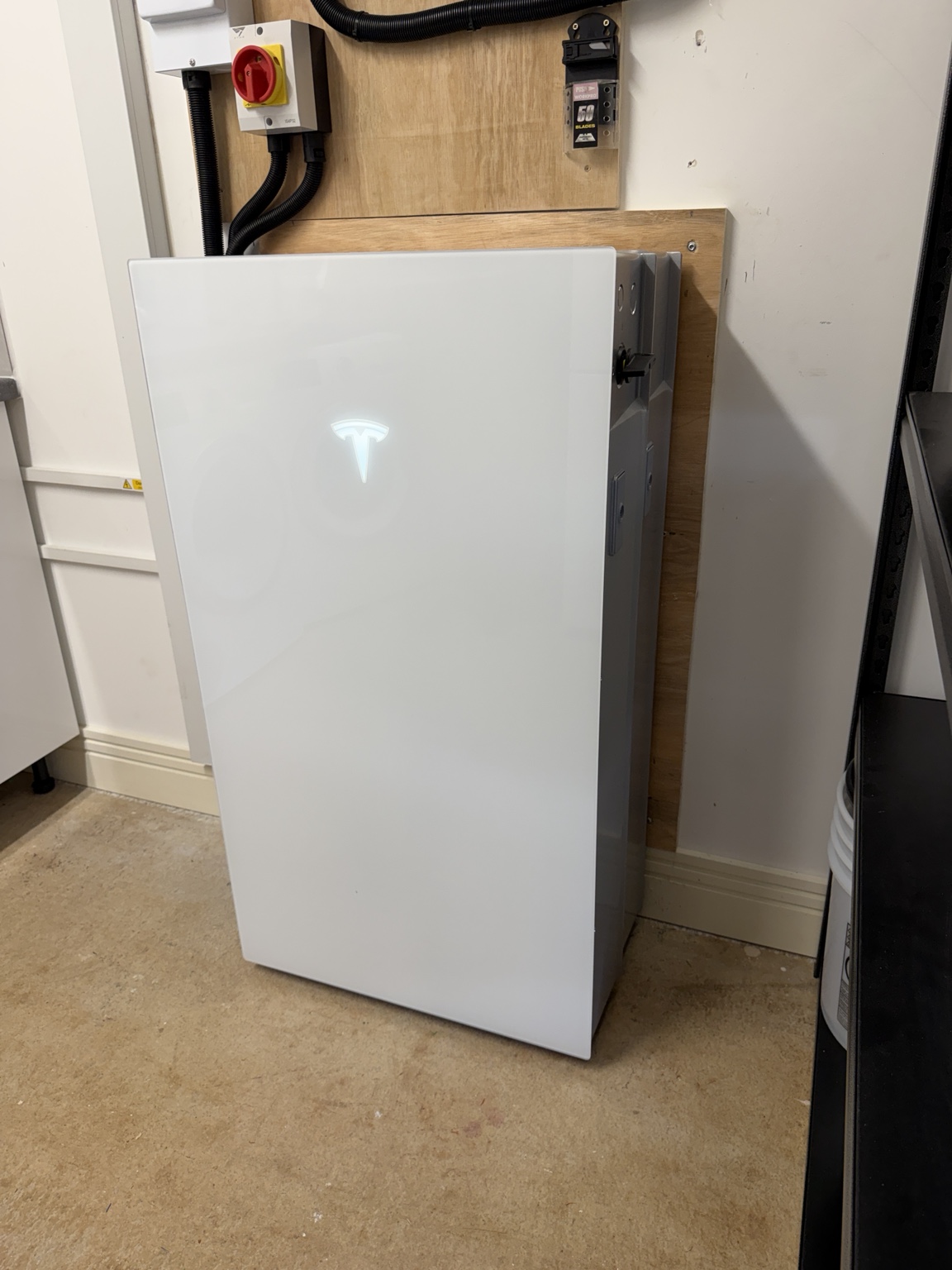
This opportunity is relevant to more than new solar installations. HMRC confirms that qualifying residential electrical battery installations include batteries added to existing solar systems, standalone batteries storing grid electricity, and batteries storing electricity from both sources. Batteries installed alongside qualifying solar panels can also form part of the eligible installation. See HMRC’s electrical storage battery guidance.
The relief covers qualifying installation work and goods supplied by the installer as part of that work. Buying equipment on its own does not receive the same relief. Your quotation should identify which elements qualify. HMRC explains the scope of the relief.
An earlier installation can bring the benefits forward.
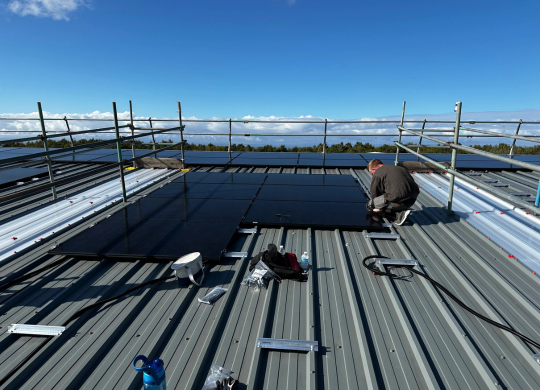
Solar panels generate electricity you can use at home, reducing the amount you need to buy. They also work on cloudy days, although output varies with sunlight, roof direction and shading. Bringing a suitable installation forward gives you the opportunity to use that electricity sooner. Energy Saving Trust’s solar guidance explains these benefits and the factors affecting performance.
A battery can store surplus solar electricity for later, or charge using cheaper electricity on a suitable time-of-use tariff. The financial benefit depends on your consumption, tariffs, storage losses and system cost; a battery is not automatically economical for every household. Energy Saving Trust’s battery guidance sets out these considerations.
Ask for a forecast based on your own property and energy use, with the assumptions clearly shown.
Leave time for the work that comes before installation.
A well-planned project needs an assessment, system design and an agreed installation schedule. Planning restrictions may need checking, and solar installations must be registered with the electricity distribution network operator. Energy Saving Trust explains the permission and registration requirements.
Starting now leaves more room to resolve those details and compare quotations before the VAT change.
Does booking before April guarantee 0% VAT?
Booking or accepting a quotation alone does not secure the VAT rate for the whole job. VAT depends on the relevant “tax point”, which can be affected by completion, VAT invoices and payments. An advance payment normally creates a tax point for the amount paid, rather than automatically fixing the rate on the remaining balance. Ask your installer to confirm the treatment of your payment and installation schedule in writing. HMRC’s VAT Guide, sections 14 and 30, explains the rules.
Take the next step while the zero-rate window is open.
If solar panels or battery storage suit your home and budget, now is a sensible time to arrange an assessment. You can establish the likely benefits, understand the full cost and agree a realistic timetable ahead of the scheduled VAT change.
Renew-Able Solutions serves Edinburgh, East Lothian and wider Central and East Scotland. Request your free home energy assessment, call 0131 210 0405, or email hello@renew-able.co.uk to discuss your options.
Request your free home energy assessment
Based on rules and guidance checked on 7 September 2026. The government could change the policy before April 2027. Eligibility and the applicable VAT rate depend on the particular supply and its timing.