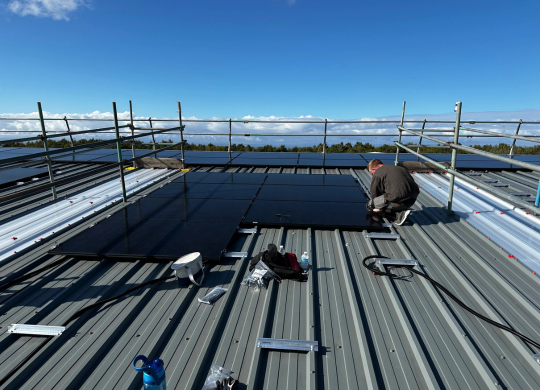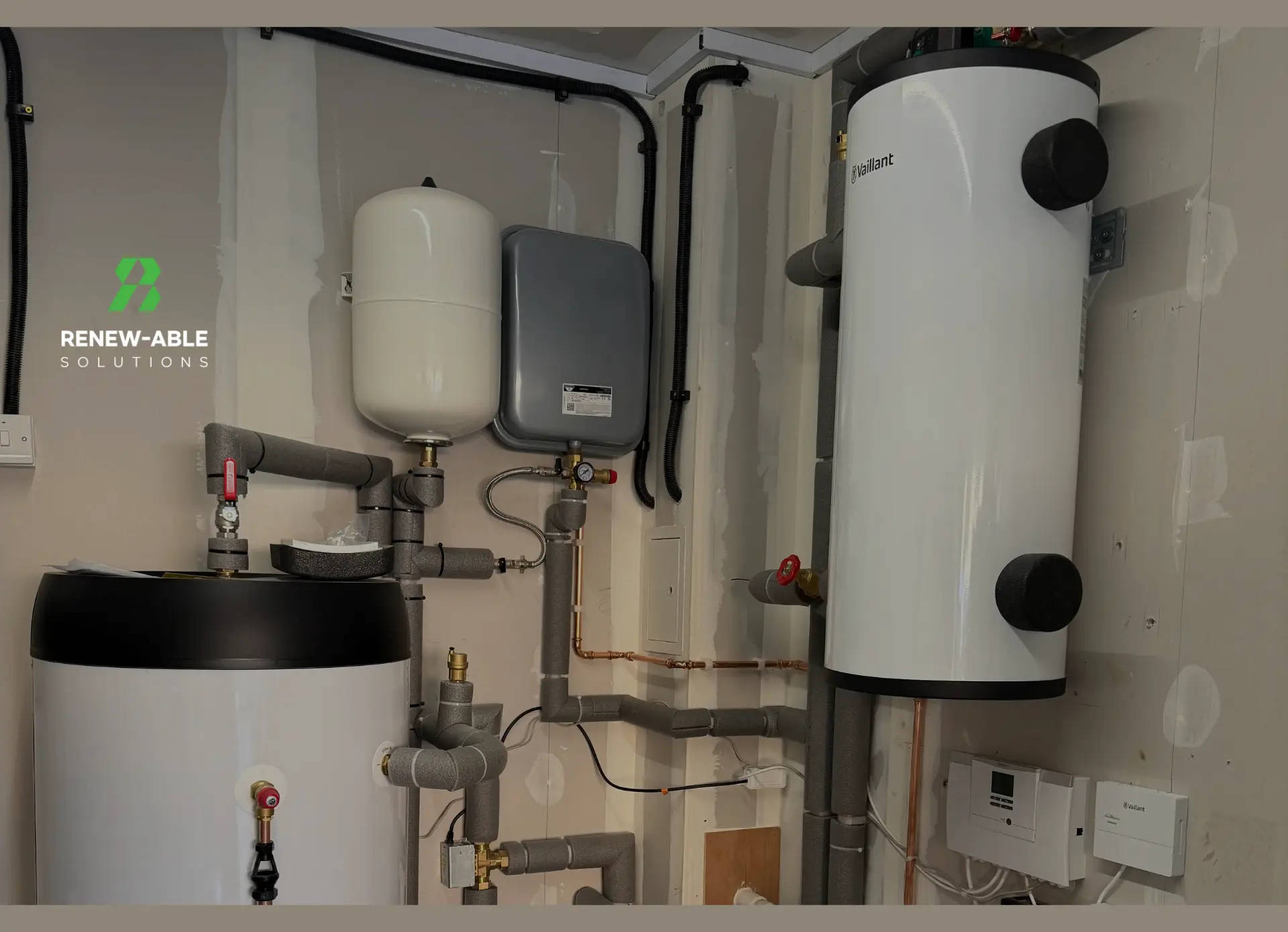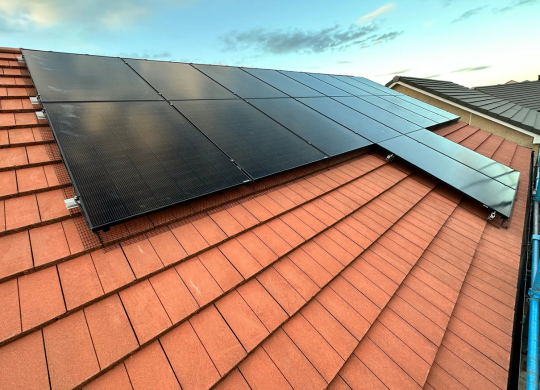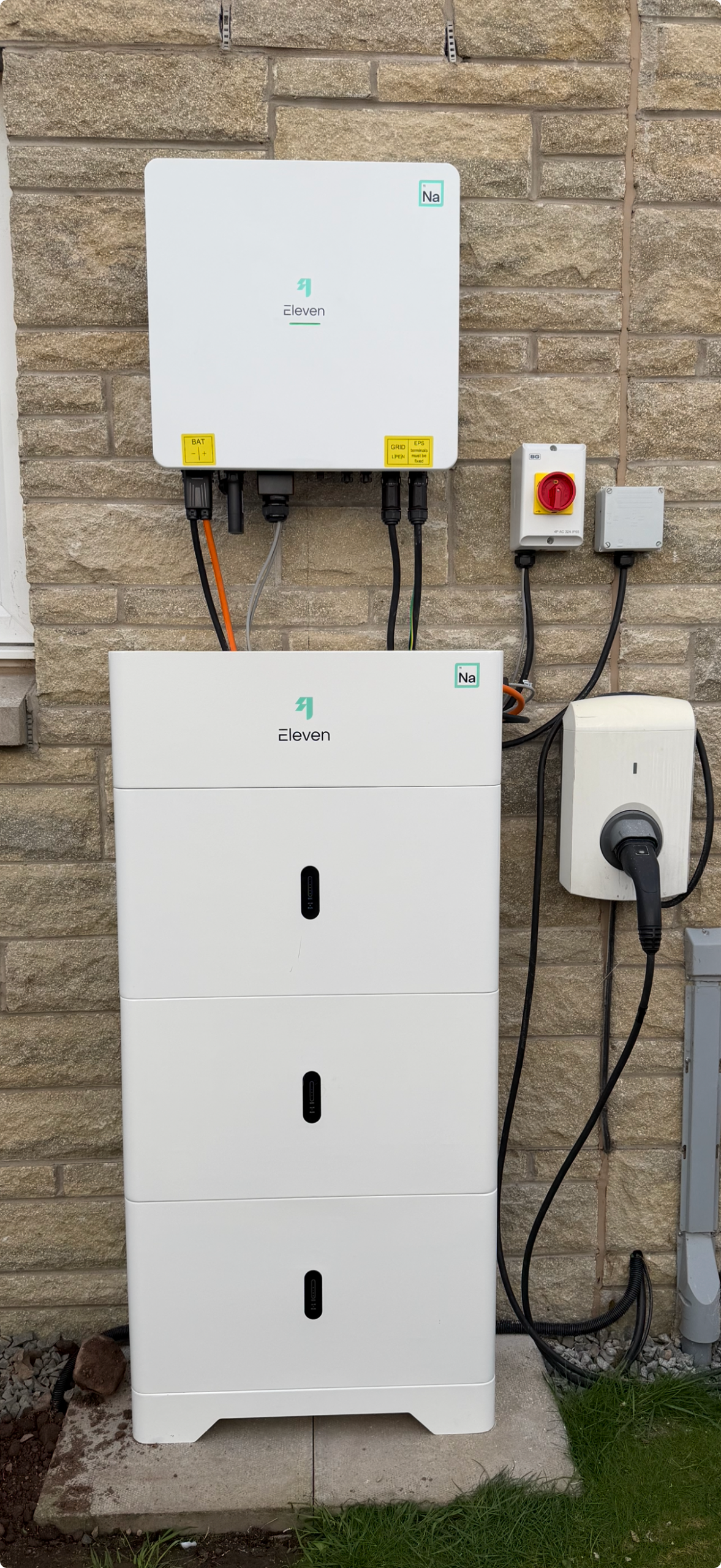
Solar carports in Scotland can turn business parking areas into electricity-generating space. A solar carport places photovoltaic panels on a purpose-built canopy above parking spaces. It can generate electricity, provide some weather protection and create a natural location for EV charging, but it is a civil, structural and electrical project rather than simply a rooftop array moved over a car park.
Which businesses may consider a solar carport?
- offices and business parks;
- hotels and visitor attractions;
- retail and leisure sites;
- schools and public buildings;
- fleet depots; and
- sites with limited suitable roof area.
When do solar carports make sense?
A carport deserves investigation where the car park has useful solar exposure, the site has daytime electricity demand, parking can be reorganised safely and the business values EV charging or covered spaces.
Why solar carports cost more than rooftop solar
The project includes a structural canopy, foundations, drainage, vehicle protection, lighting or EV infrastructure, barriers, civil works and longer cable routes. Ground conditions and buried services can materially affect design and price.
Planning permission in Scotland
Scotland has specific non-domestic permitted development guidance for solar canopies and related equipment in qualifying parking areas, subject to conditions and exclusions. It does not provide automatic permission for every site. Designated areas, heritage assets, siting, dimensions and proposed use require checking with current guidance and the planning authority.
Car park and accessibility design
The proposal must protect accessible bays, pedestrian routes, emergency access, turning space, delivery movements and visibility. Columns, barriers and charging equipment should not create new hazards.
Solar carports and EV charging
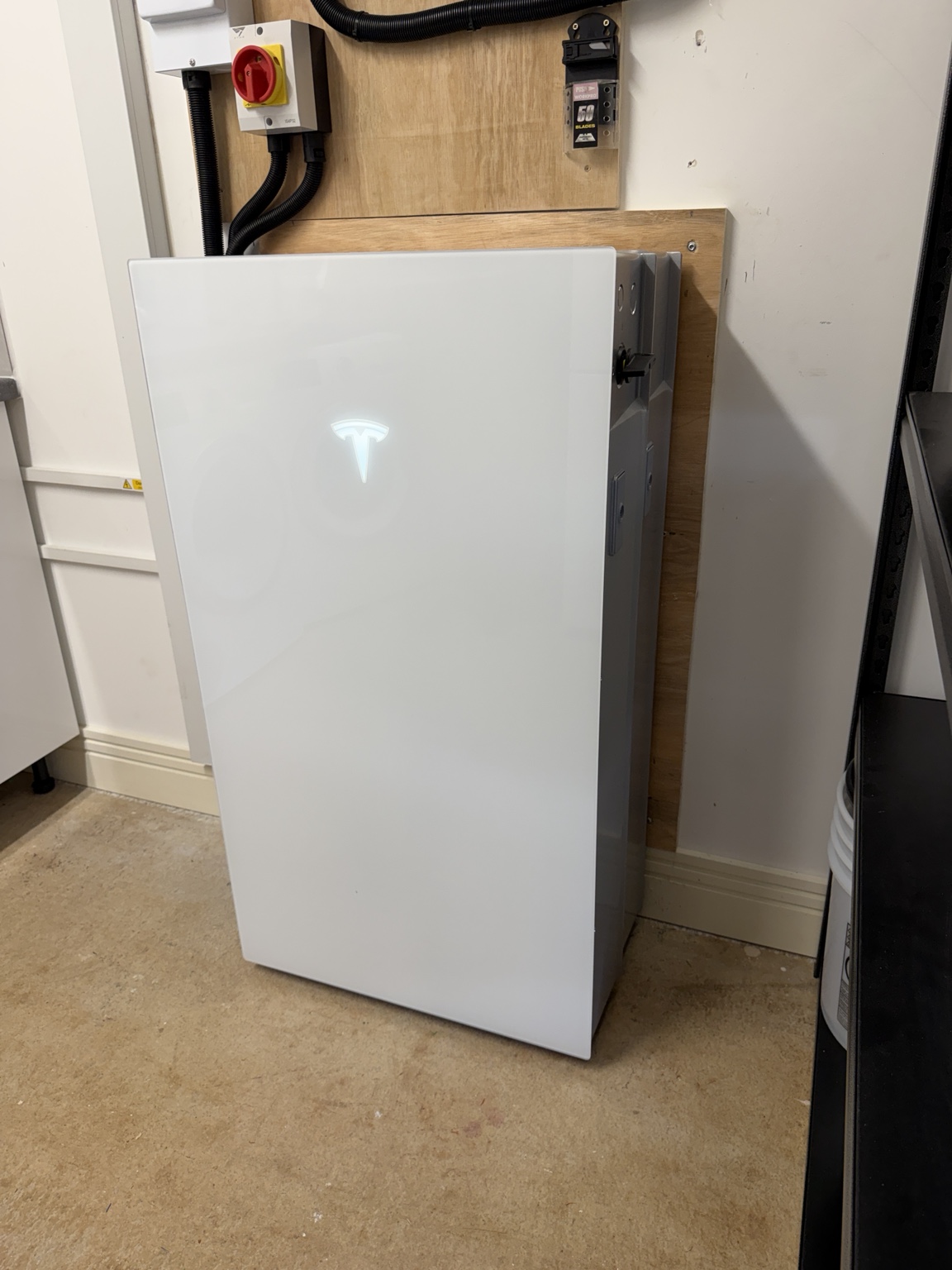
Solar can contribute to EV charging, but vehicles will not always be present when generation peaks. Load management, charging power, dwell time, tariffs, site demand and grid capacity need assessment. A battery may be considered but is not automatically required.
Grid and electrical considerations
The designer should review the incoming supply, distribution equipment, cable routes, earthing, protection, generation connection and EV load. The applicable DNO process depends on the complete scheme.
Construction and disruption
Surveys, trial pits, foundations, lifting and temporary parking closures need a phased plan. Public-facing sites may need work outside peak periods.
Information for feasibility
Provide a site plan, parking layout, electricity data, EV plans, land ownership, known buried services and operating constraints. A desktop review can identify whether detailed structural, ground and planning work is justified.
Ask Renew-Able Solutions to review a potential commercial solar carport site in Scotland.