A useful solar generation estimate explains how much electricity your particular roof could produce, how much your household might use and what assumptions support the figures. When comparing solar quotes in Edinburgh, start with these three questions before comparing the headline saving.
Two proposals can contain the same number of panels yet produce different forecasts. Roof layout, shading and household routines all matter. This guide helps you read the estimate alongside the equipment list, so you can choose a system with a clear understanding of what it is designed to do.
Start by separating kWp, kW and kWh
The panel array rating, usually written as kWp, describes its rated output under standard test conditions. Inverter capacity in kW describes a power limit. Annual generation in kWh describes energy produced over a year. They answer different questions: a larger panel rating is not a promise of that output throughout the day.
For example, an illustrative 4 kWp array forecast to generate 3,200 kWh in a year has a specific yield of 800 kWh per installed kWp. That calculation helps compare assumptions between proposals; it is not a generation forecast for every Edinburgh roof.
Check what the forecast knows about your roof
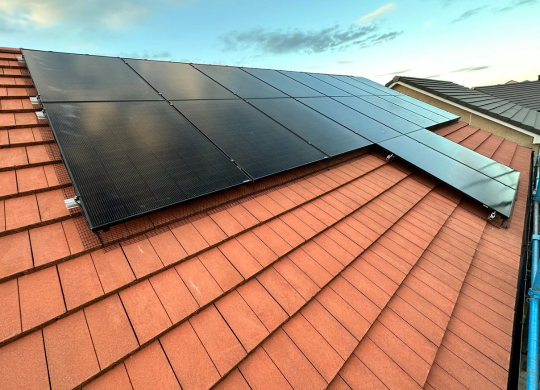
Ask which roof faces are included, how their direction and pitch were assessed, and how nearby obstructions were represented. A chimney can cast a moving shadow; a neighbouring building may shade one section for longer. A clear aerial view is useful, but the survey needs to resolve uncertainties that could change the design.
For an Edinburgh property with several roof sections, ask for the proposed panel layout rather than accepting one address-wide figure. Our guides to solar panel shading and south-facing versus east-west arrays explain why the layout deserves attention.
Use the same comparison questions for every quote
- Generation: What annual kWh figure is forecast, and which calculation method and weather dataset were used?
- Roof assumptions: Are direction, pitch, usable area and shading confirmed or provisional?
- Equipment: Are the panel count, panel rating and inverter model stated?
- Losses and limits: How are system losses and any export restriction represented?
- Household use: What consumption pattern and annual electricity demand were assumed?
- Money: Which import and export rates were used, and are maintenance or replacement allowances included?
Generation is different from electricity you use at home
Suppose two households each have an illustrative annual solar yield of 3,200 kWh. One uses 1,400 kWh directly and exports the remainder. The other uses 2,000 kWh directly. Their panels produce the same annual energy, but their bill reductions can differ because electricity used in the home and electricity exported have different values.
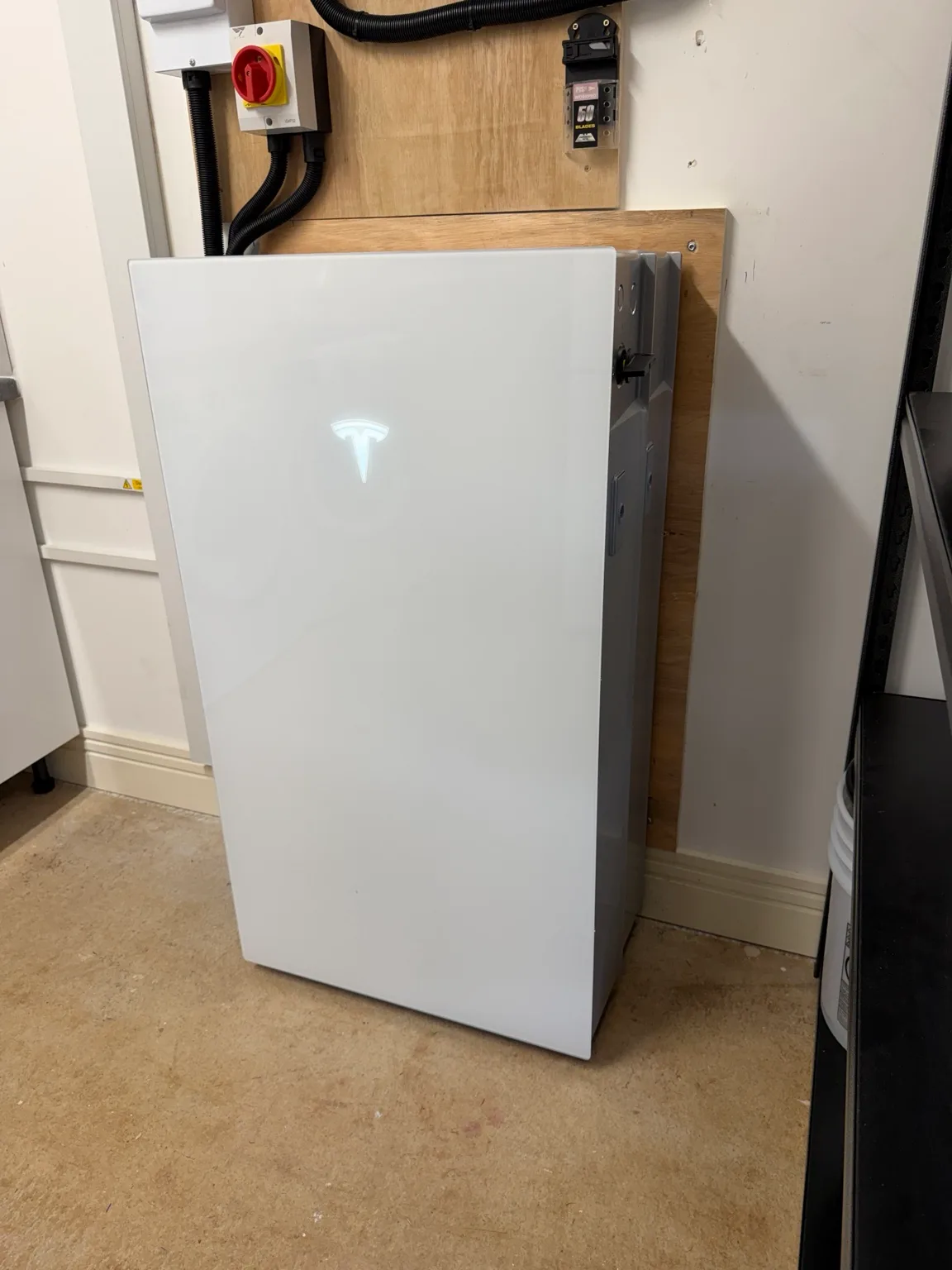
A battery adds another set of assumptions: usable capacity, charge and discharge power, losses, operating schedule and available surplus. Ask for the solar-only calculation alongside the solar-and-battery calculation. This makes the additional benefit easier to assess without assigning the same unit of electricity two different savings.
Energy Saving Trust explains the basic choices between using, storing and exporting solar electricity. Your proposal should translate those choices into assumptions that fit your household.
Look beyond one annual total
A yearly figure can hide the difference between a bright summer afternoon and a short winter day. Ask for a monthly breakdown if the proposal relies on solar to support an EV, heat pump or other large load. Then compare it with when that equipment actually runs.
A useful scenario is a household whose car is away on weekdays. Weekend solar charging may still be practical, but a forecast should not assume the car absorbs surplus every lunchtime. Equally, plans to work from home or change heating should be disclosed before the system is sized.
Questions homeowners often ask
Is the highest generation estimate the best quote?
Only if the design and assumptions justify it. Ask installers to explain differences on the same roof. A more cautious forecast may be easier to budget around than an optimistic figure whose shading or consumption assumptions are unclear.
Does an estimate guarantee my first-year output?
No. A forecast is not automatically a contractual guarantee. Weather varies, and actual performance also depends on installation, operation and equipment condition. Any specific guarantee needs its own written terms.
Can I compare quotes without half-hourly electricity data?
Yes, but give the installer your annual electricity use and a realistic account of occupancy, heating and vehicle charging. Record where assumptions were necessary so the estimate can be refined.
Get a solar proposal you can understand
Renew-Able Solutions provides solar PV installation in Edinburgh and East Lothian. To start a useful conversation, send your postcode, approximate annual electricity use and any planned EV or heating changes. Request a solar assessment and ask for the proposed layout, generation estimate and savings assumptions together.
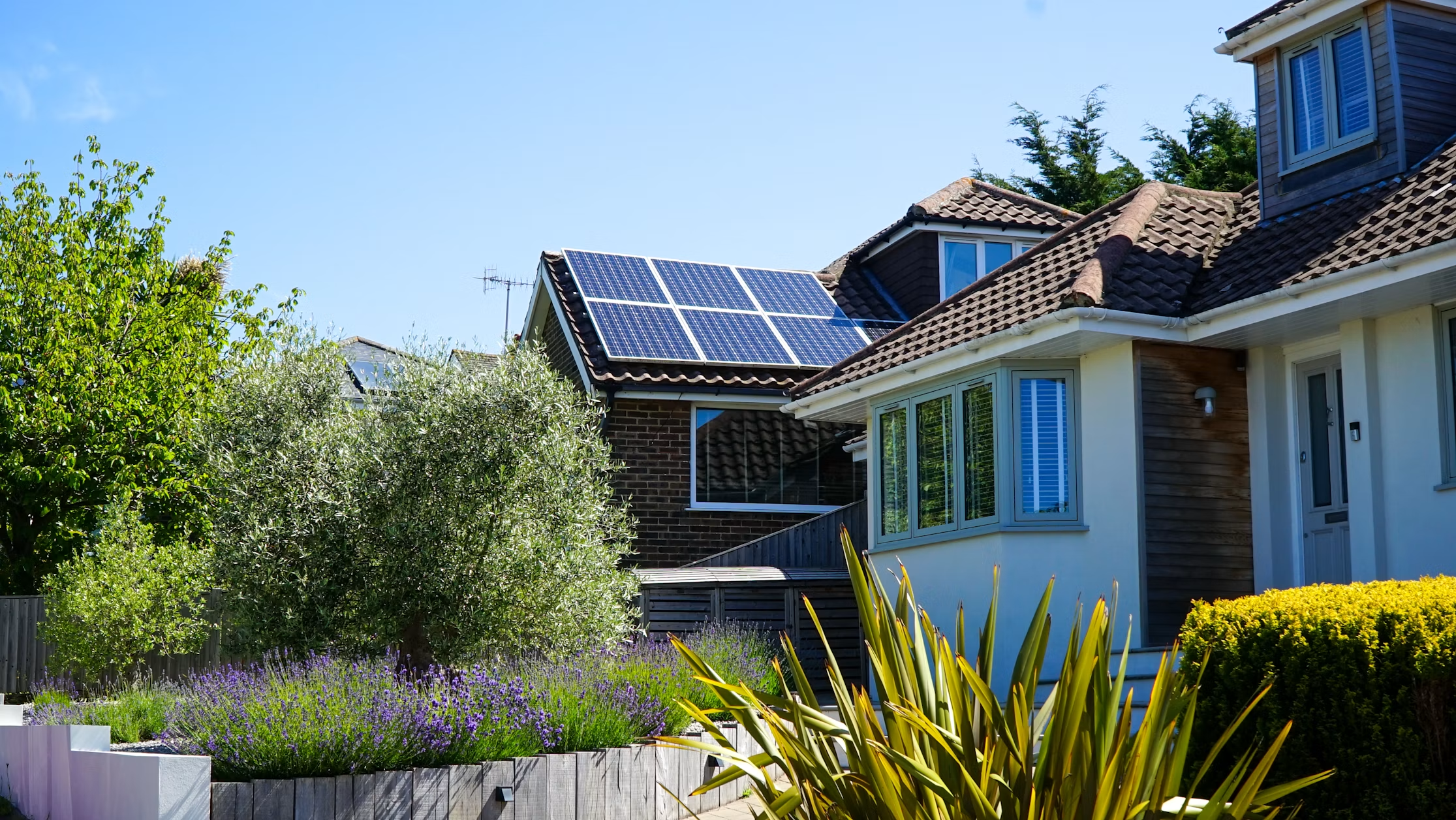
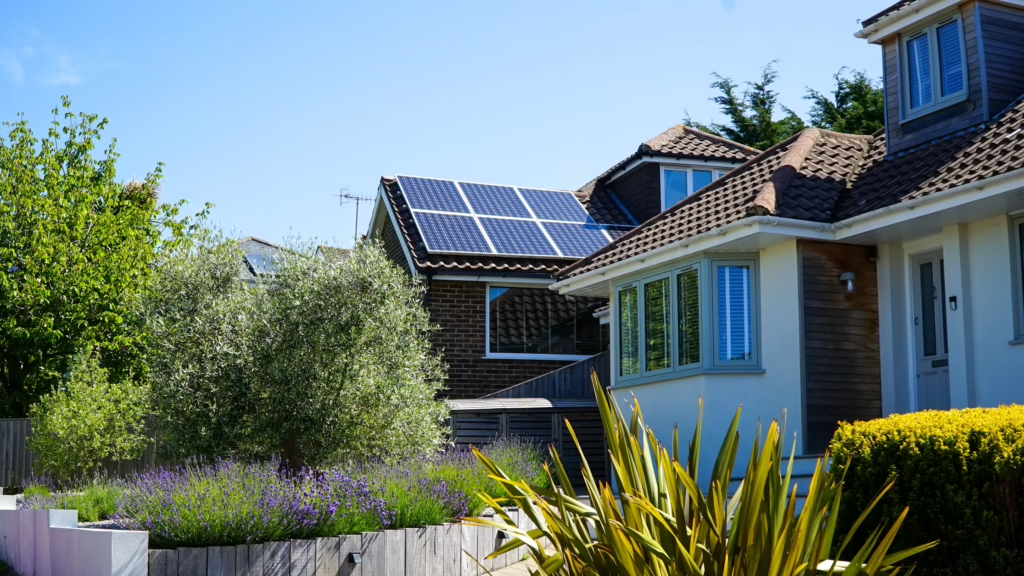
Featured image: illustrative stock photograph by Watt A Lot on Unsplash. Not a Renew-Able Solutions installation.