
Your first heat pump winter bill arrives, and the electricity total is much higher than it was in summer. It is natural to wonder whether the system is working properly. Yet the bill alone cannot answer that question.
Separate three things: how much heat the home needs, how much electricity the system uses and what each unit costs. Weather, controls and tariff changes can affect different parts of that picture.
For Edinburgh and East Lothian households, a useful review begins with comparable dates and readings. It should end with a clear action, rather than a guess based on one cold day.
Want advice for your home? Call 0131 210 0405 or send an enquiry to Renew-Able Solutions.
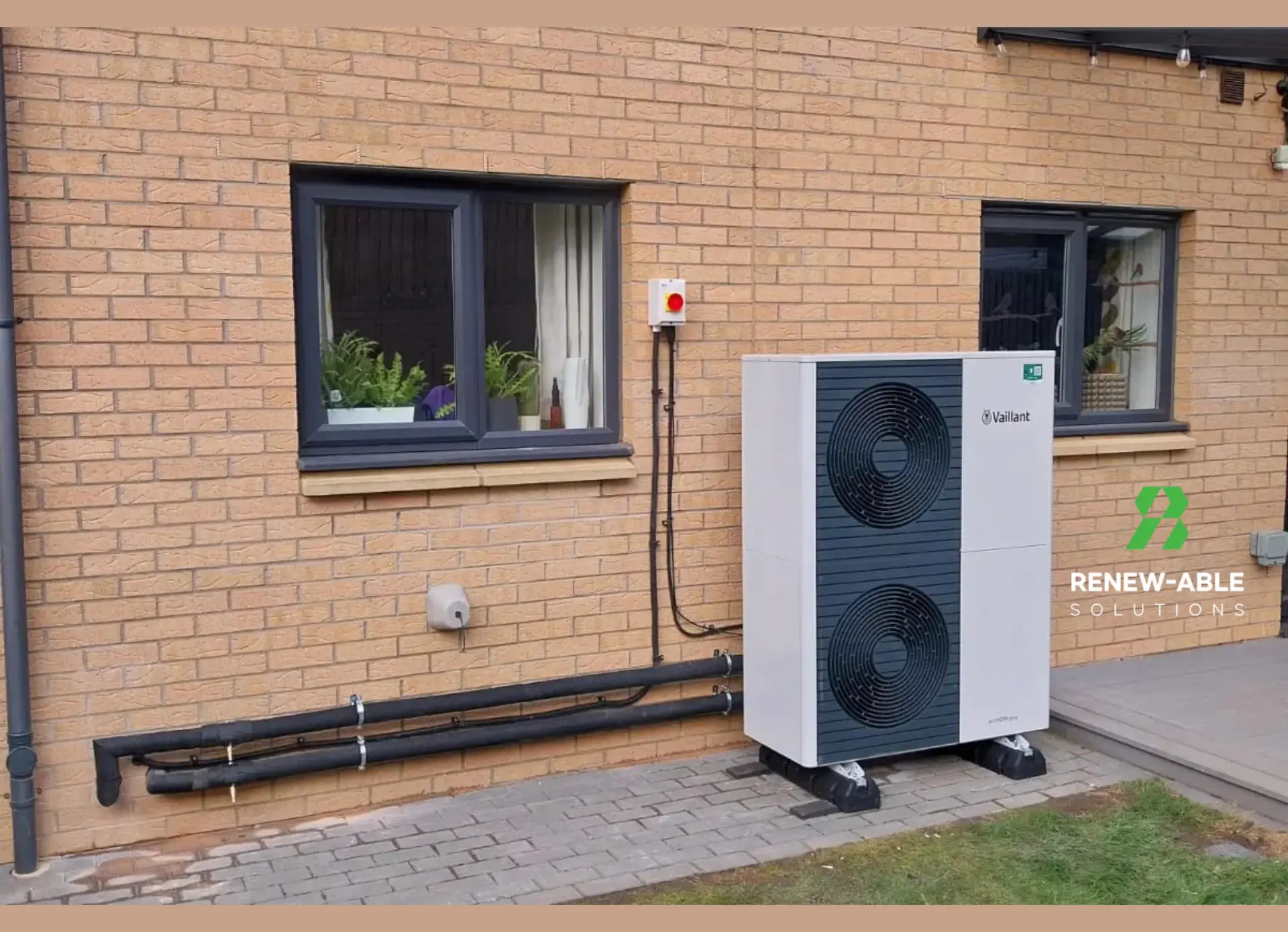
Start your heat pump winter bill review with actual readings
Confirm the billing dates and whether the supplier used actual or estimated readings. A catch-up bill can look like a sudden performance problem even when the energy was used over an earlier period.
Next, check the number of days. A five-week bill should not be compared directly with a four-week bill. Compare kWh per day as an initial check, while remembering that weather and occupancy may also differ.
If you replaced gas or oil heating, compare the whole heating budget. Electricity now includes energy that previously appeared on another fuel bill. Standing charges and any remaining gas use should stay visible in the comparison.
Heat pump winter bill: separate price from energy use
Suppose the heat pump uses 600 kWh during a month. At an illustrative flat rate of 30p per kWh, that electricity costs £180. At 24p, the same consumption costs £144.
The £36 difference comes from price, not improved heat-pump efficiency. Conversely, a higher bill after a tariff change does not prove that the equipment used more energy.
For a time-of-use tariff, calculate the cost of electricity in each period. A simple average of the advertised rates can be misleading because usage is not evenly spread across the day.
Keep a useful log alongside your heat pump winter bill
| Record | Why it helps |
|---|---|
| Dates and outdoor conditions | Cold spells increase heating demand. |
| Heat-pump electricity, if separately measured | It separates heating from EVs and other household loads. |
| Indoor comfort and target temperatures | Lower consumption is not useful if rooms are too cold. |
| Hot-water use and boost activity | Visitors and immersion use can change demand. |
| Tariff and control changes | They identify what changed before the bill increased. |
A week or two of consistent notes can be more useful than many screenshots without dates. However, do not wait to report a fault code, loss of heating or a safety concern.
Understand what the efficiency figure includes
Coefficient of performance, or COP, compares useful heat output with electricity input over a defined period. Seasonal performance covers a longer period and changing conditions.
If your app shows an efficiency number, ask whether it uses measured or estimated heat and which electrical loads it includes. Compare like with like. An app estimate and a properly metered whole-system figure may have different boundaries.
Colder outdoor air and higher required water temperatures can affect performance. Hot-water production can also behave differently from space heating. One brief reading is not a reliable seasonal verdict.
Review controls before making large changes
Check that schedules and target temperatures match the agreed handover settings. Ask about weather compensation, which adjusts heating water temperature as outdoor conditions change.
Aggressive shutdowns followed by rapid reheating may not suit the home or design. Equally, leaving an unintended boost active can add consumption. Make controlled changes with the installer’s guidance and note what changed.
Octopus’s heat-pump scheduling guidance explains how schedules can support comfort and tariff use. Apply guidance to your own equipment rather than copying another household’s settings.
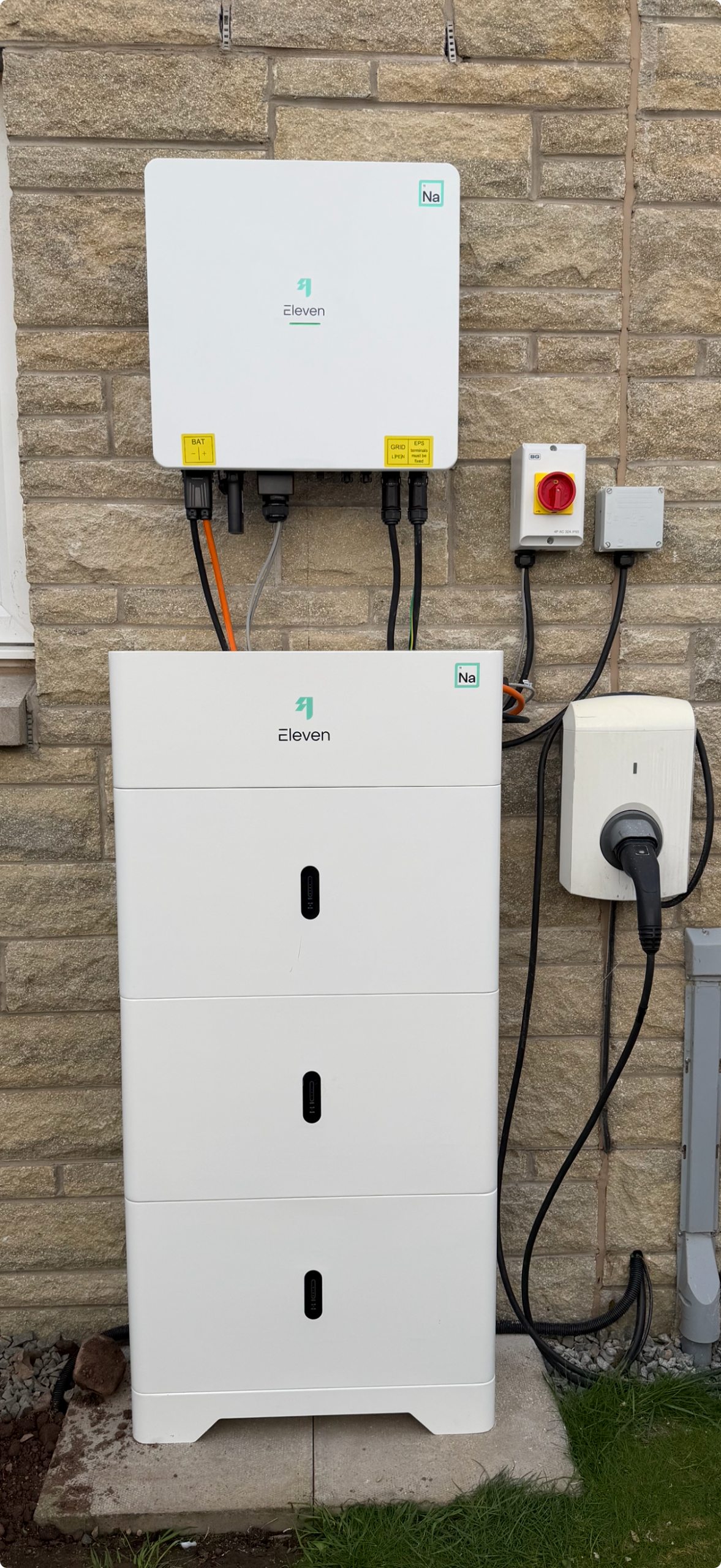
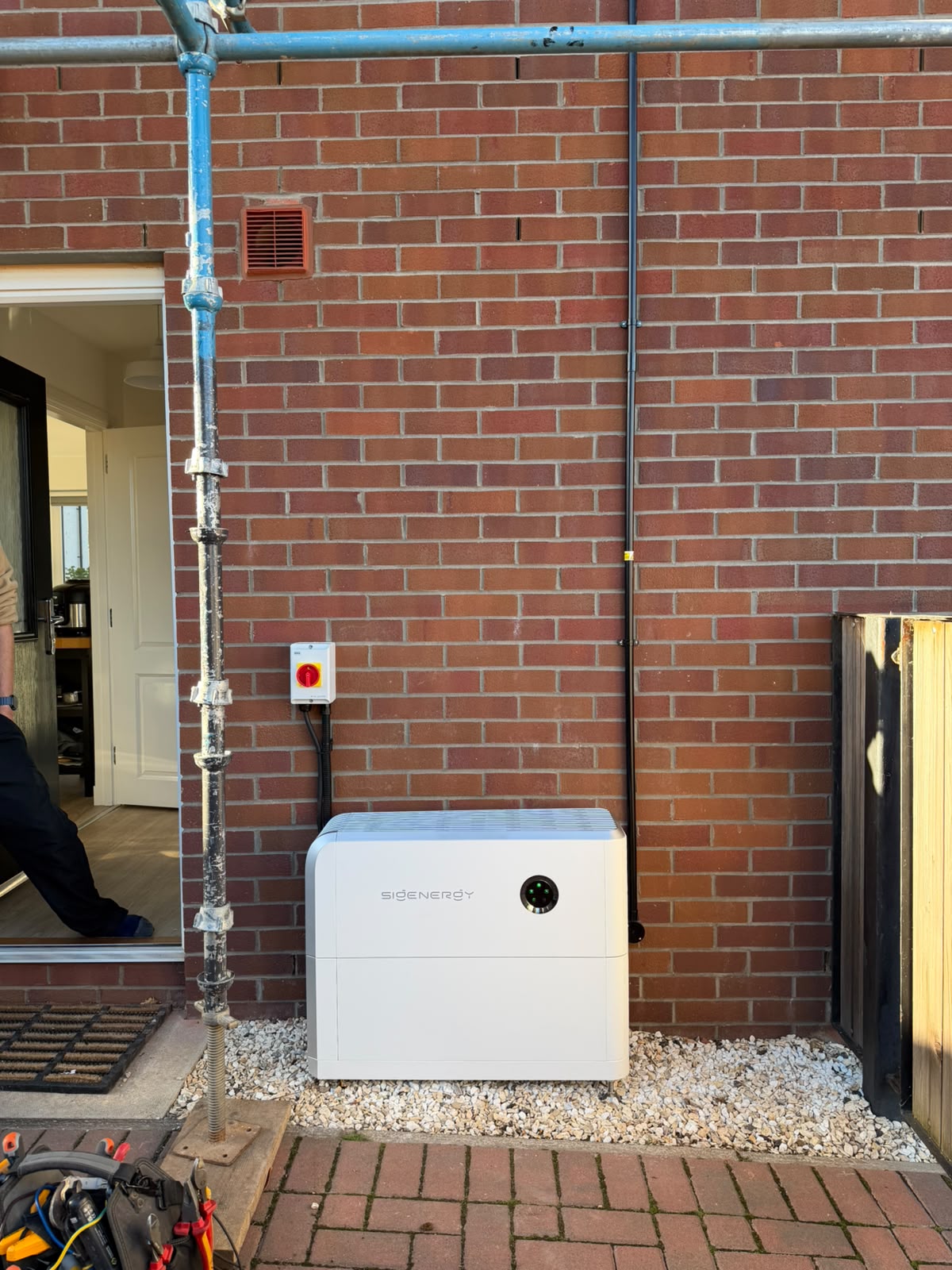
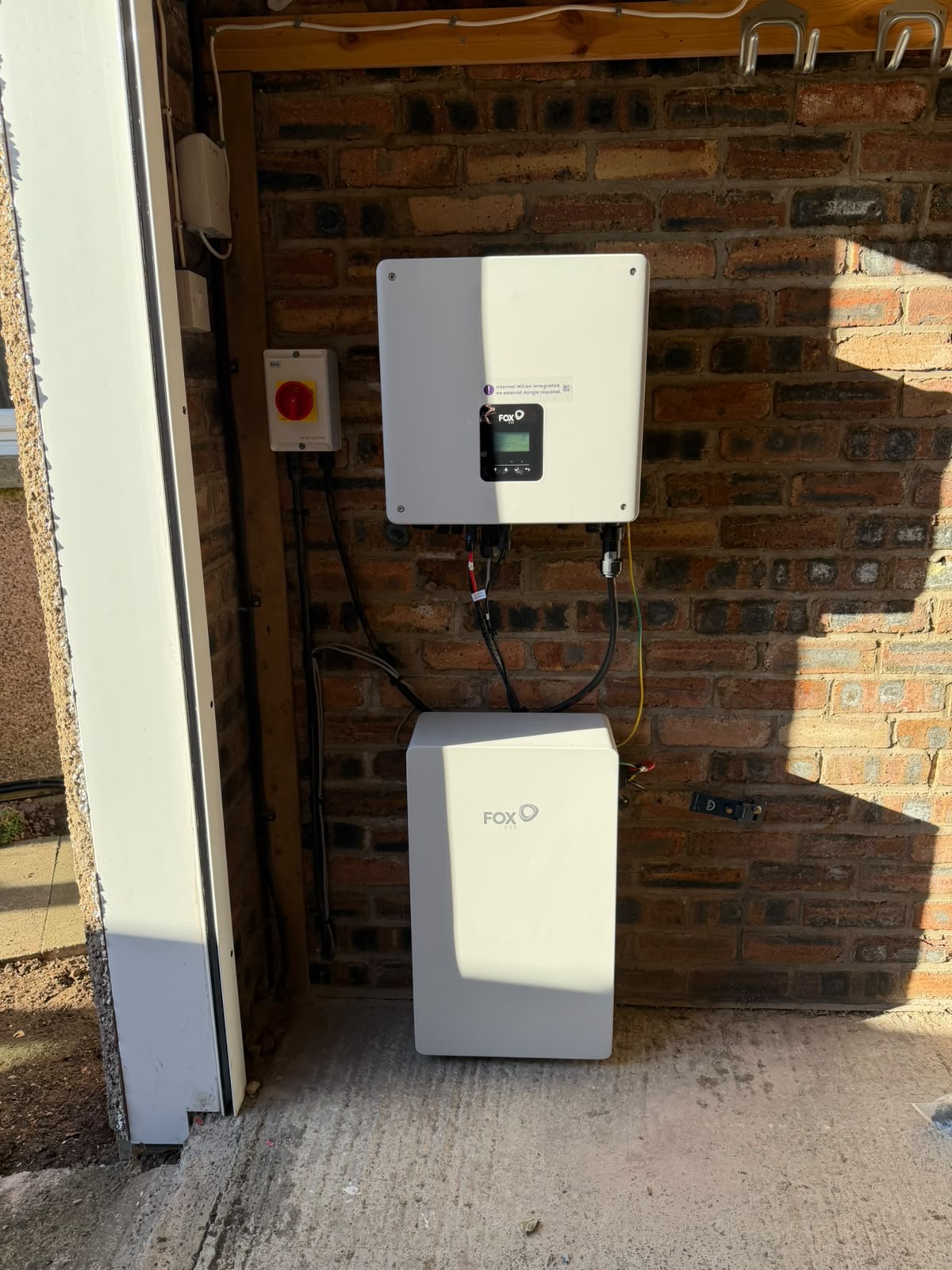
Where do solar and a battery fit?
Winter solar can contribute, but shorter days limit its ability to meet heating demand. A battery may shift cheaper grid electricity into expensive periods if the tariff and system allow it.
However, a battery does not reduce the building’s heat loss or repair an inefficient heating design. Include storage losses and the battery’s power limit when estimating the benefit. A large heat load can empty storage faster than expected.
Our winter energy-bill guide sets out the wider order of improvements. For building-related questions, see heat pumps in older Scottish homes.
When should you request a professional review?
Arrange support if rooms consistently fail to reach the intended temperature, error messages recur or consumption changes sharply without an obvious explanation. Unexpected backup-heater use also deserves investigation.
Share the log, system model and any recent changes. This helps distinguish a tariff issue, a controls adjustment and a problem that needs a site visit.
For ongoing care, our heat-pump servicing service provides the next route. The aim is evidence-led improvement while keeping the home comfortable.
Talk through your next step
If your bills or comfort concern you, send the system model, dates, electricity readings and any displayed fault message. We can discuss a service or performance review.
Explore our heat-pump service, call 0131 210 0405 or submit an enquiry. Renew-Able Solutions serves Edinburgh, East Lothian and surrounding areas; tell us your postcode so we can confirm suitability and coverage.
Technical sources and examples checked on 3 October 2026. Illustrative figures are not quotations or guaranteed savings.