
The best way to reduce winter energy bills in an Edinburgh home is to cut heat loss first, use heating controls correctly, and then optimise any solar panels, battery storage or heat pump already installed. The right order depends on the property, its construction, current heating system and household routine.
That matters across Edinburgh and East Lothian, where homes range from traditional stone tenements and listed buildings to modern estates. A measure that works well in one property may be unsuitable in another, so use your bills, monitoring data and a property-specific assessment rather than generic savings claims.
Start With Heat Loss
Heating and hot water account for more than half of a typical Scottish household’s energy bill, according to Energy Saving Trust. Keeping warmth inside therefore gives heating equipment less work to do.
Check draughts without blocking ventilation
Look for unwanted gaps around windows, external doors, suspended floors and service penetrations. Draught proofing can improve comfort and reduce heating demand, but permanent vents, air bricks and ventilation required for combustion or indoor air quality must remain clear.
Review insulation in the right order
Check the loft, roof, walls and floors rather than assuming one standard measure is suitable. Energy Saving Trust estimates that an uninsulated home can lose about 25% of its heat through the roof, but actual heat loss and installation cost vary by property.
Traditional stone buildings need particular care. Insulation, airtightness and ventilation should be considered together so moisture can be managed correctly. Flats, listed buildings and properties in conservation areas may also need consent from the owner, factor or planning authority. Historic Environment Scotland provides guidance for traditional buildings.
Use Heating Controls for the Home You Have
Set heating times and temperatures around occupancy, comfort and the way your system operates. Avoid universal instructions for boiler pressure, cylinder temperature or heat-pump schedules: the correct settings depend on the appliance, system design and manufacturer guidance.
- Use thermostatic radiator valves or zoning where the system supports them, while keeping enough heat in rooms vulnerable to damp.
- Check that radiators heat evenly and report leaks, persistent cold spots, pressure loss or error codes to a qualified engineer.
- Insulate accessible hot-water pipes and the cylinder where appropriate.
- Arrange servicing in line with the appliance manufacturer’s requirements rather than waiting for a winter breakdown.
Make Better Use of Winter Solar Generation
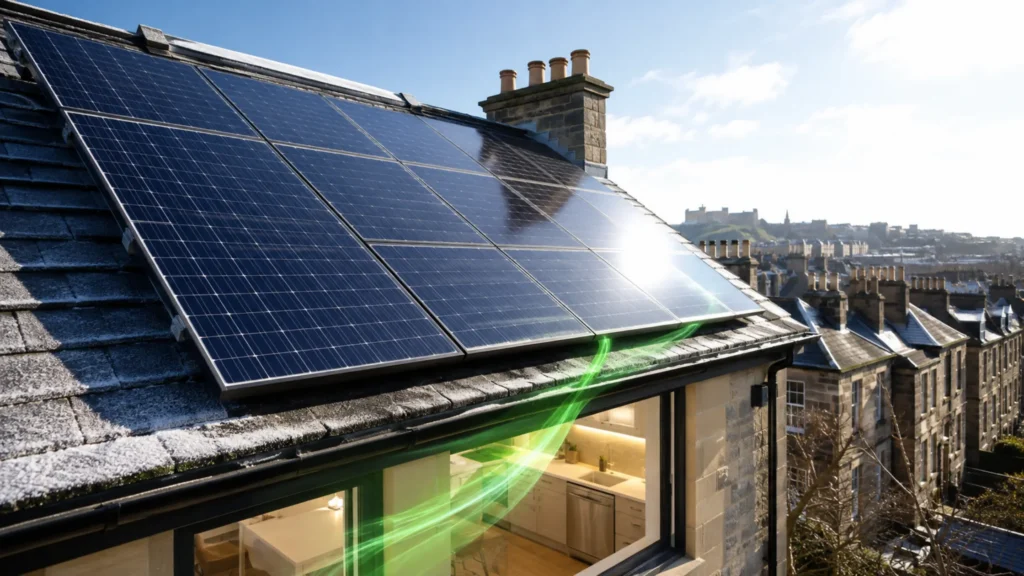
Solar PV still produces electricity on cloudy days, although winter output is lower and varies with array size, orientation, pitch, shading and weather. Your own monitoring portal is more useful than a generic seasonal generation figure. Our guide to solar panels in winter and dull weather explains what to expect.
Match flexible demand to actual production
When monitoring shows surplus generation, shift suitable flexible loads into that period. Check appliance safety instructions and avoid running equipment unattended where the manufacturer advises against it. Whether self-consumption or export is more valuable depends on your import and export tariffs.
Use monitoring to spot faults or shading
Compare performance with similar weather and investigate unexpected, persistent drops. Rain keeps most panels reasonably clean, so routine autumn cleaning is not automatically required. Never access a roof without suitable competence and equipment. If performance or system alerts are concerning, arrange a solar PV and battery assessment.
Review Battery Settings for Winter
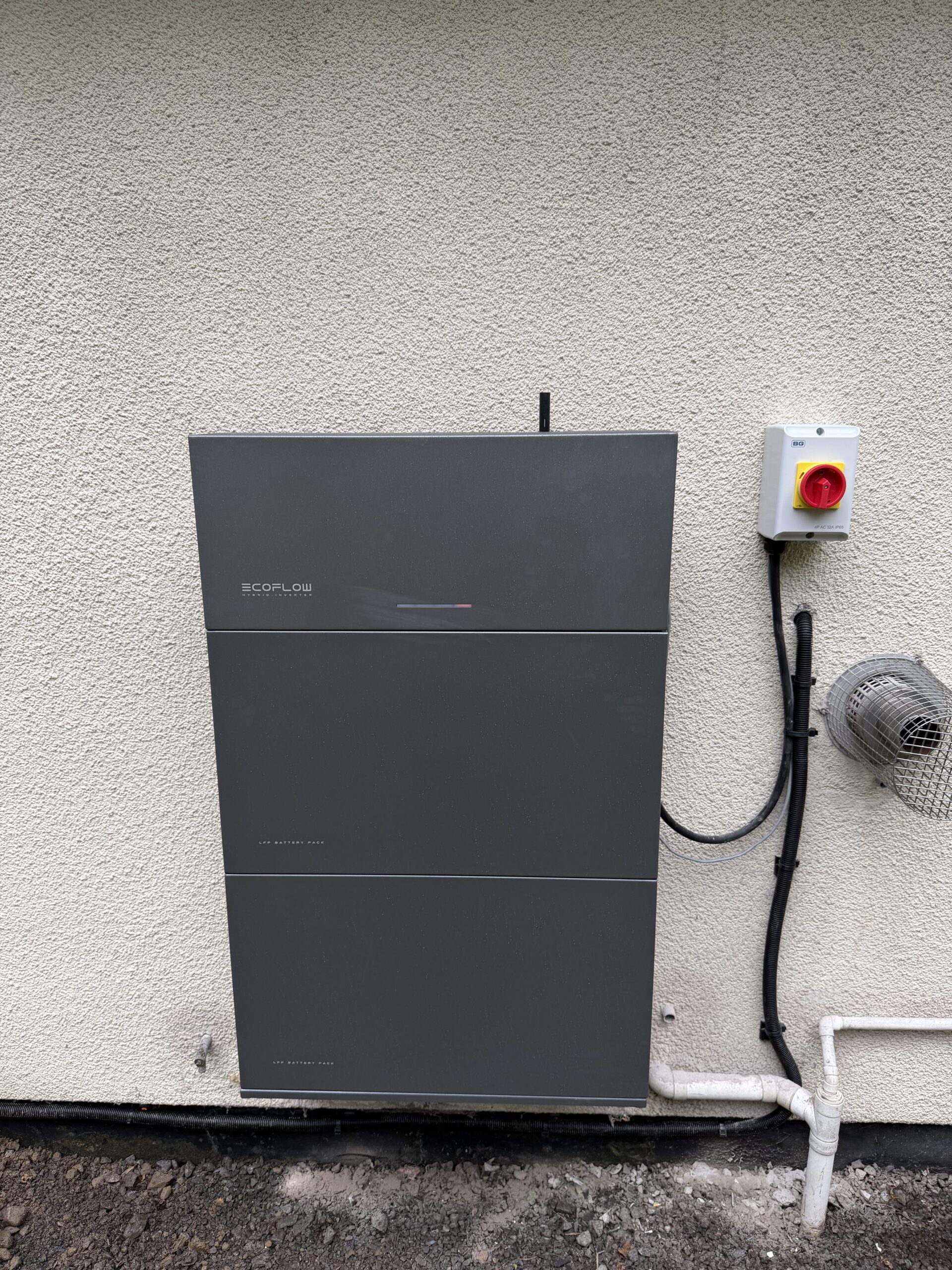
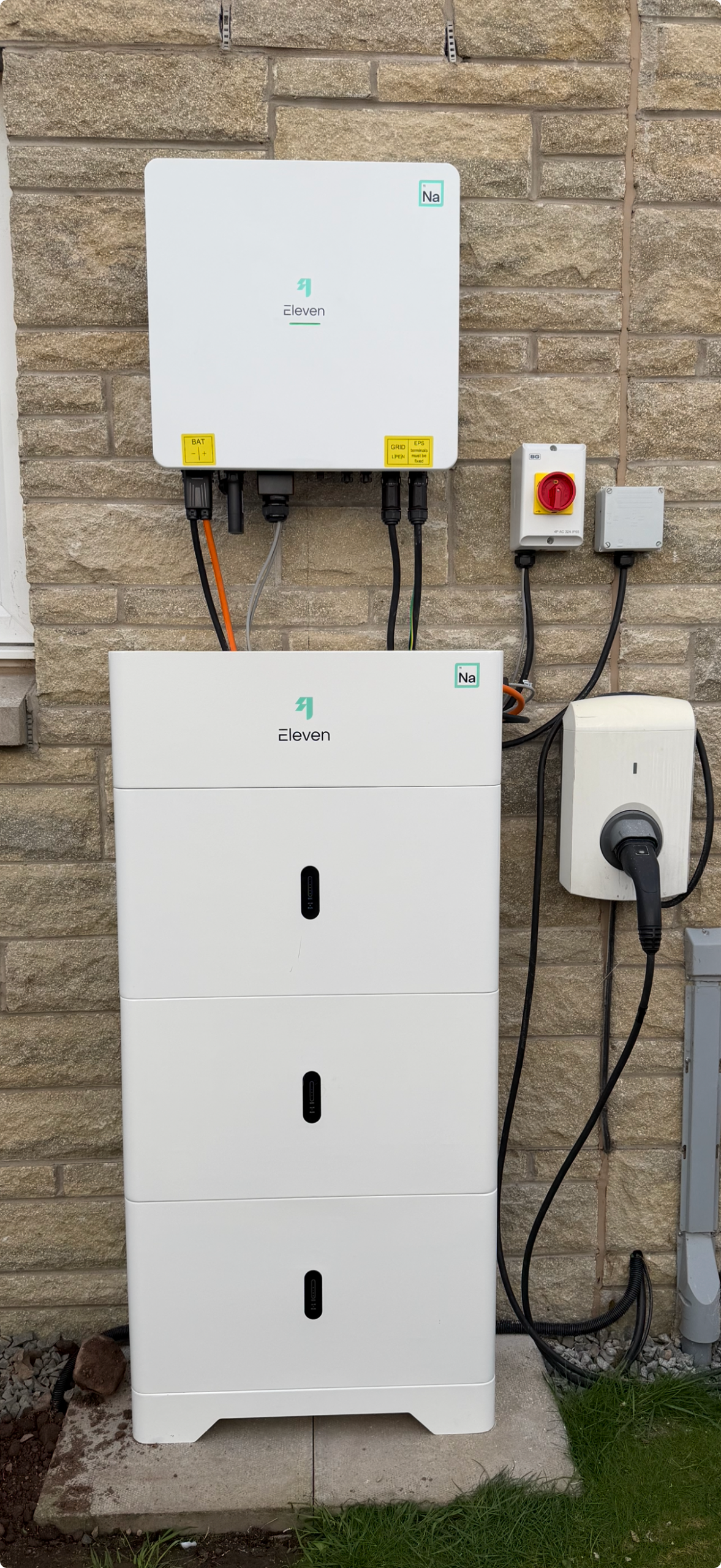
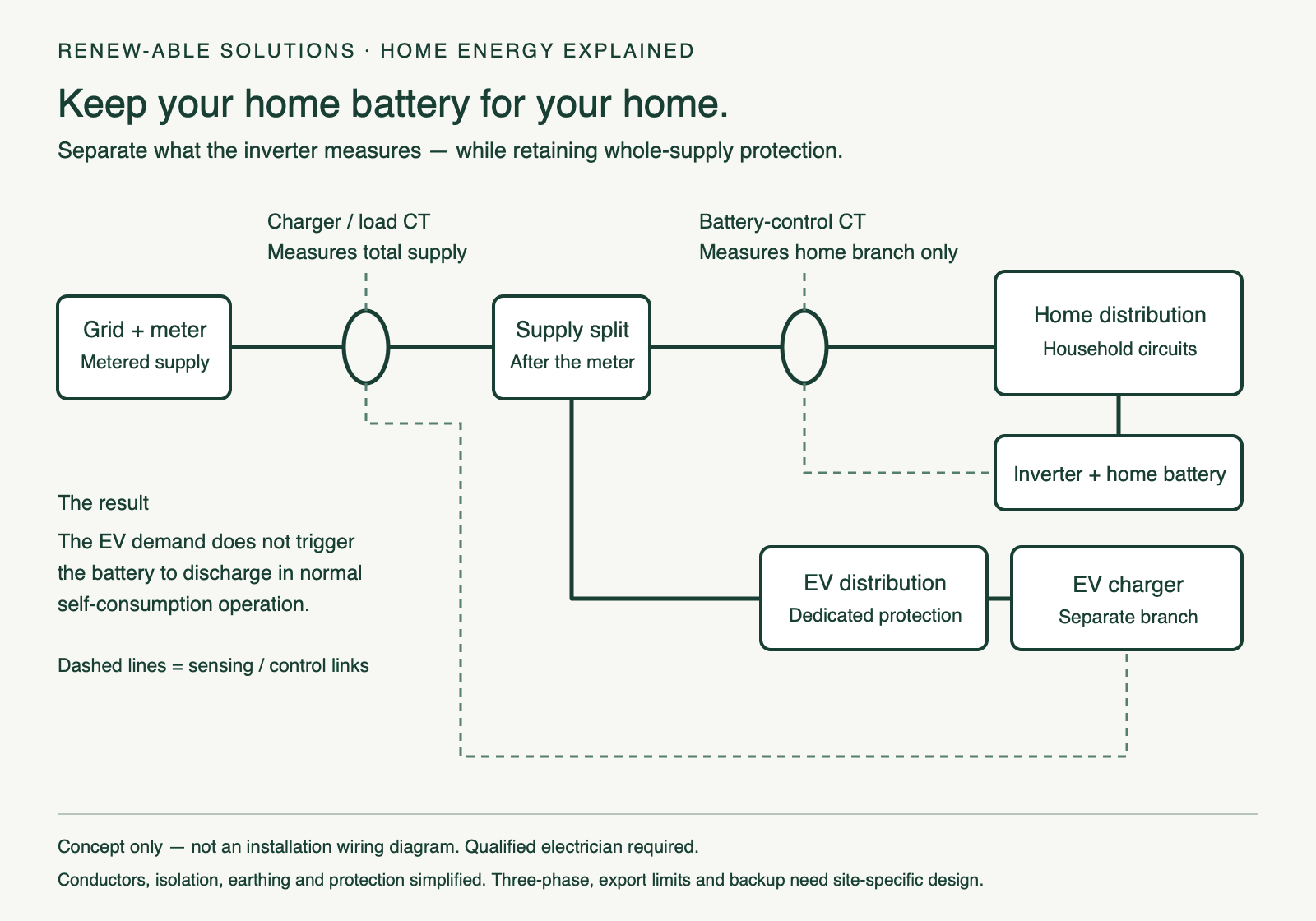
A battery can store excess solar electricity or charge from the grid when a compatible time-of-use tariff is cheaper. Winter settings should reflect the generation forecast, household demand, battery capacity, warranty conditions, import tariff and any backup reserve you need.
There is no single best reserve level or charging schedule. Review the manufacturer’s guidance and use monitoring data to see whether the battery is regularly empty before peak periods, charging when electricity is expensive, or holding capacity that is never used. Our battery storage team in Edinburgh can assess compatible new and existing systems.
Compare the Whole Electricity Tariff
Time-of-use tariffs can help households that can shift EV charging, battery charging or other flexible demand, but off-peak prices are only part of the calculation. Compare peak rates, standing charges, export payments, contract terms, smart-meter requirements and your actual usage pattern. Ofgem recommends using an accredited comparison service and checking what each tariff includes.
Tariff prices change, so confirm current rates directly before switching. Our guide to choosing an electricity tariff explains the main factors, while our review of smart export tariffs covers exported solar electricity.
Consider a Heat Pump Only After a Proper Assessment
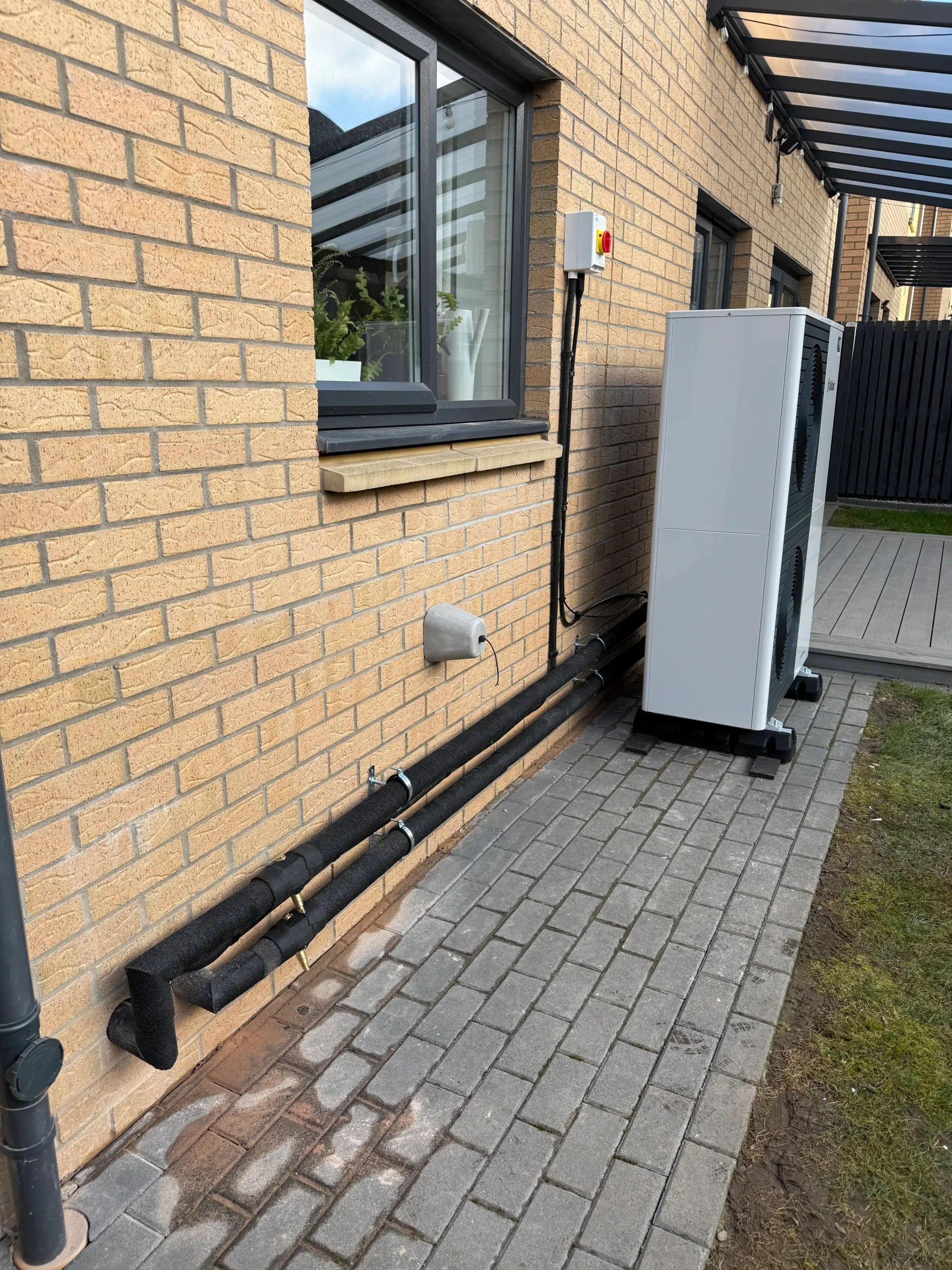
A well-designed heat pump can heat suitable Edinburgh homes efficiently, including older properties, but running cost cannot be predicted from COP alone. Heat loss, flow temperature, radiator or underfloor-heating capacity, controls, hot-water demand and electricity tariff all affect seasonal performance.
Renew-Able Solutions uses a 3D internal LiDAR survey and room-by-room heat-loss calculation to design heat pump systems for Edinburgh and East Lothian homes. The proposal identifies required emitter, cylinder, pipework, control and electrical work rather than relying on property-size assumptions.
In Scotland, the relevant homeowner support is the Home Energy Scotland Grant and Loan, not the Boiler Upgrade Scheme. Subject to current eligibility and scheme terms, heat-pump grant funding is up to £7,500, or £9,000 with the rural uplift, with an optional interest-free loan for eligible remaining costs. Check the scheme before committing to work.
Listed buildings, conservation areas, flats and properties with title or factor restrictions may need additional permissions. The City of Edinburgh Council advises checking current heat-pump planning requirements for the proposed property and outdoor-unit position.
A Practical Winter Checklist
- Compare this winter’s bills and meter data with equivalent periods, allowing for weather and occupancy.
- Check draughts, insulation condition, ventilation and signs of damp.
- Review heating times, temperatures and manufacturer-recommended settings.
- Use solar and battery monitoring to identify real generation, demand and charging patterns.
- Compare tariffs using your actual consumption rather than headline off-peak rates.
- Get a property-specific survey before investing in insulation, solar PV, battery storage or a heat pump.
Frequently Asked Questions
What should I do first to reduce winter energy bills?
Start by checking where heat is being lost and whether your heating controls match occupancy. Draught proofing, appropriate insulation and sensible controls can reduce heating demand, but traditional buildings also need adequate ventilation and moisture management.
Do solar panels still help in an Edinburgh winter?
Yes. Solar panels generate on cloudy days, but winter output is lower and depends on the array, roof, shading and weather. Use your monitoring data to time flexible demand when surplus generation is actually available.
Should I change my battery settings for winter?
Often, but there is no universal setting. Review the generation forecast, time-of-use tariff, household demand, battery capacity, warranty requirements and any backup reserve before changing the charge schedule.
Is a time-of-use tariff always cheaper?
No. It can help if you can shift enough demand away from expensive periods, but peak rates, standing charges, export payments and contract conditions all matter. Compare tariffs using your own half-hourly or meter data where possible.
Can a heat pump reduce winter heating costs?
It can in a suitable, well-designed system, but savings are not guaranteed. Seasonal efficiency, heat loss, emitters, controls, hot-water use, the system being replaced and electricity tariff determine the result.