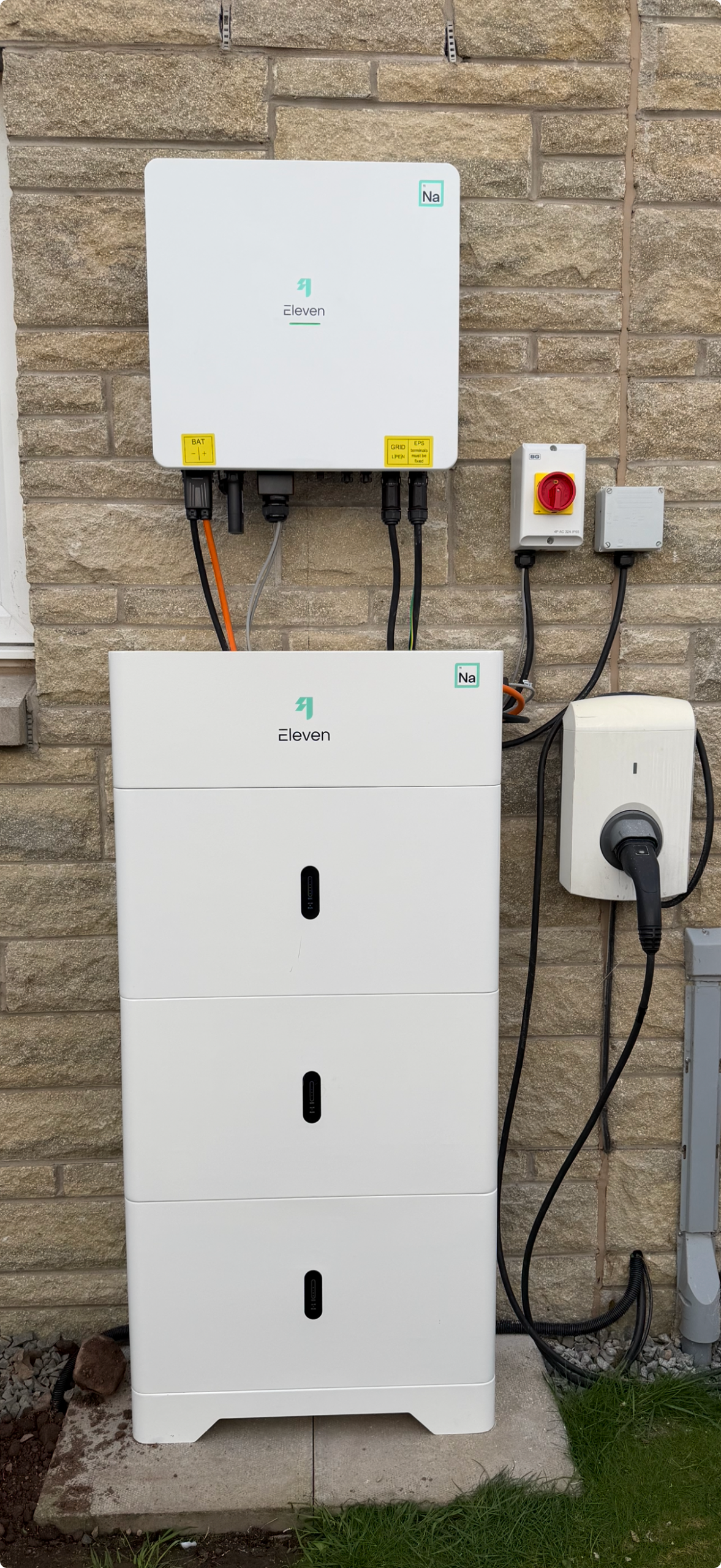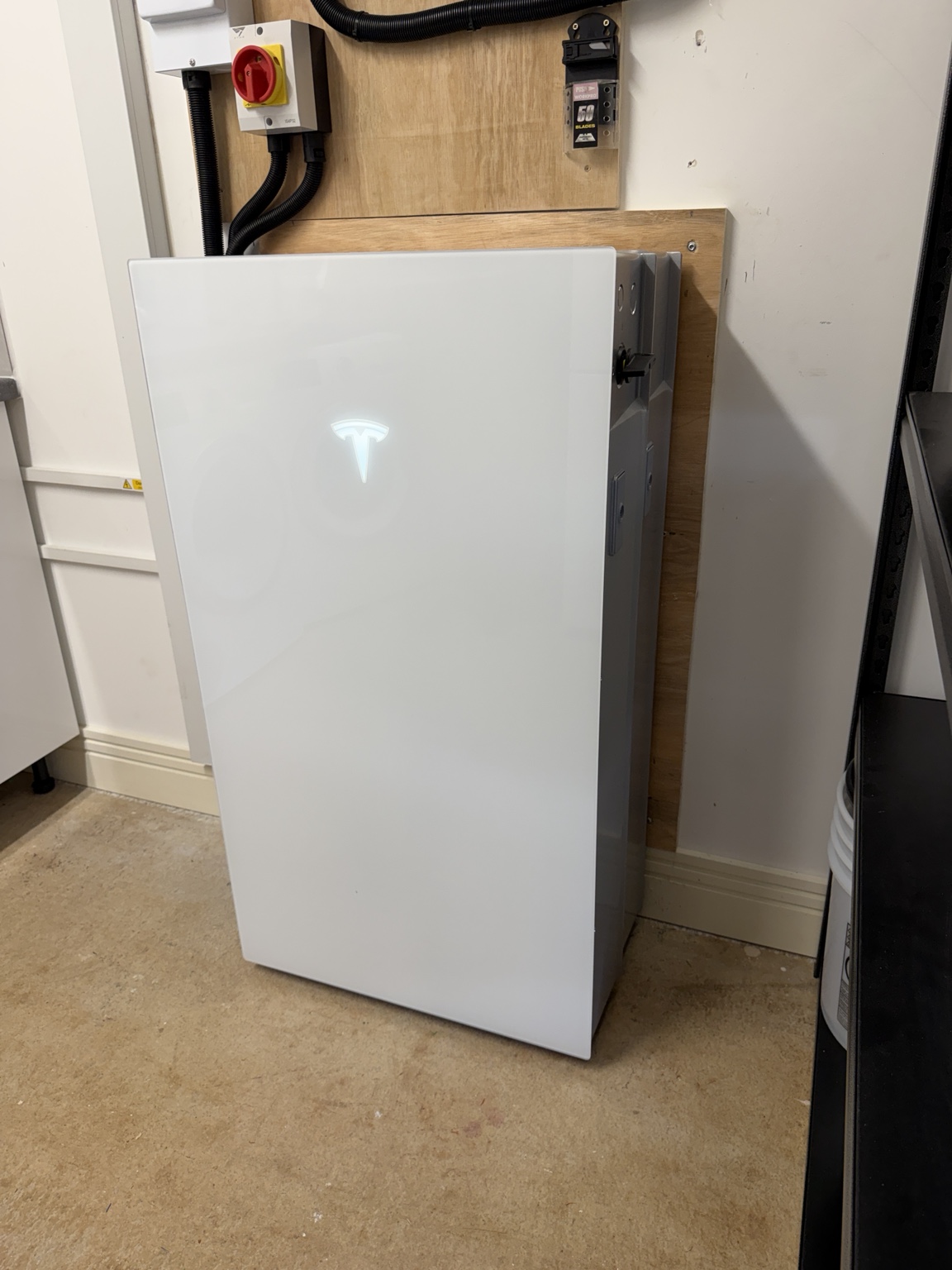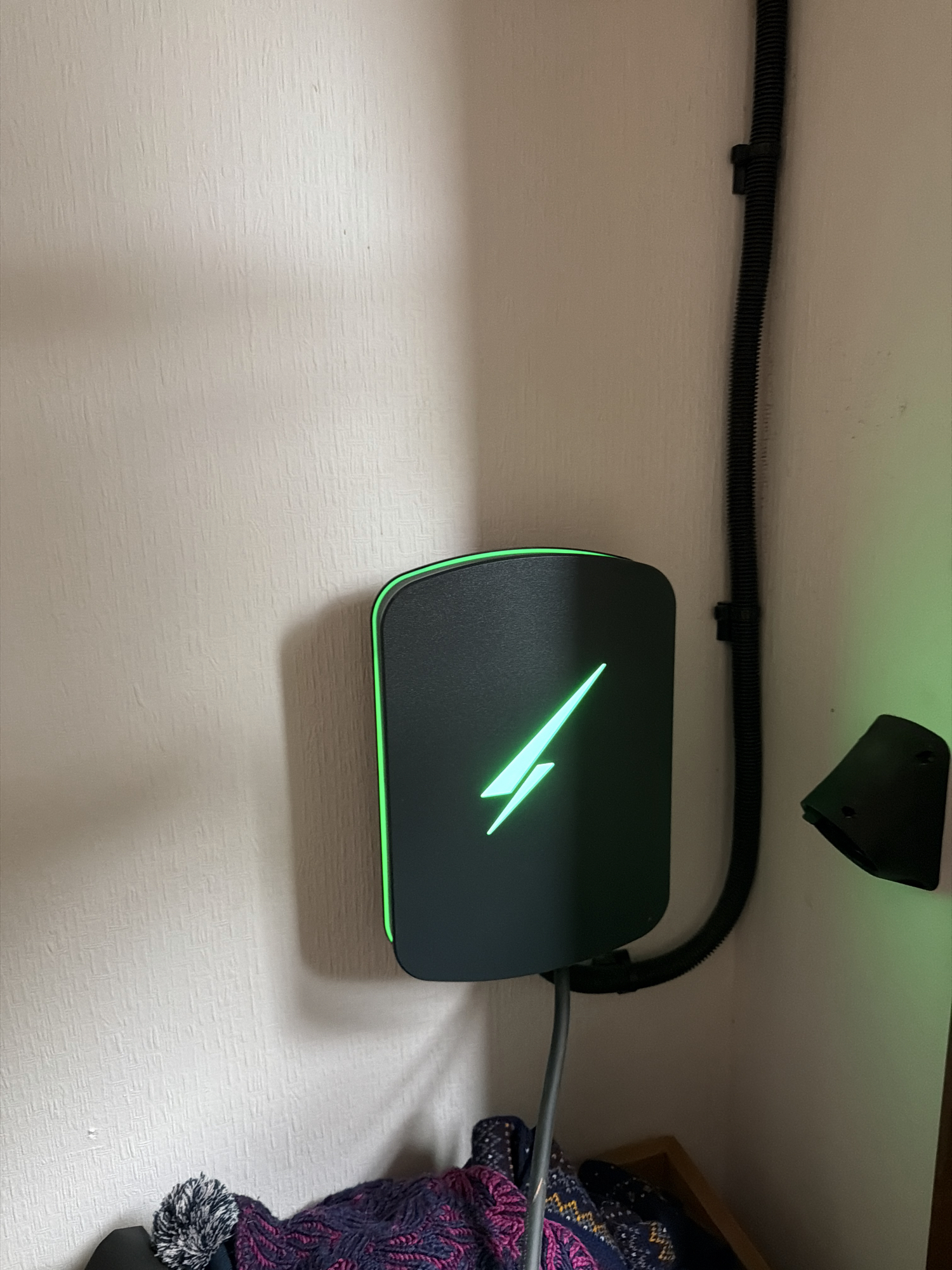

Solar export tariffs pay for eligible electricity sent to the grid. They can add value to a solar installation, but the highest advertised export rate does not always produce the lowest overall household energy cost.
Compare Solar Export Tariffs and Import Costs Together
Estimate annual imports at the applicable rates, add standing charges and fees, then subtract eligible export income. Some enhanced export offers depend on an import tariff, equipment or service relationship. Check the complete terms.
Should you use, store or export solar?
Using electricity directly can avoid an import purchase. Exporting earns the relevant export rate. Storing energy may replace a later import but introduces losses and battery wear. The best decision depends on the values at the relevant times.
For illustration, exporting 1kWh at an assumed 15p earns 15p. Storing that energy to avoid a later 10p/kWh import would not automatically be better, especially after losses. These are example rates, not a current tariff offer.
Can grid-charged batteries earn export payments?
Check the supplier’s rules. Do not assume all stored electricity qualifies for every tariff or that a system may export beyond its agreed network limit. Metering and evidence requirements also matter.
What about the Smart Export Guarantee?
Our Smart Export Guarantee guide explains eligibility and applications, with links to Ofgem’s official guidance. Export payments differ from the former Feed-in Tariff arrangements; existing participants should check before changing their agreements.
Review the whole system
See our battery and EV tariff comparison. For installation advice, explore home storage and solar PV, or contact Renew-Able Solutions.
Reviewed 27 September 2026. Historical export rates and blanket tax claims have been removed.