
The best electricity tariff for a home battery and EV is the one that gives your household the lowest realistic annual cost. A low overnight rate can help, but the daytime rate, standing charge, export income and charging rules can change the result. There is no single tariff that wins for every home.
This guide explains how to compare the options before changing supplier or buying equipment. Product details were checked on 8 September 2026; use a current quote for your postcode and confirm the supplier’s terms before switching.
Considering Octopus? Read our dedicated Intelligent Octopus Go tariff guide for the current charging rules and why we recommend it for suitable households, and compare our compatible EV chargers, warranties and installation guide prices.
Start with the way your home uses electricity
Gather twelve months of electricity use if available, ideally with half-hourly smart-meter data. Separate normal household demand, EV charging, heat-pump use and any electricity already supplied by solar. Record annual import and export separately. Summer solar production alone is not a useful forecast of a Scottish home’s winter battery needs.
Then identify how much demand you can actually move. An EV may need to be ready early; a battery has limits on charge power and usable capacity; and evening cooking or heating may remain on the daytime rate. Include charging losses rather than assuming every purchased unit reaches the car or later supplies the house.
Whole-home off-peak rates and EV-only offers are different
Some time-of-use tariffs apply a cheaper price to all electricity imported during specified hours. Other products discount qualifying smart EV charging through a credit or allowance while household consumption remains on the underlying tariff. This distinction matters if you plan to charge a home battery as well as a car.
| Option to compare | Potential fit | What to check |
|---|---|---|
| Octopus Go | An EV household that can shift charging and other consumption into a fixed overnight window. | EV and smart-meter eligibility, the whole-home off-peak window, daytime rate and standing charge. |
| Intelligent Octopus Go | An EV household with compatible equipment and flexible charging times. | Vehicle or charger compatibility, supplier-controlled charging, whole-home overnight rates and the rules for extra charging slots. |
| OVO Charge Anytime | Drivers comparing smart EV charging through an add-on, including monthly plans or pay-as-you-go. | The EV-specific credit or plan allowance, compatible equipment and solar conditions. The EV offer does not make all home or battery consumption cheap. |
| A battery or time-of-use tariff available for your property | Homes that can shift substantial consumption, including homes without an EV. | Eligibility, battery controls, import and export terms, usable capacity and whether the charging window is long enough. |
These are starting points for comparison, not a ranked list or an endorsement. Check the live supplier pages for current rates, standing charges, exit fees, equipment compatibility and availability. A tariff designed for EV owners may require an EV even if you mainly want to charge a battery.
Compare Electricity Tariffs by Annual Cost
Estimated annual net electricity cost = import charges across all time bands + standing charges + plan fees − applicable EV credits − export income. Add any exit fee when assessing a switch. Apply each credit once and use the supplier’s actual allowance and overage rules.
Run the same consumption assumptions through each quote. Compare your present setup first, then a second scenario with realistic load shifting. A larger daytime premium can outweigh overnight savings if much of your consumption cannot move.
For a battery, divide the charging unit price by the expected round-trip efficiency to estimate the electricity cost per unit delivered later. Then allow for standby consumption and cycling-related wear. If storing solar energy, the export payment you give up is also a cost. The resulting saving must justify any additional equipment and installation cost.
Check solar export compatibility
An attractive import offer can be less useful if it reduces export income. Octopus currently lists both Go and Intelligent Octopus Go as compatible with its Outgoing and Agile Outgoing export products; check the current compatibility guidance and eligibility rather than relying on older articles.
For any supplier, confirm the permitted import-and-export combination, meter requirements and rules covering battery exports. Compare whether surplus solar is more valuable used immediately, stored for later or exported. Do not assume deliberate grid charging and exporting will qualify for the quoted export payment.
Make the battery, charger and tariff work together
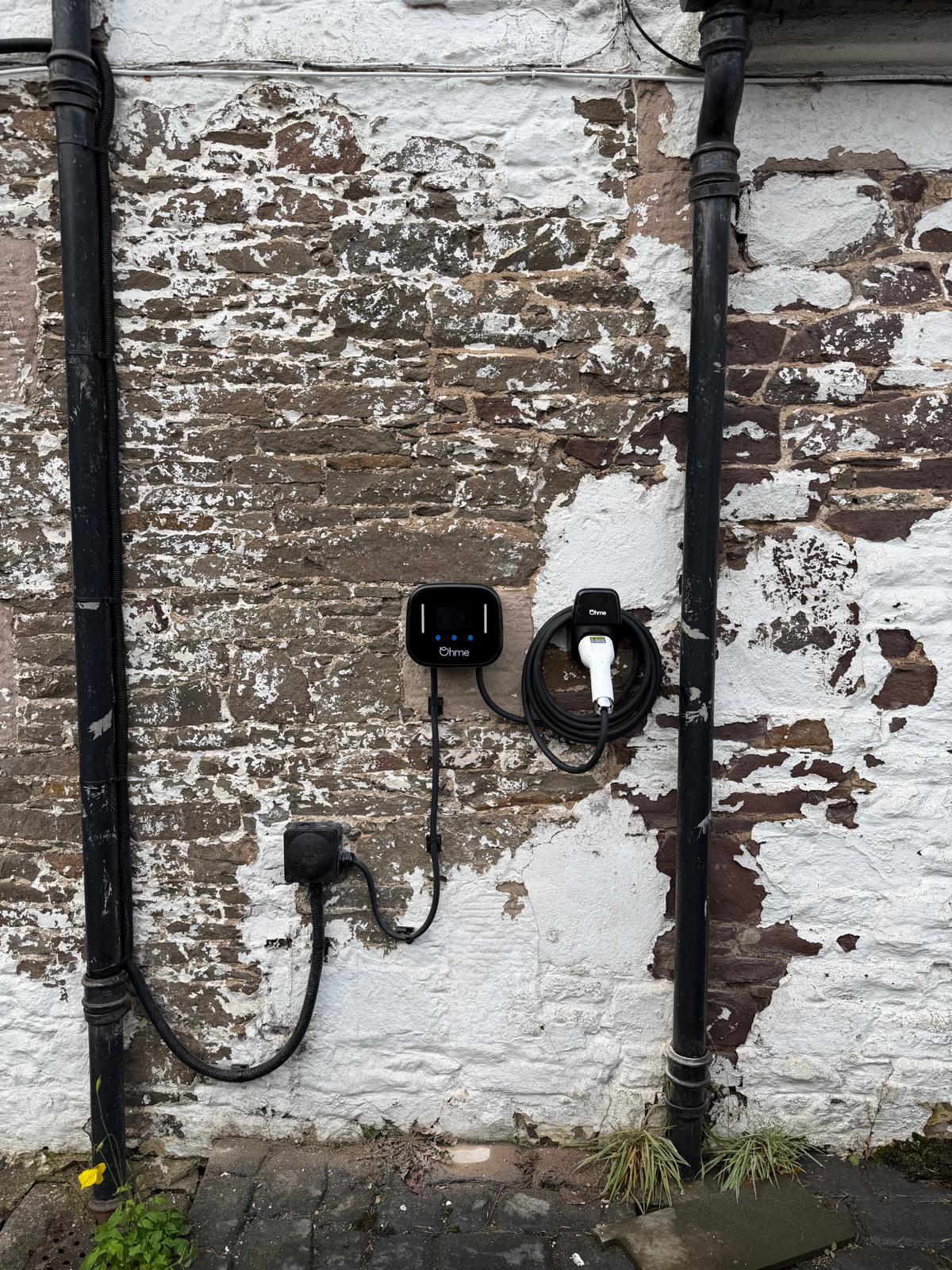
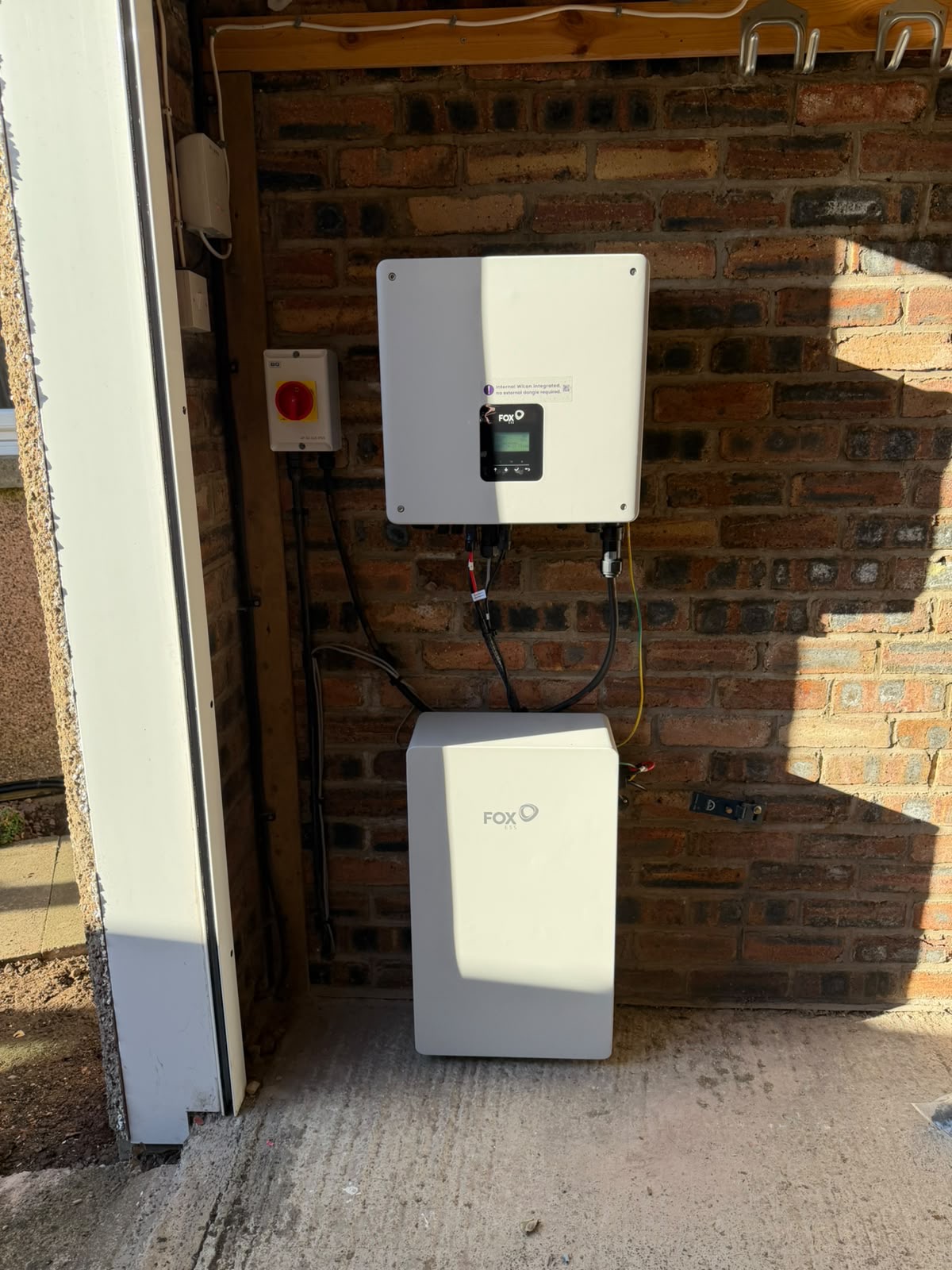
Before switching, confirm that the chosen tariff supports your exact vehicle or charger and that the smart meter is communicating correctly. Check whether the battery and charger need coordinated settings so the car does not unintentionally drain the home battery. Keep enough battery headroom for expected solar generation where that benefits the household.
If you also need power-cut protection, specify that separately. Cheap-rate charging does not make a battery a backup supply: the inverter, protected circuits and changeover arrangement must be designed for it. Explore our battery storage installation service and EV charging options.
Plan your battery and EV installation
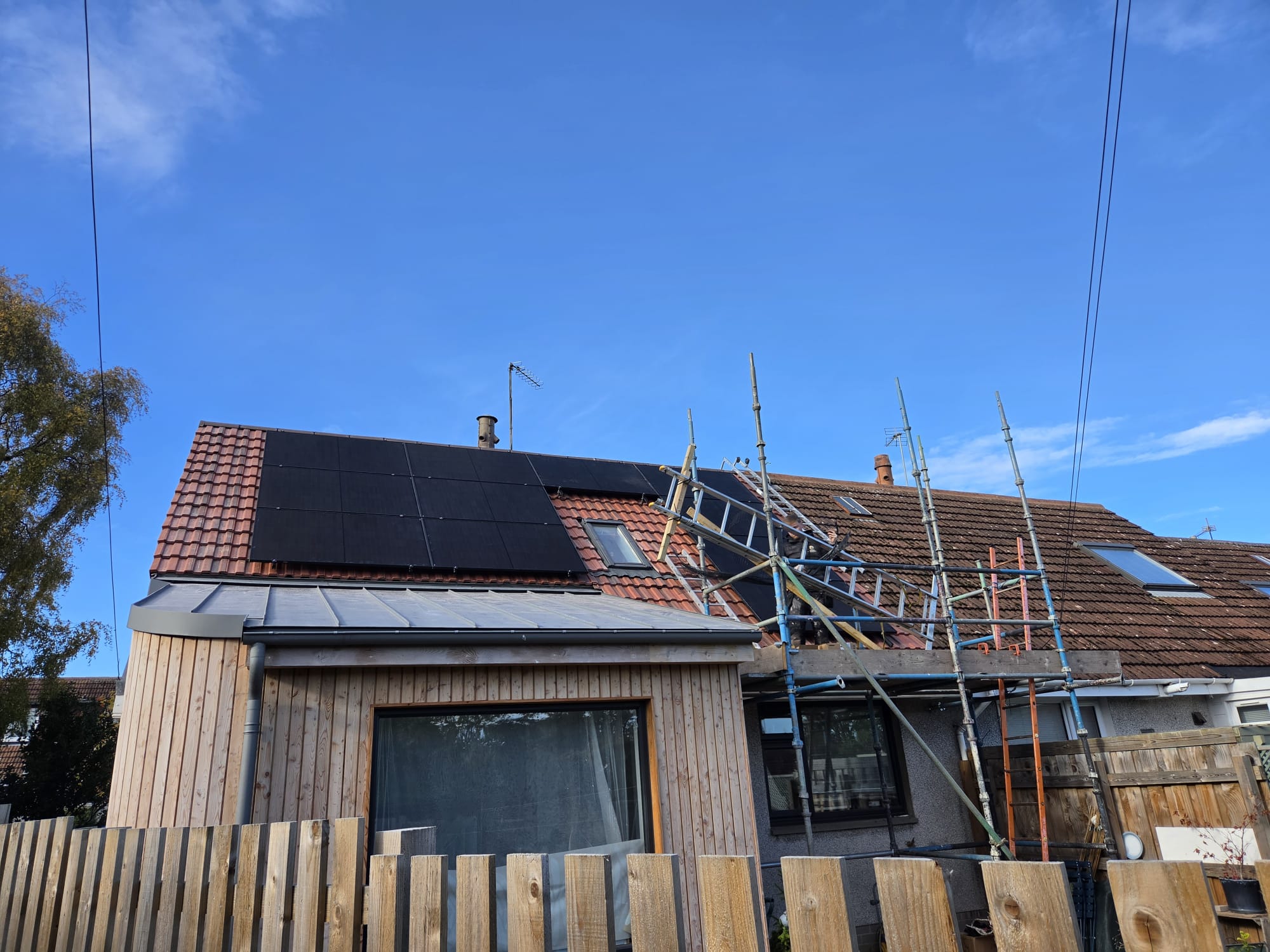
Renew-Able Solutions installs solar PV, batteries and EV charging across Edinburgh, East Lothian and wider Scotland. Send us your postcode, existing equipment models, annual electricity use and the tariff options you are considering. We can assess the installation and control requirements and explain the assumptions used in a proposal.
Only need a chargepoint? Request an EV charger quotation. If you already have both systems, our guide to an EV charger draining a home battery explains the coordination checks to discuss with your installer.