Reviewed: 1 September 2026. The Smart Export Guarantee (SEG) allows eligible small-scale low-carbon generators in Great Britain to receive payment for electricity exported to the grid. Tariff rates and contract conditions are set by participating suppliers and can change, so this guide explains the process without publishing a rate table that may quickly become inaccurate.
What is the Smart Export Guarantee?
The SEG launched on 1 January 2020. It requires qualifying electricity suppliers, known as SEG licensees, to offer at least one export tariff to eligible generators. The tariff must pay more than zero for measured electricity exported to the grid.
Suppliers determine their tariff rate, contract length, payment arrangements and other conditions. Some tariffs are available to any eligible generator, while others offer different terms when the customer also buys electricity from that supplier or uses specified equipment or services.
Which technologies can qualify?
Ofgem lists solar PV, onshore wind, hydro, anaerobic digestion and micro combined heat and power as eligible technologies. The total installed capacity must generally be no more than 5MW, or no more than 50kW for micro-CHP, and the installation must be in Great Britain.
The generator must also meet the applicable certification and metering requirements. Ofgem guidance explains that applicants need suitable evidence of installation certification, an export meter and an export Meter Point Administration Number (MPAN). A supplier may request further documents as part of its application process.
Do I have to use my electricity supplier?
No. Ofgem states that the company paying your SEG export tariff does not have to be the company supplying your imported electricity. However, a supplier may reserve particular enhanced or tied tariffs for customers who meet additional conditions. Compare the complete tariff terms rather than the headline rate alone.
What should you compare?
- The current payment rate and whether it is fixed or variable.
- Contract duration, notice period and what happens when the term ends.
- Whether the tariff is tied to an import tariff, installer, battery or other product.
- How frequently meter readings and payments are processed.
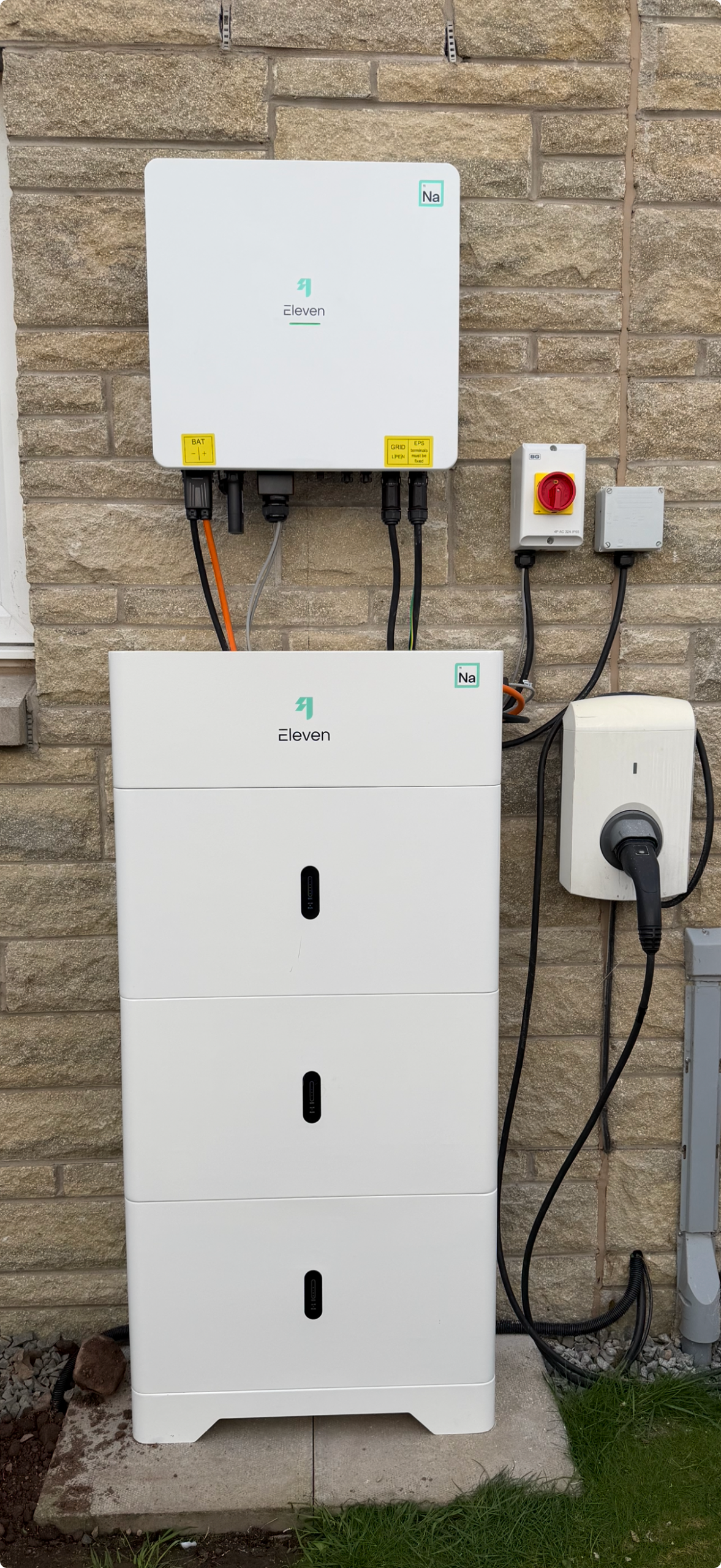
- Whether exported electricity from battery storage is eligible under the supplier’s terms.
- Any administration, metering or evidence requirements.
Because tariffs change, check the supplier’s current published terms immediately before applying. Ofgem also publishes a current list of SEG licensees.
How much could SEG payments be worth?
The answer depends on how much electricity the system exports and the tariff that applies. A simple illustration is:
Annual exported electricity × export tariff = estimated annual export payment.
For example, 1,500kWh of measured exports at an illustrative tariff of 10p/kWh would produce £150 before considering any tax or contractual implications. This is an example only, not a forecast or a statement of a currently available tariff.
For many properties, using solar electricity on site can be financially more valuable than exporting it, because self-consumption can avoid buying some electricity at the applicable import price. The best balance depends on generation, daytime demand, battery operation and tariff terms.
How do I apply?
- Confirm that the installation and metering meet the SEG eligibility requirements.
- Obtain the export MPAN and any certificate or commissioning documents requested.
- Compare current tariffs and complete terms from SEG licensees.
- Apply directly to the selected licensee and provide its required evidence.
- Retain the agreement and check the first meter reading and payment.
Solar design and export
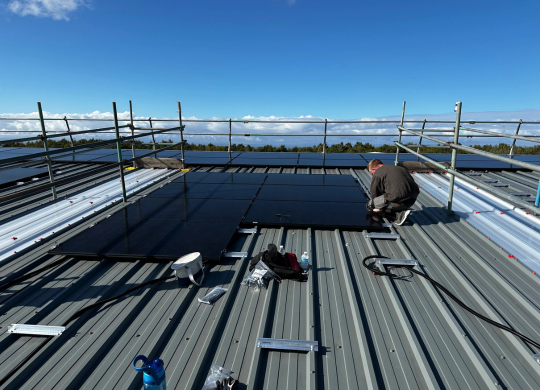
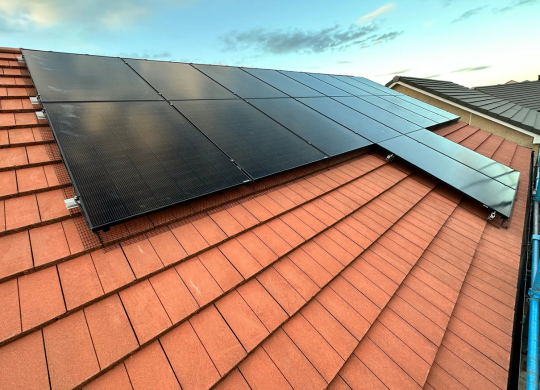
SEG income should not be treated as guaranteed when assessing a solar project. Generation, self-consumption, export capacity, tariffs and future supplier terms can all change. Renew-Able Solutions provides project-specific generation and consumption estimates with the assumptions stated.
Discuss a solar PV system for your property. Businesses can also review our commercial solar installation service.
Official guidance
Check the latest eligibility information, generator guidance and supplier list on the Ofgem Smart Export Guarantee pages.