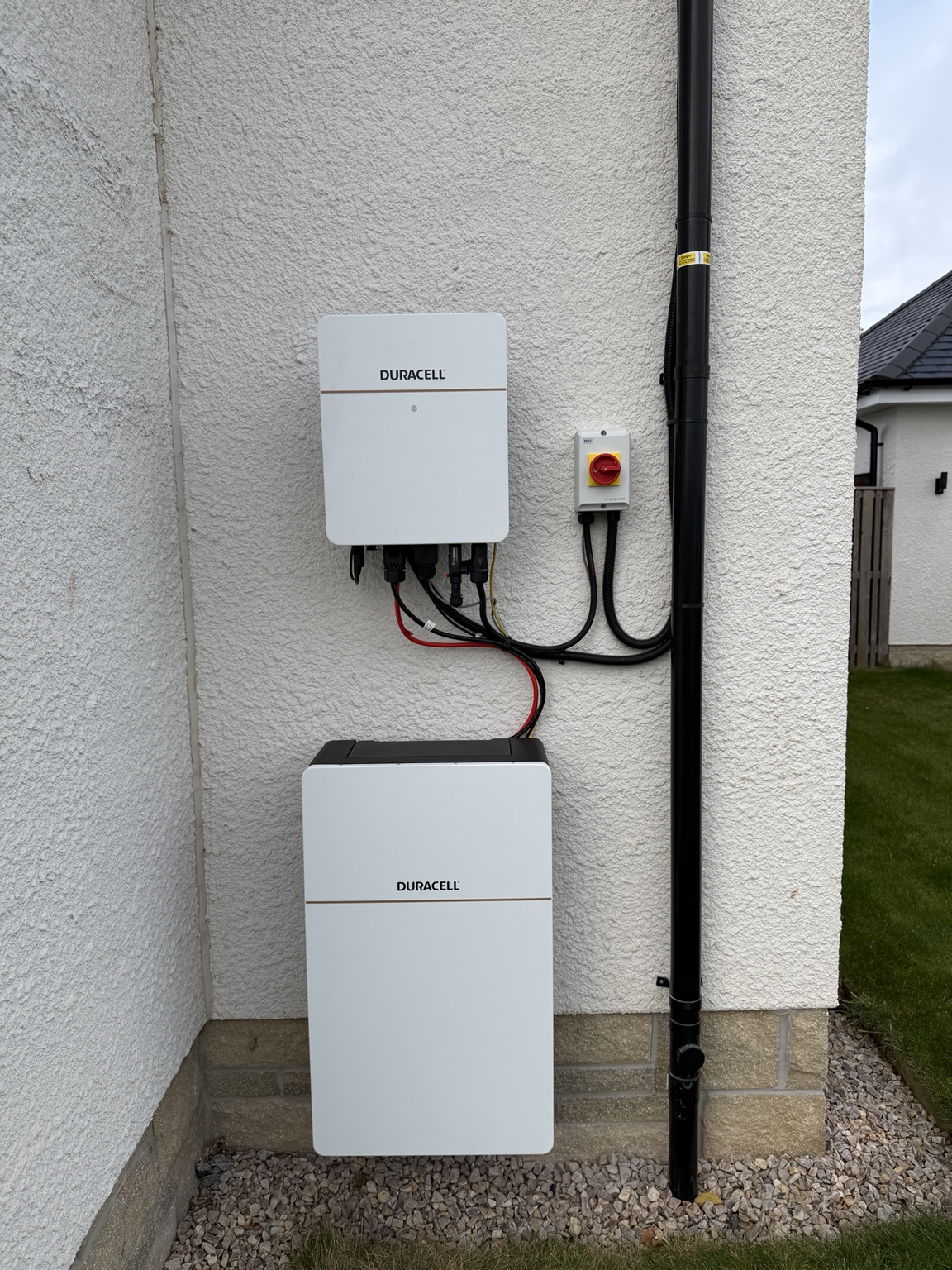
Adding a battery to solar is often described as a simple upgrade. Physically, it may be straightforward. Electrically, however, the new arrangement needs a fresh look. An existing G98 notification or G99 agreement is not a blank permission for every future addition.
The right route depends on what changes: inverter capacity, operating modes, export controls and the conditions of the existing connection. Your installer should review the complete system with the distribution network operator before work proceeds where approval is required.
This matters whether the property is an Edinburgh terrace, an East Lothian detached house or a home elsewhere in Scotland.
Want advice for your home? Call 0131 210 0405 or send an enquiry to Renew-Able Solutions.
Adding a battery: start with three different numbers
Battery quotations often contain kWh and kW figures side by side. They answer different questions. Mixing them up is one reason network paperwork becomes confusing.
| Figure | What it describes | Why it matters |
|---|---|---|
| Battery capacity, in kWh | How much energy the battery can store | How long it might support household demand |
| Inverter power, in kW | How quickly equipment can convert and deliver energy | The generation arrangement connected to the network |
| Agreed export limit, in kW | Maximum permitted flow out to the grid | The control settings and connection conditions |
A larger battery can add storage without increasing an existing inverter’s output. By contrast, adding a separate battery inverter can increase the total connected generation capability. Those two changes should not receive the same automatic answer.
What G98, G99 and G100 actually do
G98 provides a route for qualifying small generation. G99 covers generation outside that route. G100 concerns controls that keep power flows within an agreed limit. It does not replace the connection process.
Our main G98, G99 and G100 guide explains the terms in more detail. This article focuses on what happens when an existing installation changes.
SP Energy Networks’ G99 guidance describes the general 16A-per-phase boundary and available application routes. Treat that as a starting point. Qualification also depends on the equipment and proposed configuration.
Three ways of adding a battery to existing solar
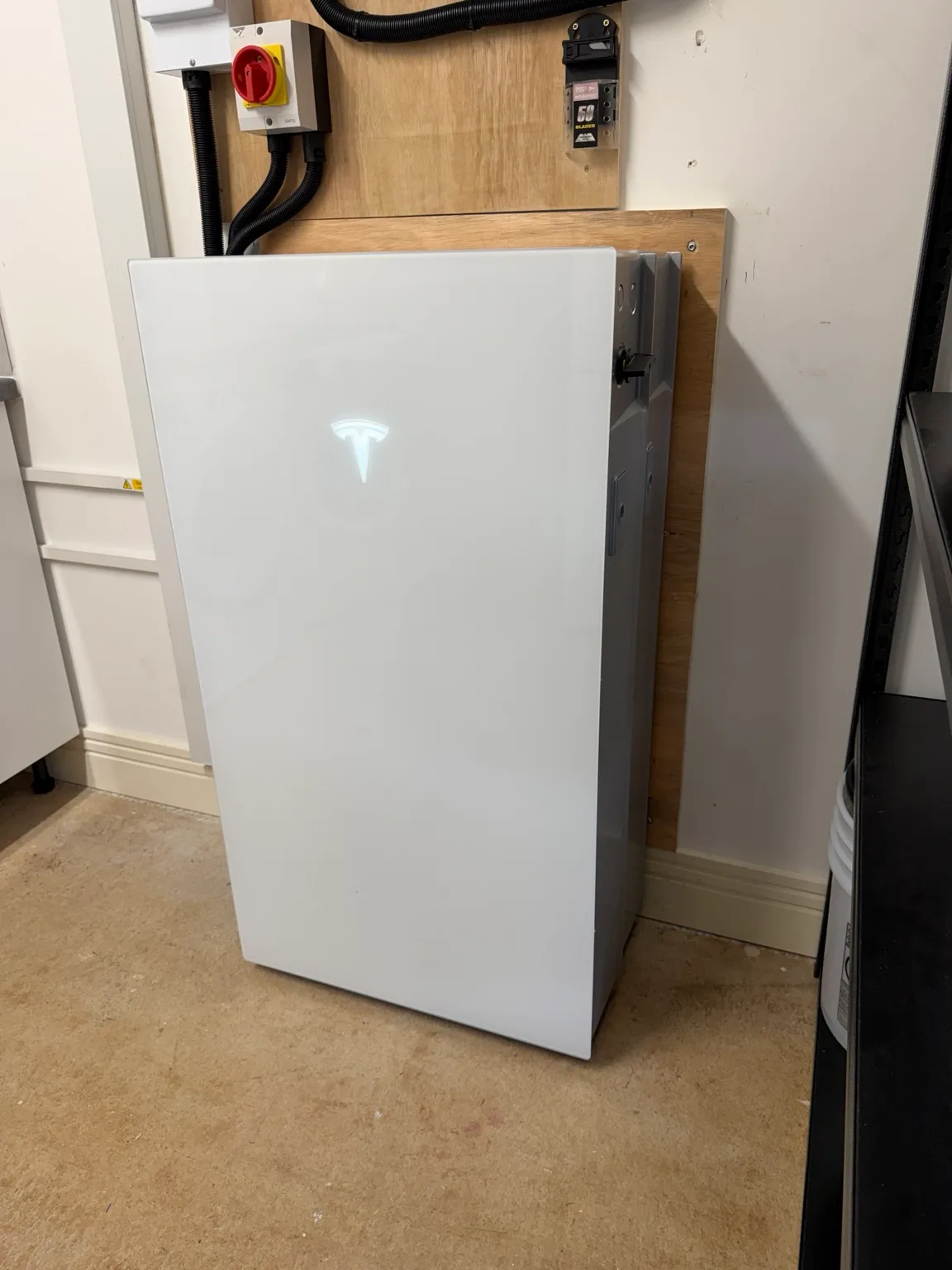
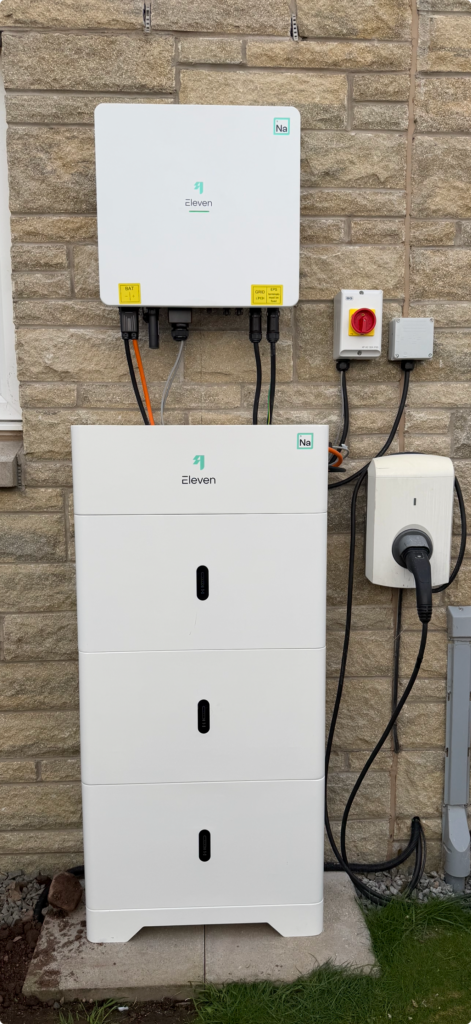
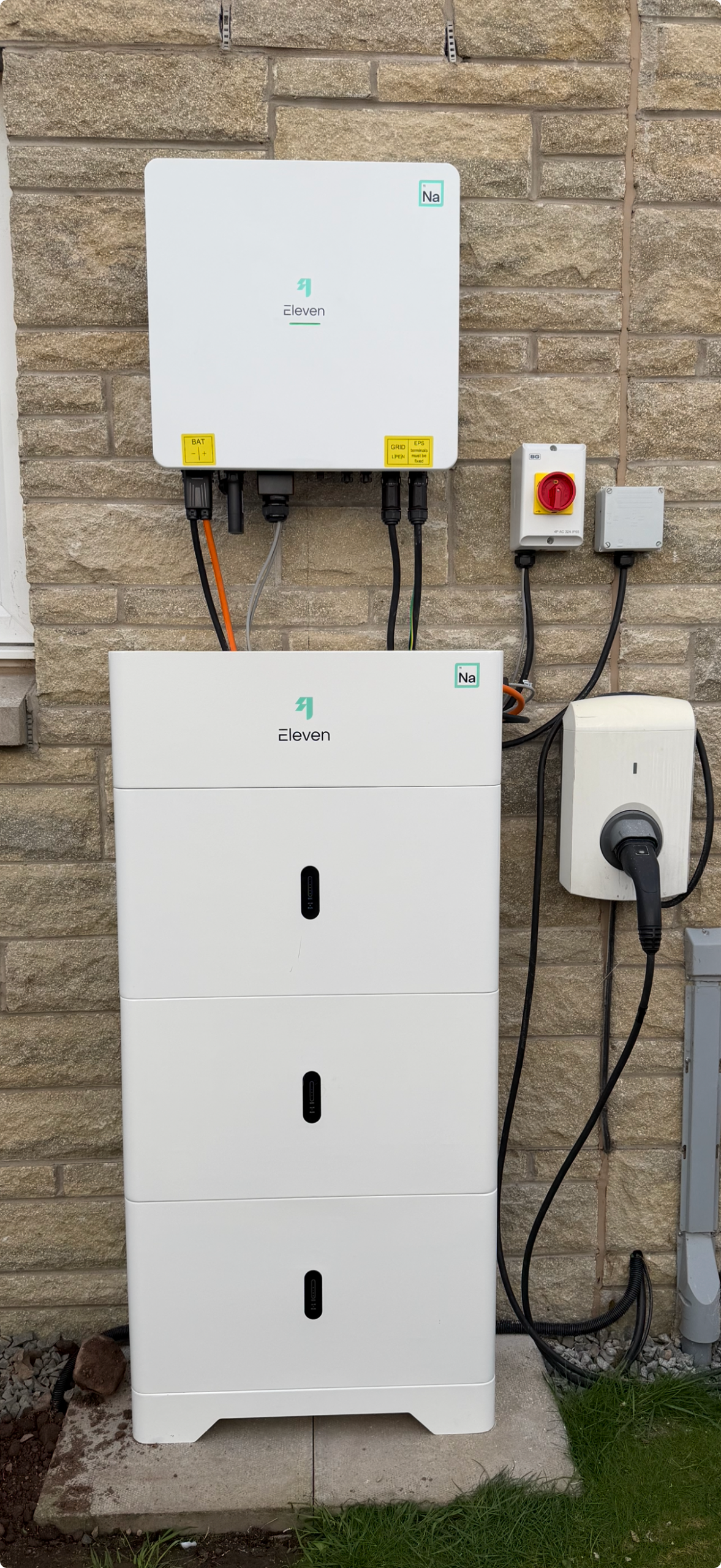
More battery modules on an existing hybrid inverter
The inverter rating may remain the same while storage increases. Nevertheless, the installer should confirm compatibility, operating settings and whether the existing agreement needs updating. A module-only change should not be confused with an added inverter.
A separate AC-coupled battery
Here, the home gains another inverter alongside the solar inverter. Ask the installer to assess the combined arrangement. A system that qualified for G98 before the change may need a different route afterwards.
A replacement hybrid inverter
Even when the new inverter has a similar nameplate rating, its certification, protection settings or export control may differ. The final design should identify the exact model, not simply call it “like for like”.
Why “we will limit export” is only part of the answer
Imagine a home with an existing solar inverter and a proposed separate battery inverter. The owner wants to retain the same maximum grid export. That may be possible with an appropriate control scheme, subject to the DNO’s agreement.
However, setting a number in an app is not by itself evidence that the arrangement meets the connection conditions. The installer must specify suitable equipment, measuring points, settings and commissioning checks.
Also ask what happens if communications or a measurement signal fails. Export limitation is a designed function with defined behaviour, not just a household preference.
For the wider local context, see how grid limits can affect Edinburgh solar exports.
Before adding a battery: what to send your installer
Gather the previous DNO letter or notification, inverter model, panel details and any existing export limit. Add the proposed battery and inverter specifications. If you cannot find the paperwork, say so before an installation date is agreed.
- Ask which DNO serves the property; your electricity supplier is a different organisation.
- Confirm who submits any application or revised information.
- Identify whether approval is needed before installation.
- Ask what conditions, settings and documents you will receive at completion.
Our DNO application process guide covers the practical sequence. Avoid planning around a guaranteed approval date unless the network operator has confirmed it.
Does adding a battery mean changing the whole solar system?
Not always. A carefully chosen retrofit can retain useful existing equipment. Our AC and DC coupling comparison explains the main approaches.
Still, network suitability is only one check. Location, electrical protection, cable routes, metering and manufacturer compatibility also shape the design. If the original system receives Feed-in Tariff payments, review its metering separately.
The outcome to ask for
Before paying for an upgrade, you should understand the proposed system, the required connection route and who handles it. At handover, the installed equipment and settings should match the agreed arrangement.
That clarity is more useful than a quick promise that every battery fits under the old approval. It also leaves you with records for the next upgrade, service visit or house sale.
Talk through your next step
Send us your inverter model, battery proposal and any existing DNO letter. We can help establish which connection checks your upgrade needs.
Explore our battery storage service, call 0131 210 0405 or submit an enquiry. Renew-Able Solutions serves Edinburgh, East Lothian and surrounding areas; tell us your postcode so we can confirm suitability and coverage.
Technical sources and examples checked on 3 October 2026. Illustrative figures are not quotations or guaranteed savings.