Planning solar panels or a battery? This guide explains the DNO application process, the information your installer needs, possible costs and what happens before commissioning. For a simpler comparison of the standards, start with G98, G99 and G100 explained.
Quick answer: a DNO application or notification tells the local electricity network operator about equipment that will import from or export to its network. The correct process depends on the equipment, its AC capacity, the number of phases, any existing generation or storage, and the proposed export limit. Qualifying smaller systems normally follow G98; larger or combined systems normally require G99 approval before connection; and G100 covers approved export or import limitation schemes.
WHAT IS A DNO APPLICATION?
When solar PV, battery storage or another energy device is connected to a home or business, the local Distribution Network Operator may need to be notified or asked for permission before the equipment is connected. This allows the operator to check network safety, voltage rise, protection settings and the amount of electricity that may be imported or exported.
There are two broad routes: connect and notify, where qualifying equipment can be connected and the DNO is notified within the required timetable, and apply to connect, where written approval is required before installation or commissioning. The installer must establish the correct route from the complete proposed system—not simply from the number or wattage of the solar panels.
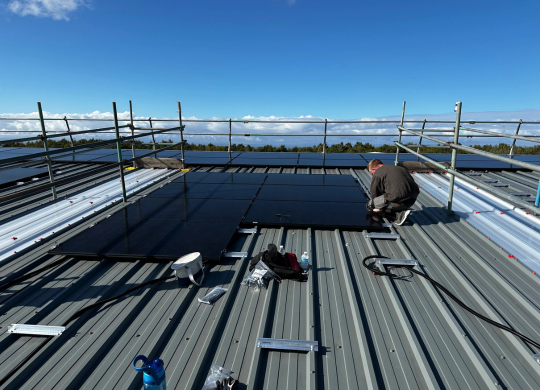
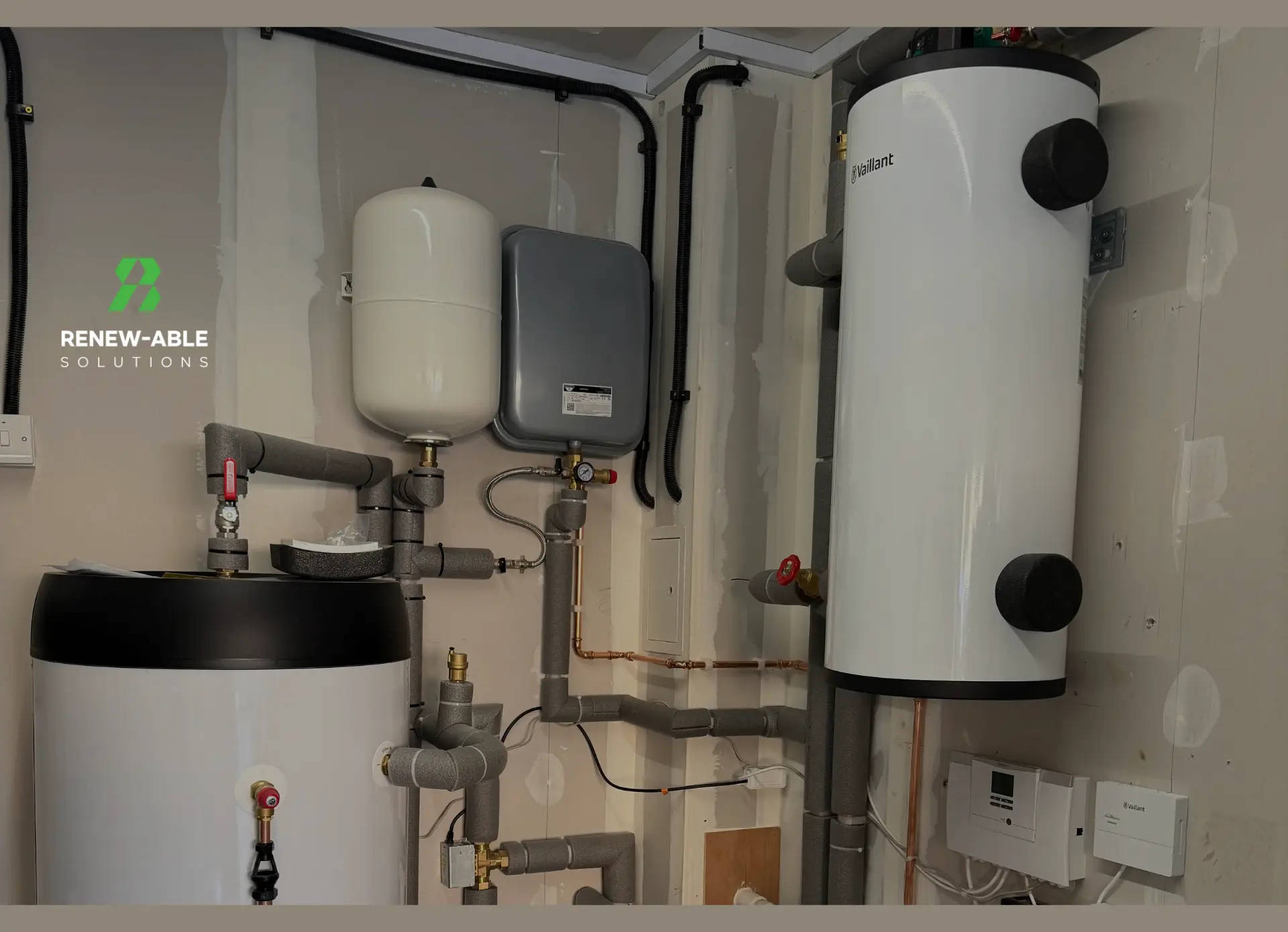
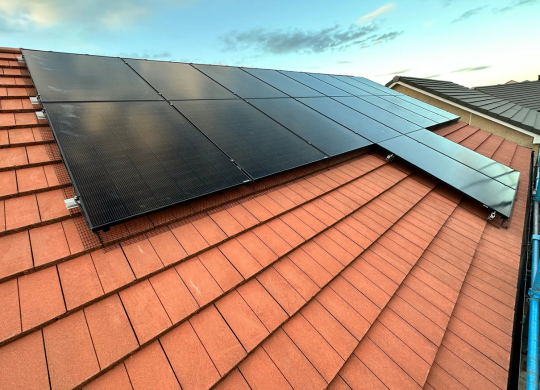
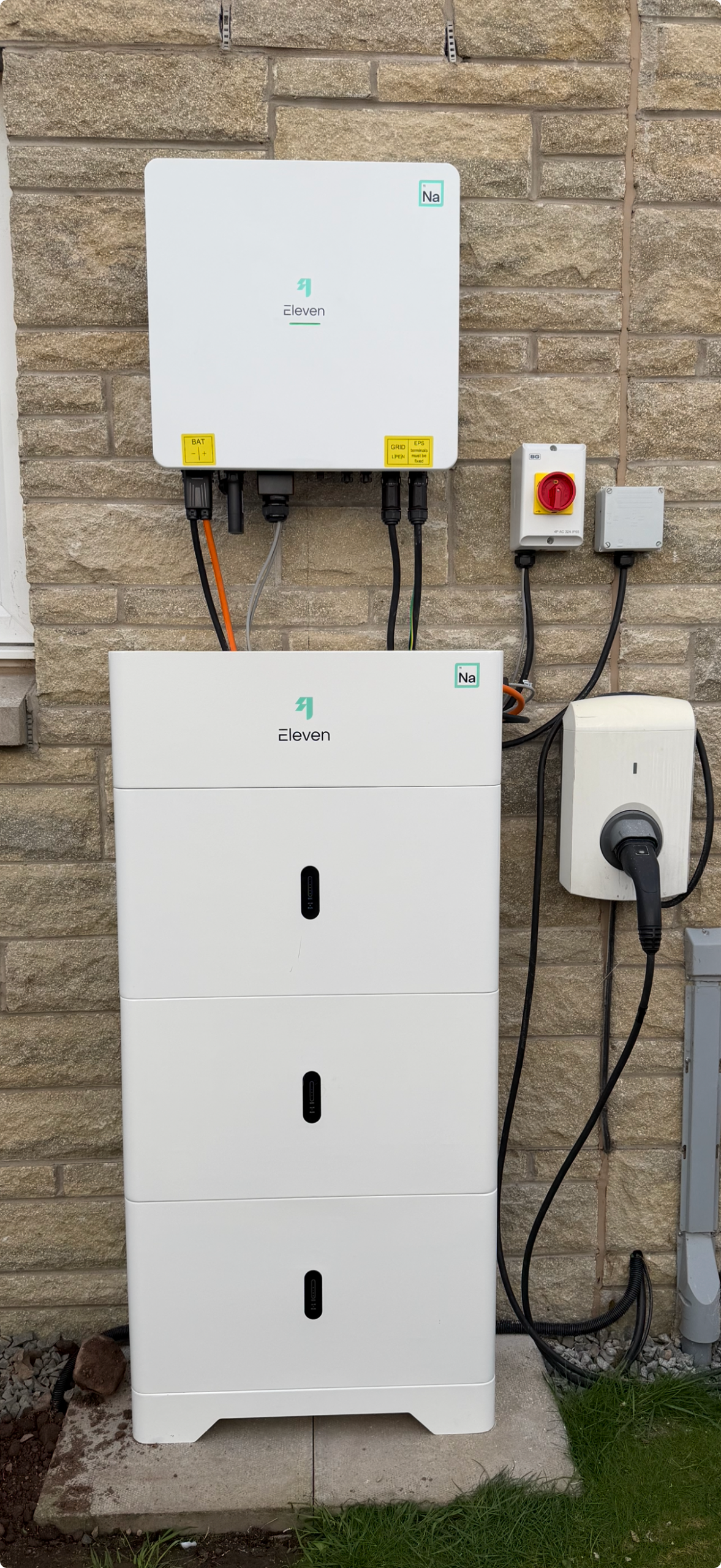
Renew-Able Solutions manages the relevant DNO paperwork for the solar PV, battery and renewable energy systems that we install.
G98, G99 AND G100 AT A GLANCE
| Standard | What it generally covers | When connection can proceed |
|---|---|---|
| G98 | Qualifying microgeneration up to 16A per phase—normally 3.68kW per phase at 230V | Connect and notify, subject to the applicable rules and DNO timetable |
| G99 | Generation or storage outside G98, including larger and many combined systems | Approval is normally required before connection |
| G100 | A compliant scheme that limits export to, or import from, the distribution network | Agreed as part of the connection design and DNO process |
These are simplified descriptions. Existing equipment, multiple inverters, battery storage, phase arrangement and manufacturer-set registered capacity can change the correct application route.
WHAT DOES DNO STAND FOR?
DNO stands for Distribution Network Operator. DNOs are the licensed companies that operate the local electricity networks carrying power to homes and businesses. They are different from your electricity supplier, which bills you for electricity, and from the National Energy System Operator, which operates the wider transmission system.
Network company names and ownership can change, so a static list can quickly become outdated. The most reliable way to identify the operator for a property is the Energy Networks Association’s official DNO postcode finder. Much of Edinburgh and the Lothians is served by SP Energy Networks, while SSEN Distribution serves large parts of northern Scotland.
WHO IS THE DNO FOR MY AREA?
Your DNO is determined by the property’s electricity connection—not by which electricity tariff or supplier you use. The installer will normally confirm the DNO using the postcode, supply details and MPAN shown on the electricity bill.
The MPAN and details of any existing solar PV, battery, wind, hydro or other generating equipment are important. An application based only on the new equipment can be incorrect if the property already has generation connected.
WHEN DO YOU NEED TO APPLY FOR A DNO APPLICATION?
Solar PV and battery storage connected in parallel with the electricity network must follow the appropriate generation-connection process. Other low-carbon technologies—including heat pumps and EV chargepoints—also have notification or application requirements where they create a significant change to the connection.
- Solar photovoltaic panels and inverters
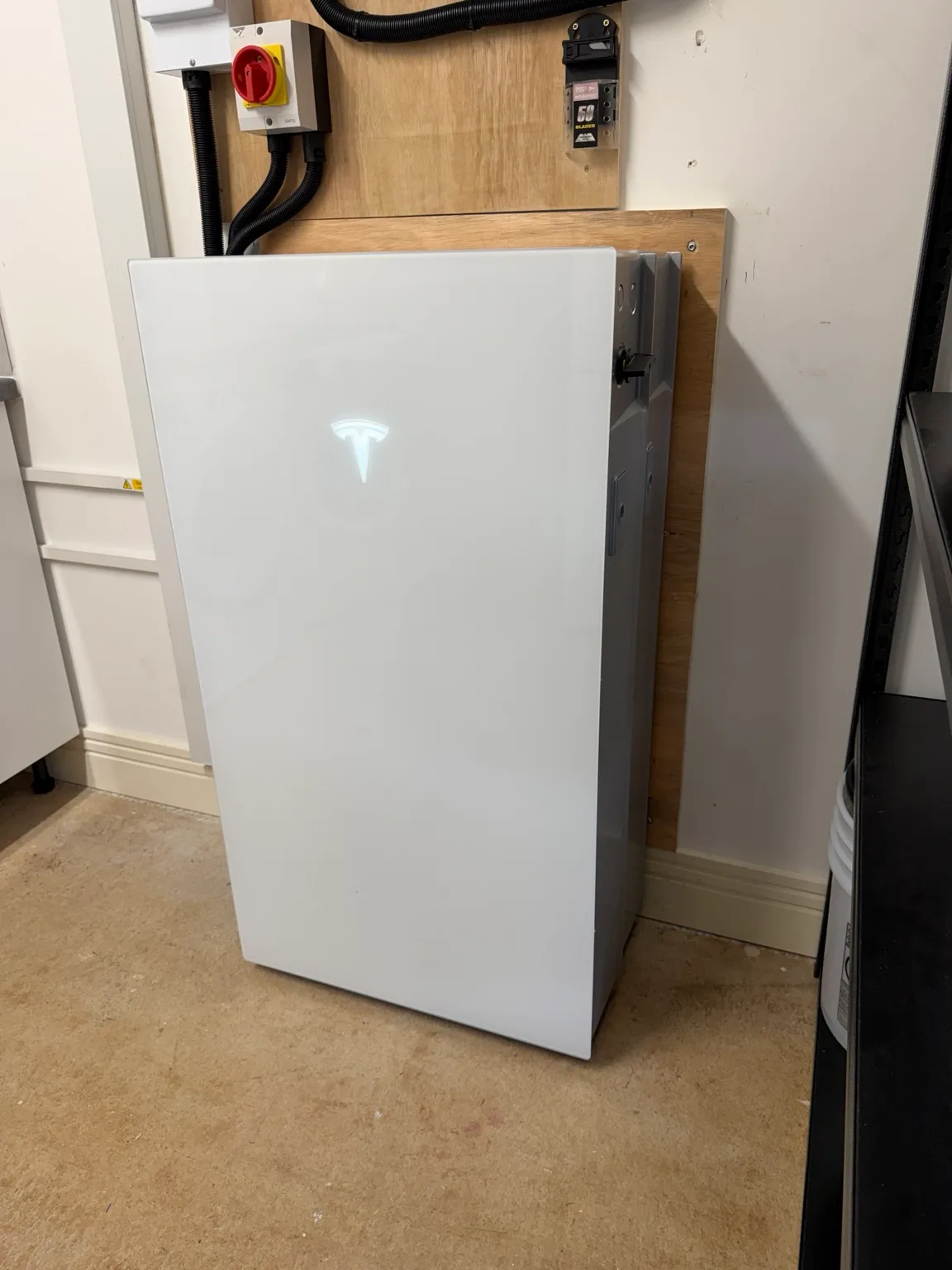
- AC-coupled and hybrid battery storage
- Wind, hydro and combined heat and power generation
- Vehicle-to-grid or vehicle-to-home equipment capable of exporting
- EV chargepoints and heat pumps under their applicable notification process
- Additions or alterations to existing generation and storage
The UK Government’s energy-device registration guidance explains the responsibilities of installers and property owners.
CAN YOU AVOID DNO PERMISSION?
A genuinely stand-alone system with no connection or parallel operating capability with the public distribution network is treated differently. However, installing an export limit or selecting a zero-export setting does not automatically remove the DNO process. If equipment is grid connected, the DNO must still be given the correct technical information and any required approval must be obtained.
Attempting to conceal generation, battery storage or an EV chargepoint can create safety, compliance, warranty and export-payment problems. A competent installer should identify the correct route before equipment is commissioned.
WHY DO YOU NEED DNO EVIDENCE FOR SOLAR PANELS?
The DNO process confirms that the proposed generating equipment and protection arrangements are suitable for connection to the local network. Export-tariff providers may request evidence of the network notification or approval alongside an MCS certificate and an export-capable meter.
The Smart Export Guarantee is administered by participating electricity suppliers—not by the National Grid. Eligibility and tariff terms are set by the chosen SEG supplier.
DIFFERENT TYPES OF DNO APPLICATIONS FOR SOLAR PANELS
The application route is primarily based on the AC characteristics of the inverter or generating equipment, together with the aggregate system connected at the premises. The DC peak capacity of the solar panels can be higher than the inverter’s AC output, so panel kWp alone does not determine whether G98 or G99 applies.
DNO G98 APPLICATIONS
G98 generally applies to a qualifying micro-generator with a registered capacity no greater than 16A per phase. On a nominal 230V supply, this is normally 3.68kW per phase: up to 3.68kW for single phase or 11.04kW across three phases, provided the installation meets the other G98 conditions.
This is commonly described as connect and notify. The installer still has to submit the correct installation information within the DNO’s required timetable. Multiple generating units, existing equipment or storage can take the overall design outside a straightforward G98 route.
DNO G99 APPLICATIONS
G99 generally applies where generation or storage exceeds the G98 limits or where the combined installation does not qualify for the simpler route. The DNO assesses the proposed capacity, protection, export, network voltage and local constraints before confirming what can be connected.
Possible outcomes include approval as proposed, approval with a lower export limit, a requirement for different protection or commissioning evidence, a quotation for network reinforcement, or a request for further technical information. Larger commercial projects have additional application and commissioning requirements.
DNO G100 APPLICATIONS
G100 is the engineering recommendation for customer export and import limitation schemes. A compliant control system measures power at the grid connection point and prevents import or export exceeding the agreed limit.
G100 can be proposed at the outset where the inverter capacity is larger than the export capacity available. It is not simply a separate application used after a G99 request has been declined. Export limitation can avoid or reduce reinforcement in some cases, but the DNO may still require supporting documents, commissioning evidence or a witnessed test.
WHAT IS G99 FAST TRACK?
G99 Fast Track provides a quicker route for certain fully type-tested combinations of small-scale generation and energy storage. The precise eligibility conditions matter: they include limits on the individual generating units, registered capacity, total basic design capacity and any factory-set or G100 export limit.
SSEN states that it aims to respond to qualifying Fast Track applications within ten working days. Approval is still required before connection, and the installer must submit the relevant commissioning documentation afterwards. See the current SSEN G99 Fast Track guidance or the requirements published by the DNO serving the property.
CAN APPLICATIONS BE SUBMITTED THROUGH CONNECT DIRECT?
The Energy Networks Association’s Connect Direct service provides a standardised online route for installers to apply for and register many low-carbon technology connections. G98, G99 and G100 forms are also still accepted where applicable. The correct submission route can depend on the DNO and the project.
DNO application checklist: from survey to handover
- Confirm the supply: identify the DNO, MPAN, supply phases and any existing generation or battery equipment.
- Agree the proposed design: record inverter models and AC ratings, battery details, protection and the intended export limit.
- Prepare the submission: your installer selects the current application or notification route and supplies the required diagrams and equipment type-test evidence.
- Review the response: confirm any export restriction, network work, charges or commissioning conditions before proceeding where prior approval is required.
- Commission and keep the records: complete the required tests and notification, then retain the connection correspondence and installation handover documents.
For an installation quote, have your postcode, recent electricity bill and existing equipment details ready. Request a solar or battery installation assessment; we can explain which information is needed for the proposed system.
THE OUTCOMES OF A DNO APPLICATION
- Approved as proposed: the requested capacity and export arrangement can proceed.
- Approved with conditions: this may include an export limit, protection settings, revised capacity or additional commissioning evidence.
- Network work required: the DNO may quote for reinforcement, a service alteration or a move from single phase to three phase.
- Further information required: missing type-test references, MPAN details, single-line diagrams or existing-system information can delay assessment.
The connection offer should be reviewed before equipment is ordered or an installation date is committed where prior approval is required.
HOW MUCH DOES A DNO APPLICATION COST?
There is no single UK-wide price. A straightforward G98 notification may have no DNO application charge, although the installer may charge for administration and certification. G99 design work, G100 equipment, commissioning tests, DNO witnessing, supply alterations and network reinforcement can create additional costs.
Renew-Able Solutions identifies the expected application and export-limitation costs in the proposal. Any DNO quotation for reinforcement or other network work is discussed with the customer before proceeding.
HOW LONG DOES A DNO APPLICATION TAKE?
A qualifying G98 system does not normally wait for a conventional pre-connection approval, but the required notification must still be completed correctly. Qualifying G99 Fast Track applications may receive a response in around ten working days. Standard G99 timescales vary with the DNO, system size, information supplied and whether network studies or reinforcement are required.
We avoid promising a fixed approval date until the DNO confirms the route. Complete equipment data, type-test references, MPAN details and a clear single-line diagram help prevent avoidable delays.
FREQUENTLY ASKED QUESTIONS
Is G98 based on the solar panel capacity?
No. The connection route is based primarily on the AC generating equipment and the aggregate installation, not only the panels’ DC peak capacity.
Does a home battery need DNO approval?
Battery storage connected in parallel with the grid must be included in the connection assessment. The correct route depends on its capacity, controls, type-test status and any existing generation.
Can G100 let me install a larger inverter?
Potentially. A G100-compliant scheme can limit export below the inverter’s installed capacity, but the DNO must assess and agree the proposal.
Can I install before G99 approval?
Equipment that follows an apply-to-connect route must not be connected or commissioned in parallel with the network until the required approval has been received.
Do heat pumps and EV chargers use G98 or G99?
Ordinary heat pumps and EV chargepoints have their own DNO notification process because they are electrical loads. Export-capable vehicle-to-grid equipment is also assessed under the appropriate generation requirements.
EXPERT SOLAR PANEL AND DNO SUPPORT
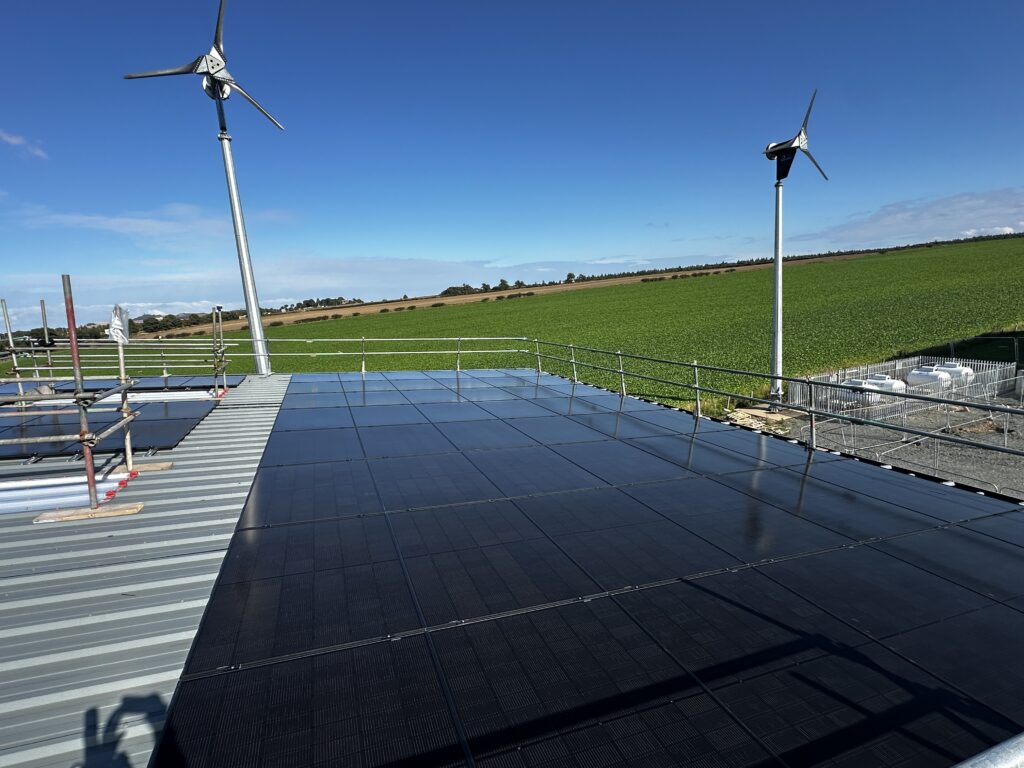
Renew-Able Solutions designs and installs solar PV, battery storage, EV chargepoints and heat pumps across Edinburgh, the Lothians and wider central and east Scotland. We assess the complete installation, prepare the relevant DNO submission and explain any export limit or network condition clearly.
Ready to discuss your property? Request a solar assessment, ask about adding battery storage, or use our commercial energy assessment for a business site. Include your postcode, existing inverter details and planned equipment so we can assess the complete grid connection.
For a shorter explanation of the standards and the difference between generation capacity and export limits, read G98, G99 and G100 explained.