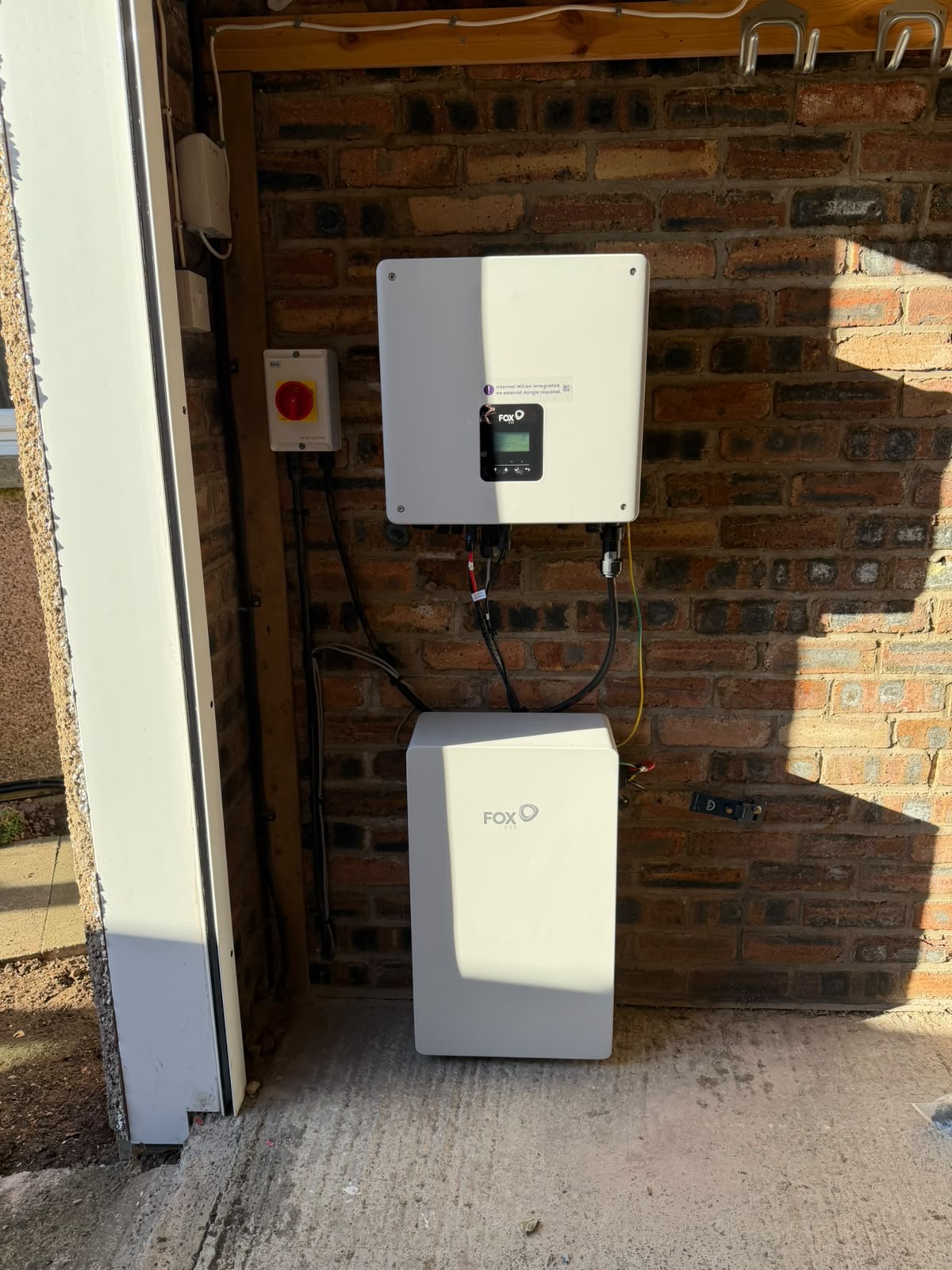
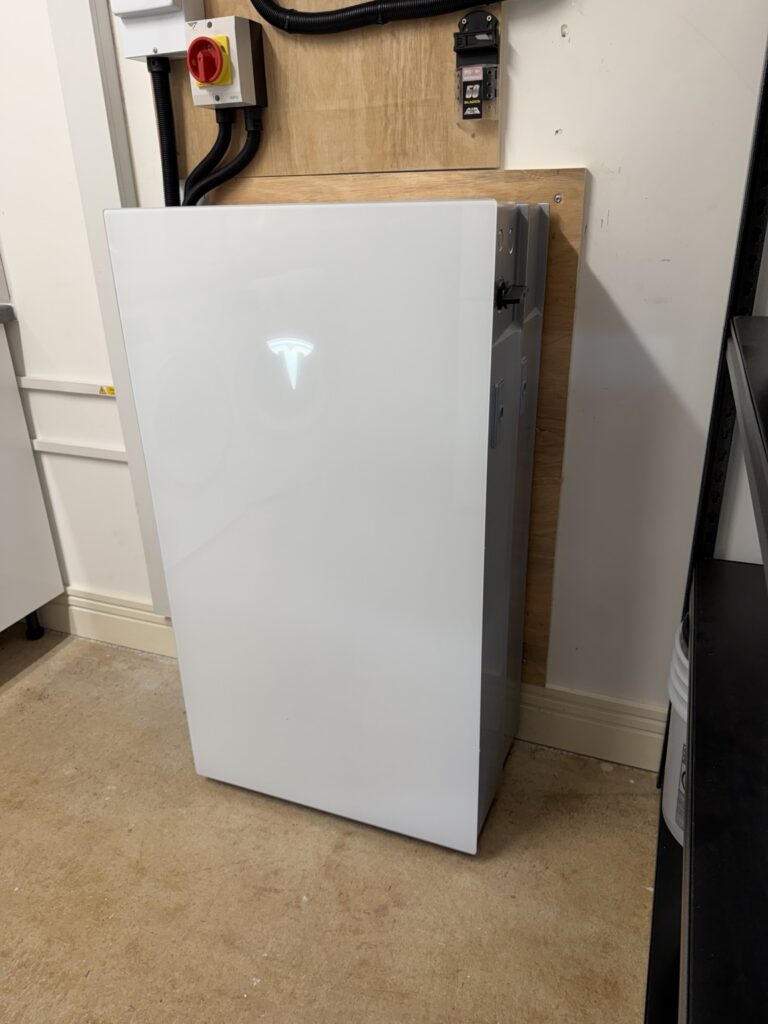
When the power goes off, most households do not need every appliance running at once. They need light, chilled food, communication and a workable routine. Planning battery backup around those priorities can be more useful than starting with the biggest storage figure.
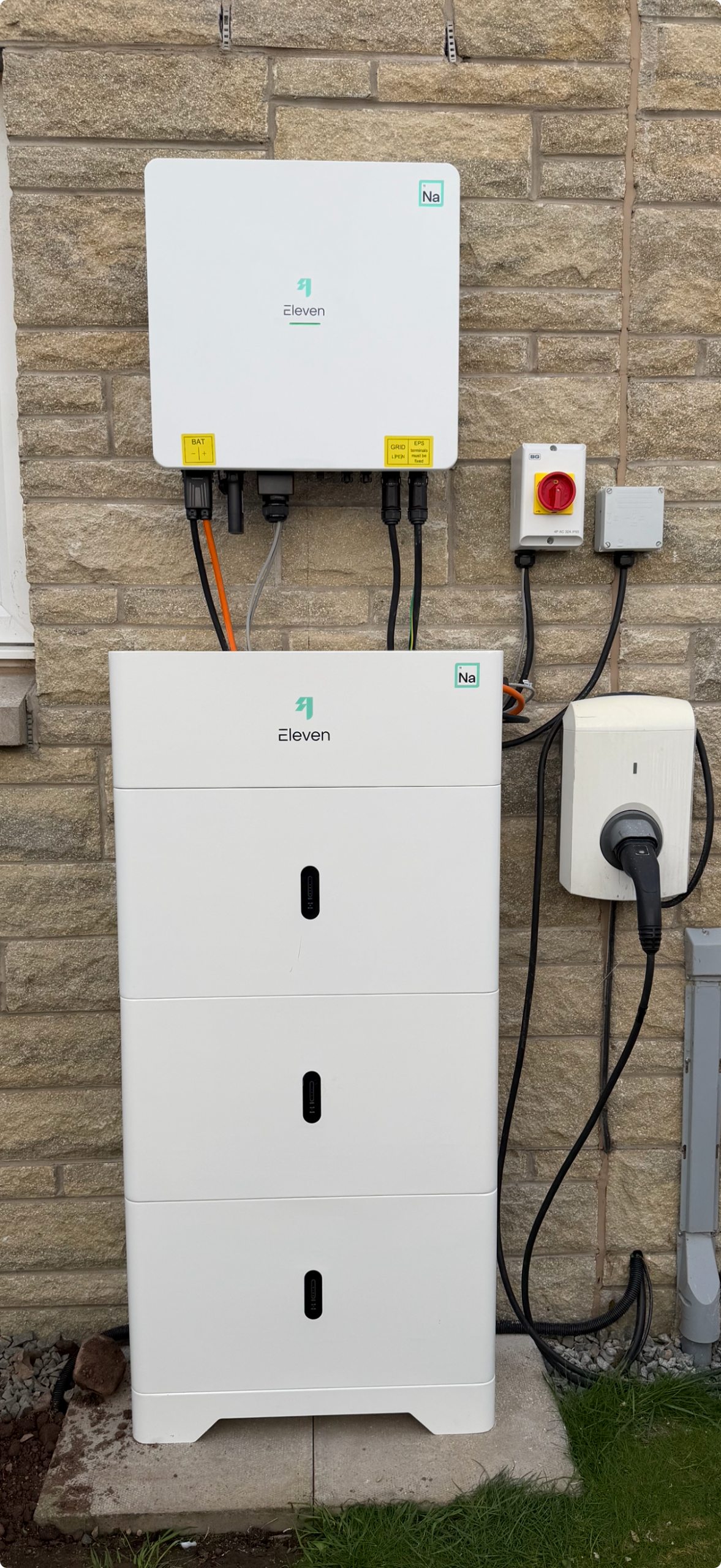
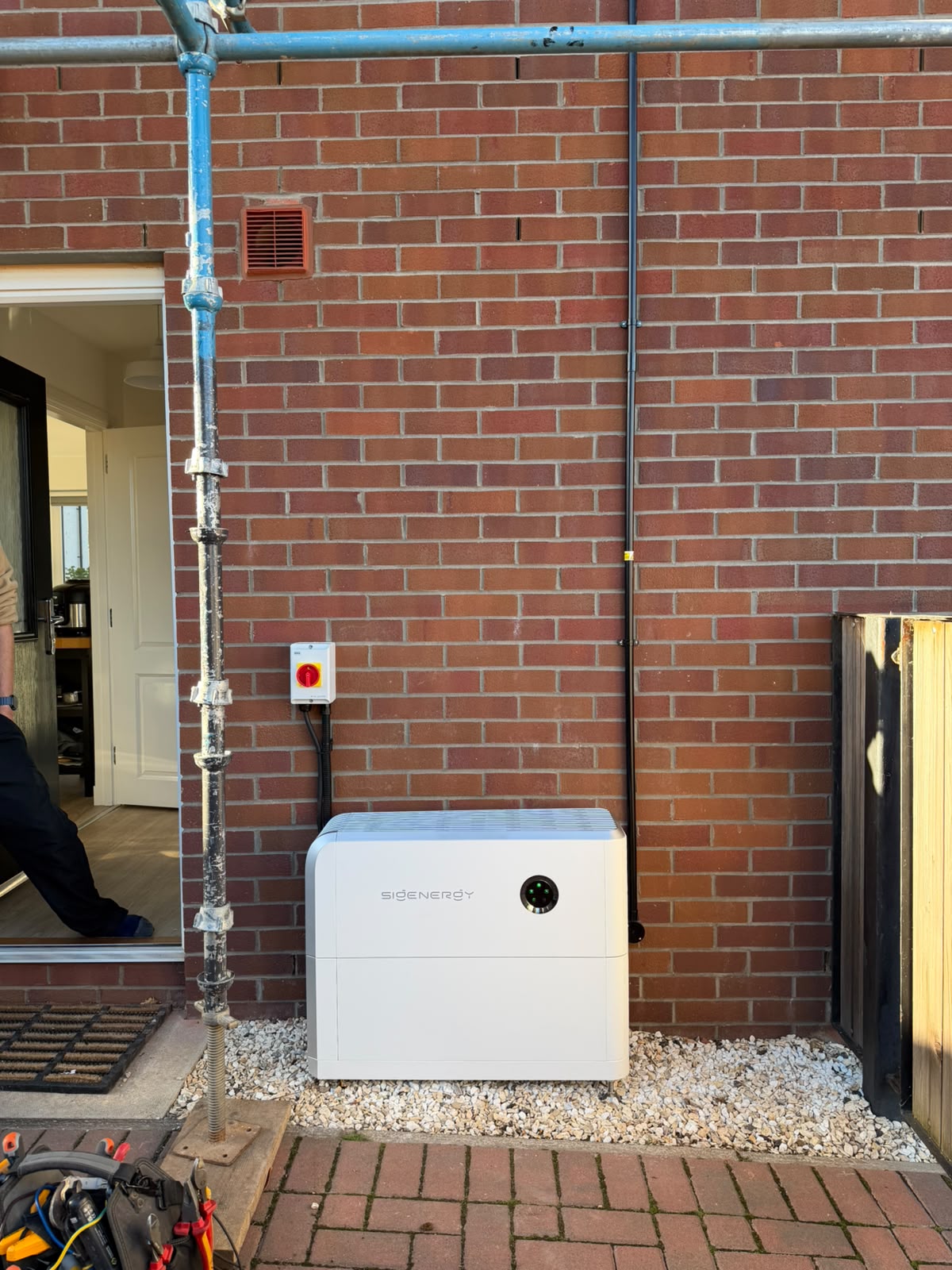
A home battery supplies outage power only when the installation includes suitable backup equipment, controls and electrical arrangements. Ordinary grid-connected solar or storage may shut down during a power cut. Backup must be an explicit part of the design.
For Edinburgh and East Lothian homes, the next question is which loads should stay on—and which can wait.
Want advice for your home? Call 0131 210 0405 or send an enquiry to Renew-Able Solutions.
Battery backup: list your essential loads first
Start with what an outage would interrupt. A fridge, a few lights and a router may matter more than an electric oven. Other households may prioritise a home-office circuit or heating controls.
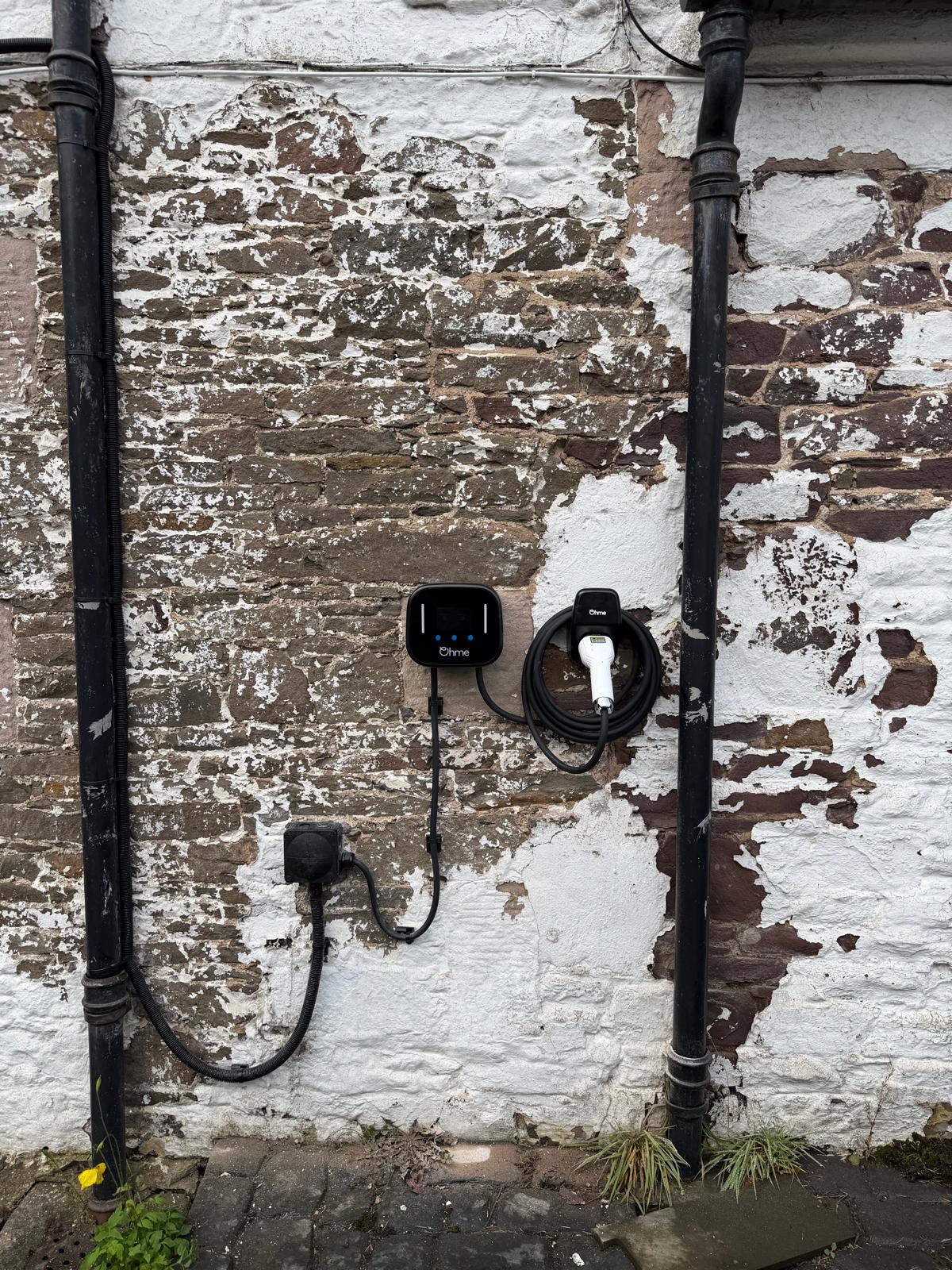
Then distinguish essential from convenient. Electric showers, EV chargers and other high-power loads can quickly change the required equipment and available runtime.
| Load | Planning question |
|---|---|
| Refrigeration | What is its average use and compressor starting demand? |
| Lighting | Which rooms and existing circuits need support? |
| Router and communications | Will the external network also remain available? |
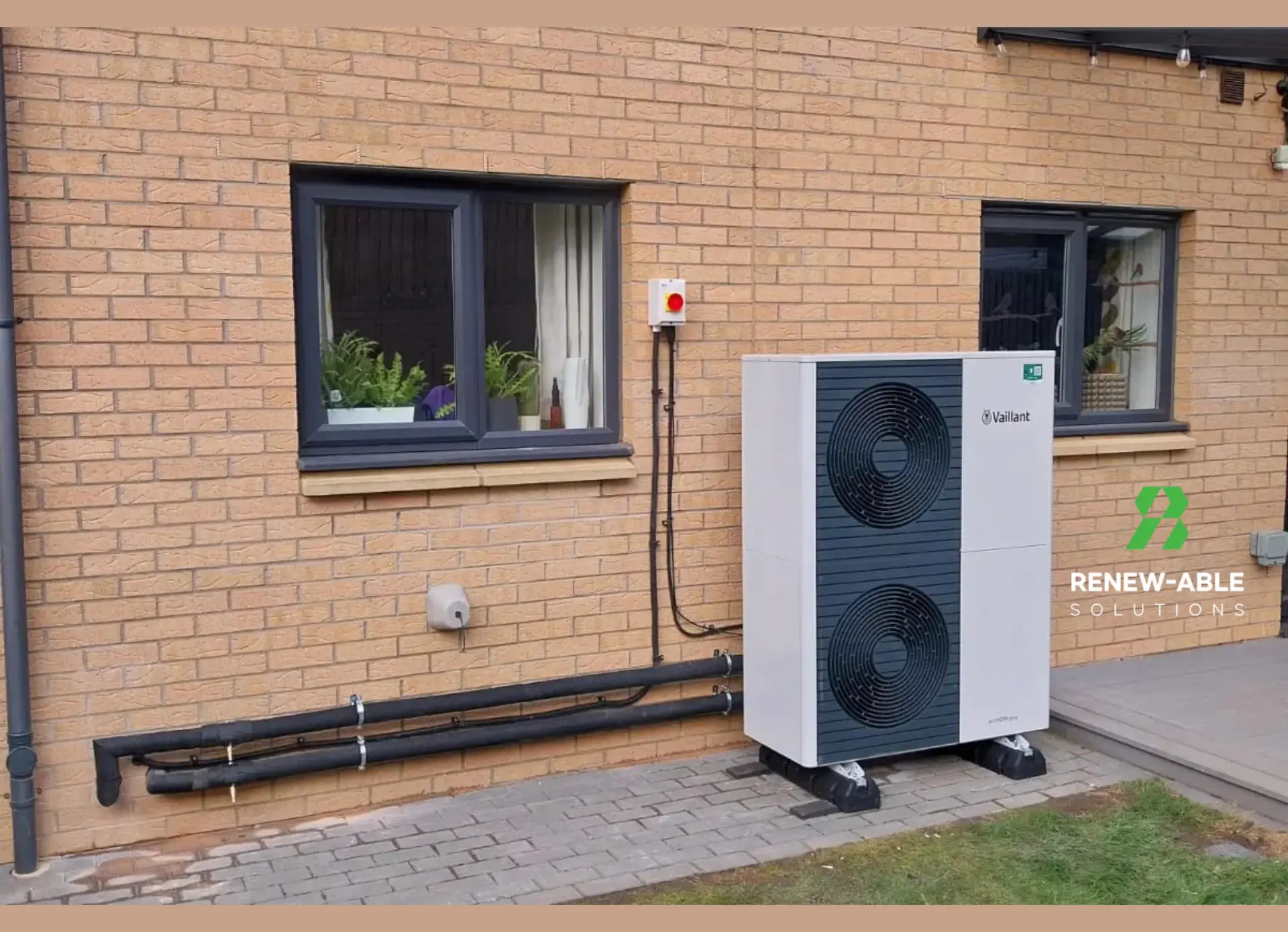
| Heating equipment | Which controls, pumps or outdoor units need power? |
| Other critical equipment | Does it require uninterrupted supply or a specialist plan? |
Do not treat a domestic battery as guaranteed life-support power. If equipment is medically critical, its supplier and the relevant professionals should define the continuity requirements.
Capacity and output answer different questions
Usable capacity in kWh tells you how much stored energy is available. Output in kW tells you how much power the system can deliver at one time.
A battery with plenty of stored energy can still have difficulty with a load that exceeds its output or starting capability. Conversely, a powerful inverter does not guarantee a long runtime from a small reserve.
Our home battery power-cut guide explains the broader requirements. Ask for the backup-mode ratings of the proposed configuration, which may differ from normal operation.
Estimate battery backup runtime and reserve
Suppose 8 kWh is available at the start of an outage. If the selected loads average 0.4 kW, simple division gives 20 hours before allowing for losses, system consumption and changing demand.
If only 4 kWh remains when the outage begins, the same calculation gives 10 hours. These are illustrative figures, not a runtime promise. Refrigerators cycle, people switch devices on and battery controls retain operating margins.
The useful question is therefore how much energy will be available when the outage starts. A battery used aggressively for tariff savings may have little charge left unless a reserve is configured.
Essential circuits or whole-home battery backup?
An essential-circuit arrangement supplies a selected part of the installation. A whole-home arrangement can offer broader coverage where the equipment and electrical design support it.
However, whole-home backup does not mean unlimited simultaneous use. The household may still need to avoid running high-power appliances together or leave some loads disabled during an outage.
Ask the designer to show which circuits receive backup, how the system changes over and how loads are managed. Circuit selection can involve electrical alterations, so include that work in the quotation.
Will the changeover interrupt my computer?
It may. Transfer behaviour varies by product and configuration, and some equipment is sensitive to even a brief interruption. Do not assume a backup battery provides the same function as a dedicated uninterruptible power supply.
Our UPS versus EPS guide explains the distinction. If uninterrupted operation matters, specify it before equipment selection and ask how it will be demonstrated.
Can solar recharge the battery during a power cut?
Sometimes, but only with a compatible islanded arrangement and appropriate controls. The system must safely separate from the grid and manage generation and demand.
Also ask what happens if the battery becomes empty. Restart behaviour varies. Solar on the roof does not by itself guarantee that the home can restart or continue running through a long outage.
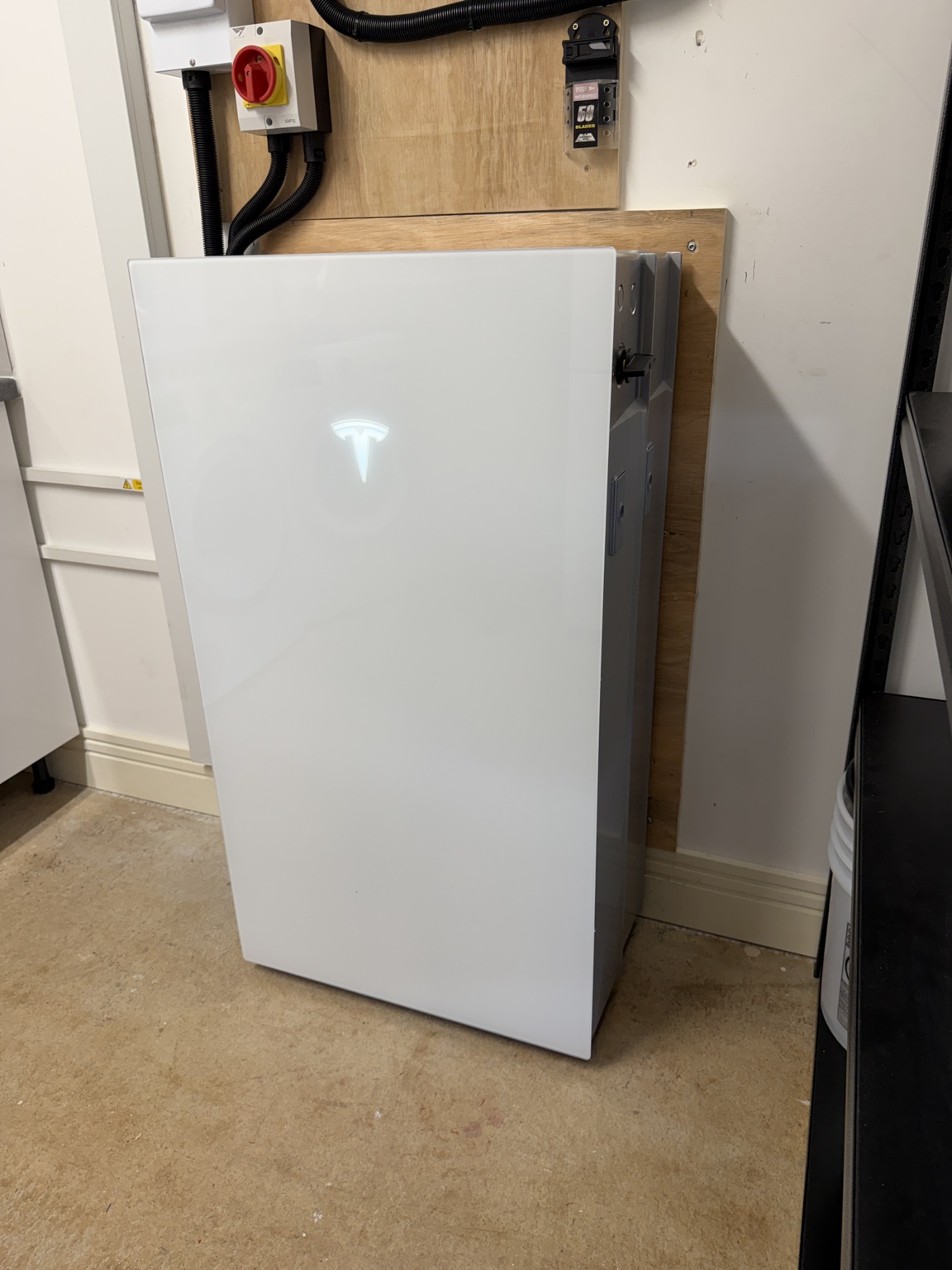
Tesla’s explanation of non-backup Powerwall installations illustrates why the installation configuration matters. A familiar battery name alone does not establish backup capability.
Include location and handover in the plan
The battery needs a suitable location and a professional electrical design. Our home battery location and fire-safety guide covers the siting discussion.
At handover, request a demonstration of the agreed backup function, the reserve setting and the expected response to an outage. Keep a simple household note showing what will remain powered and what should stay off.
That turns backup from a specification-sheet feature into a plan the household can actually use. It also makes the quotation more precise: the equipment is there to support defined needs, not an undefined promise to “power everything”.
Talk through your next step
Tell us which appliances matter during an outage and how long you want to support them. We can discuss suitable backup equipment and circuit design.
Explore our battery storage service, call 0131 210 0405 or submit an enquiry. Renew-Able Solutions serves Edinburgh, East Lothian and surrounding areas; tell us your postcode so we can confirm suitability and coverage.
Technical sources and examples checked on 3 October 2026. Illustrative figures are not quotations or guaranteed savings.