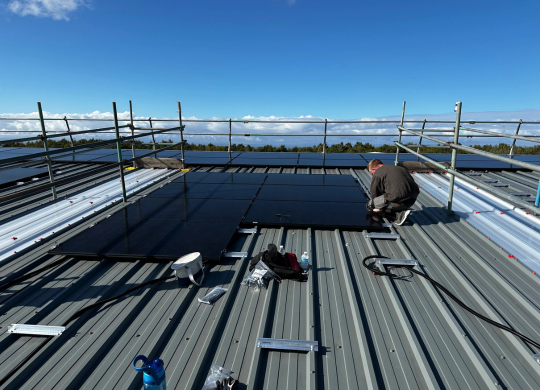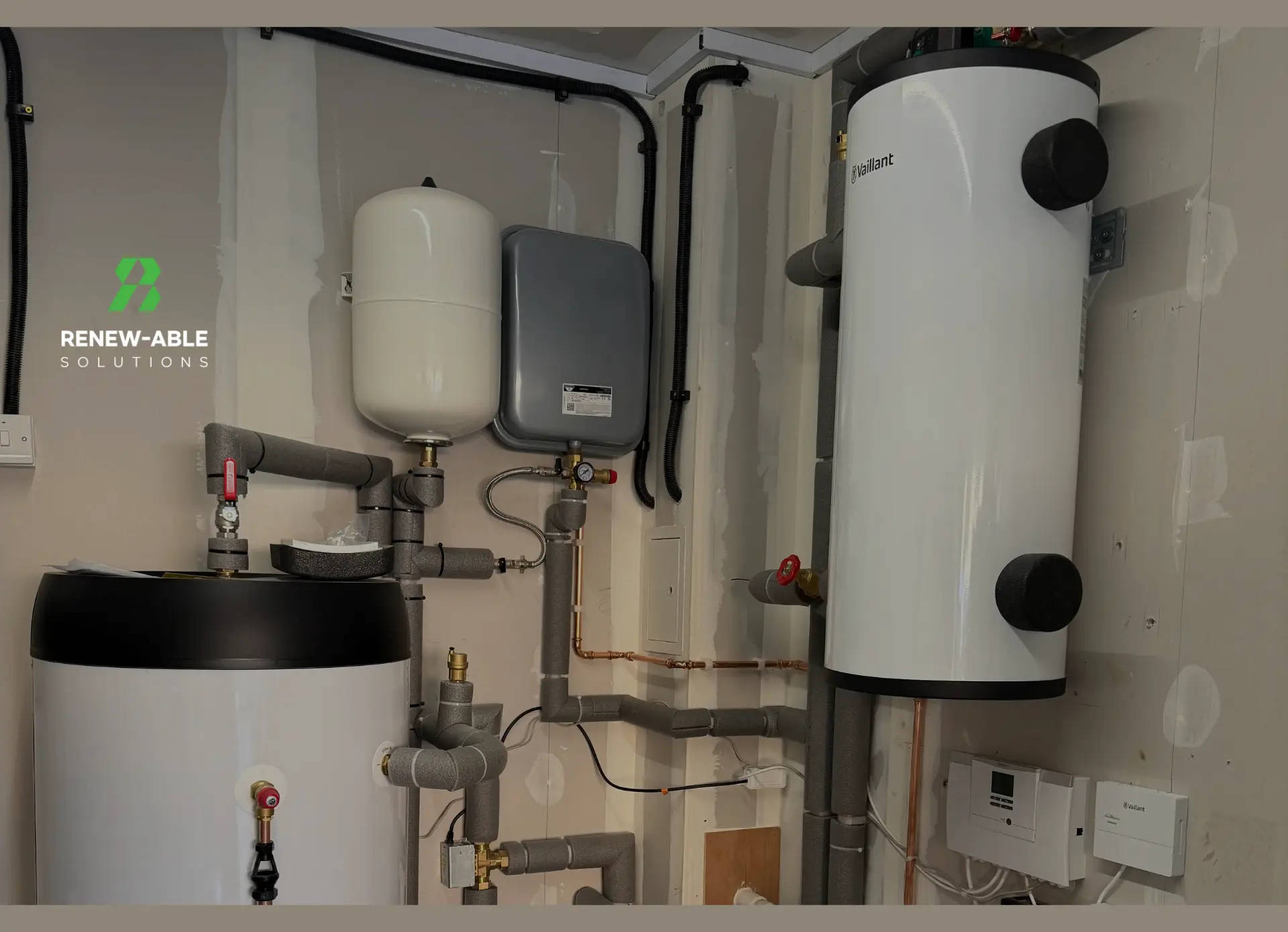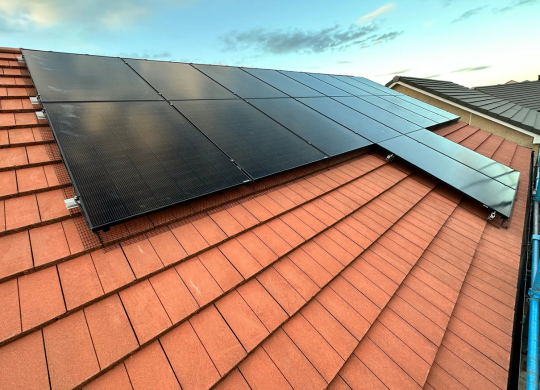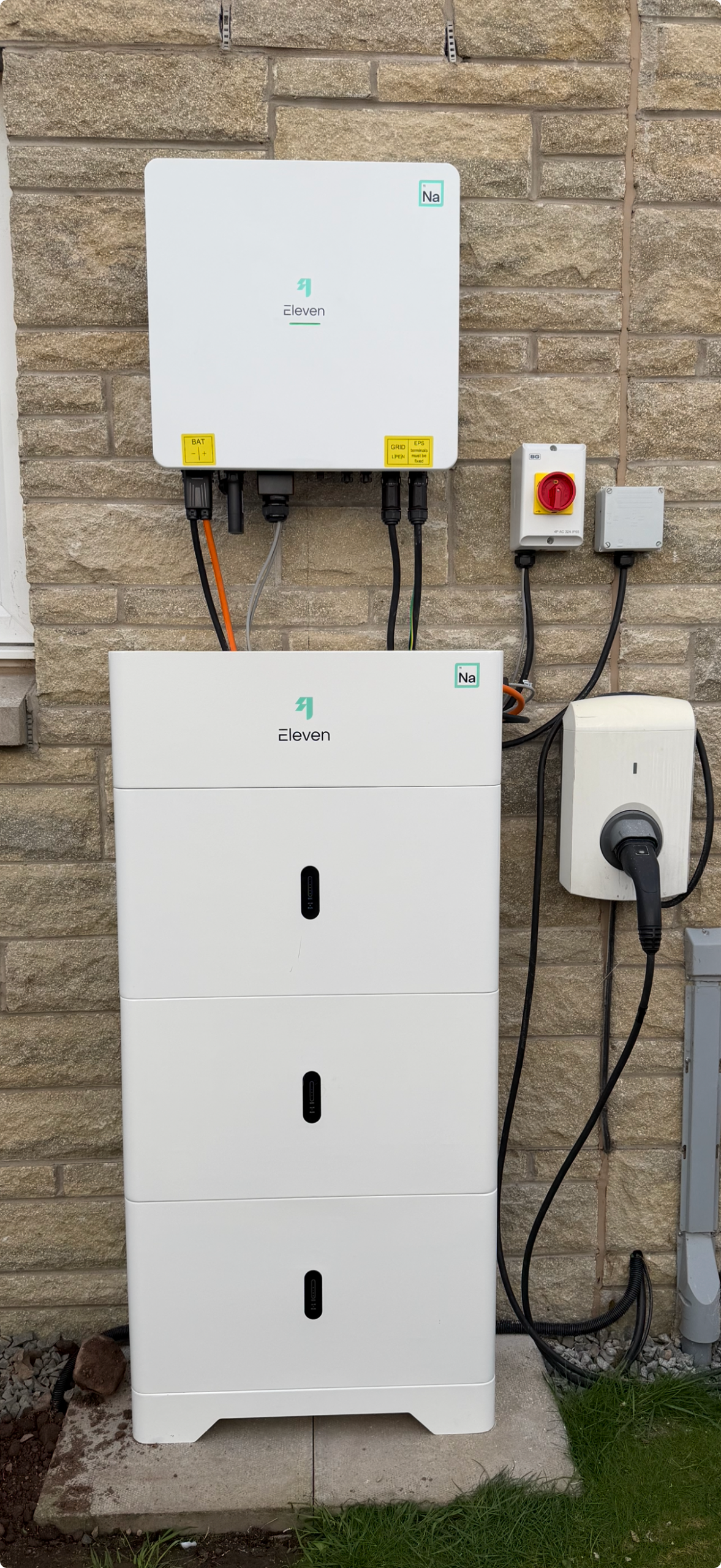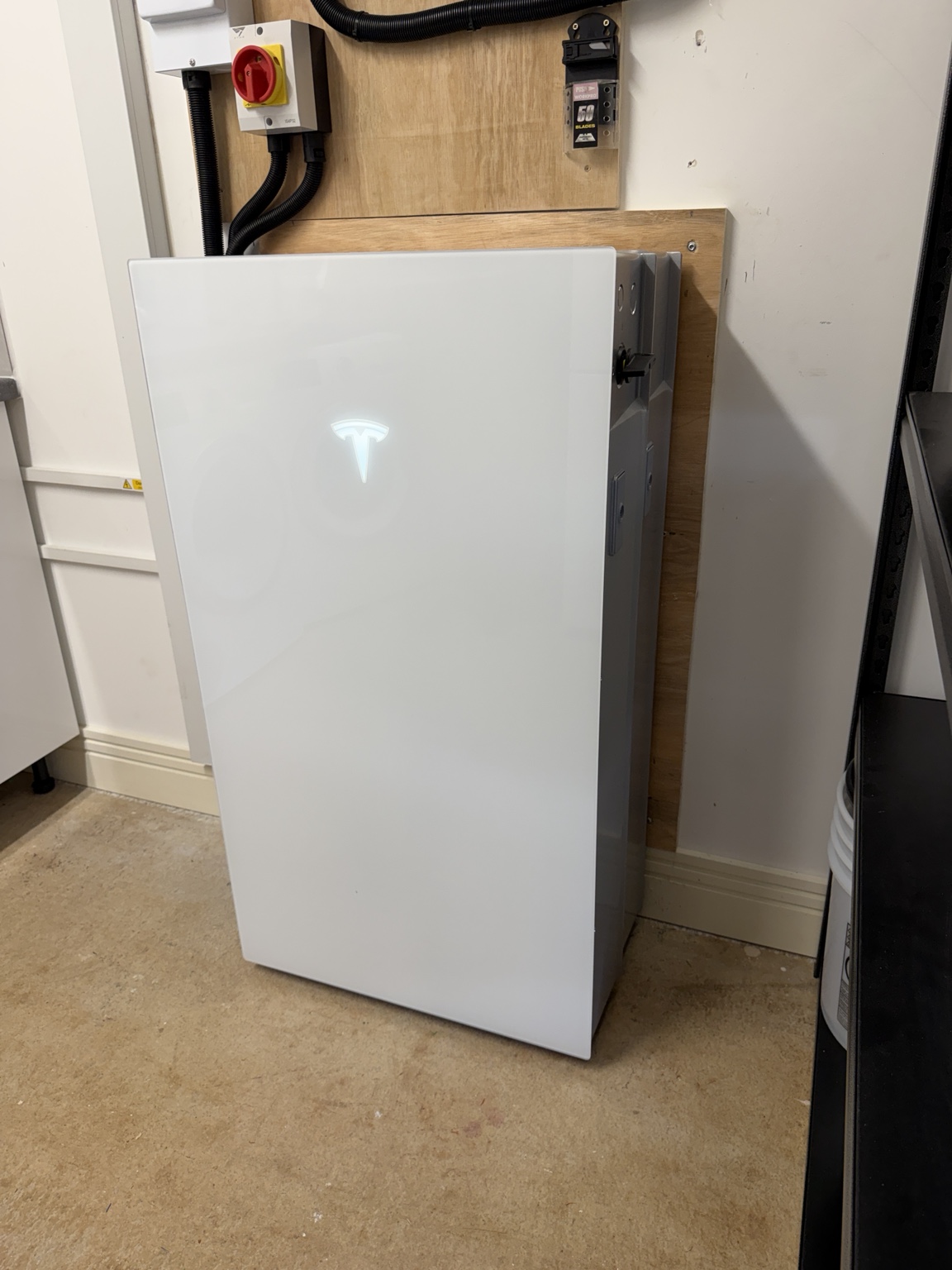
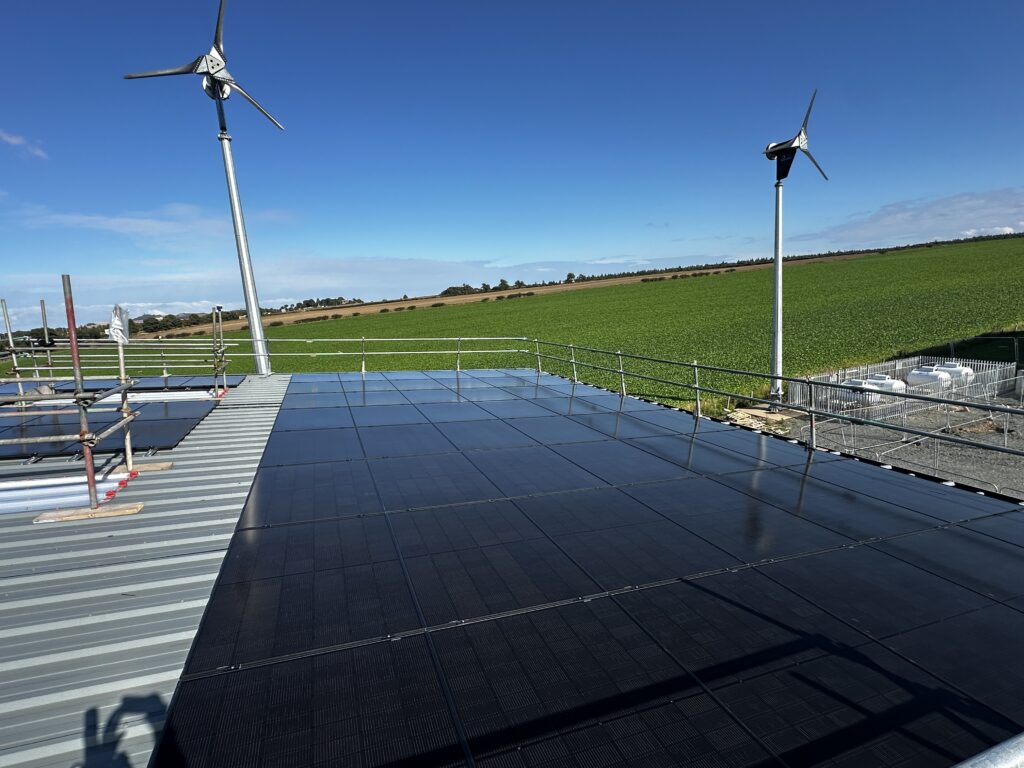
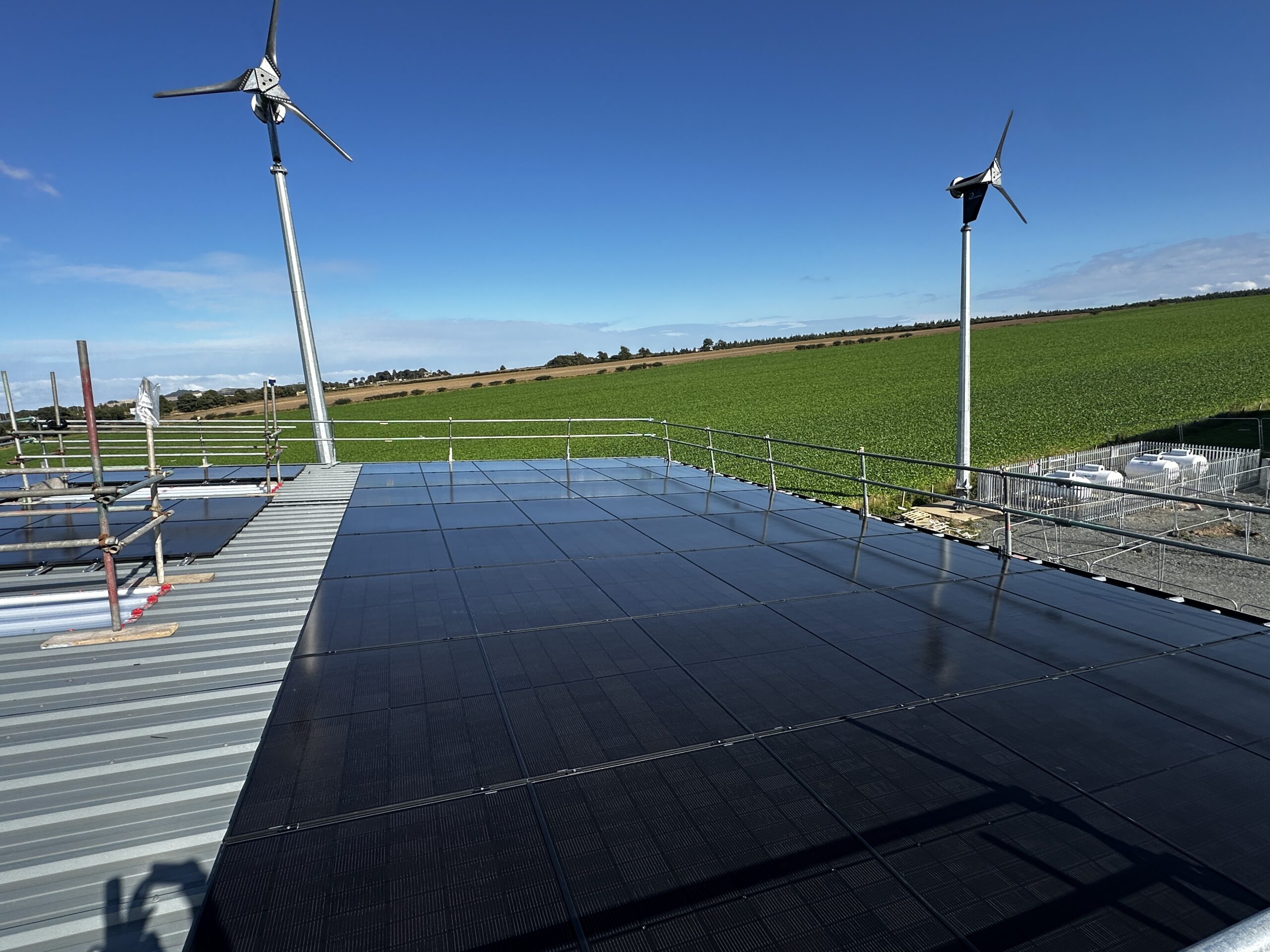
Commercial solar battery storage is optional: solar panels do not automatically need a battery. A grid-connected solar PV system can supply electricity directly to the building without a battery, with the grid covering any shortfall and accepting permitted surplus export.
Consider a battery when the site’s consumption pattern, tariffs, export position and objectives provide a clear operating purpose.
What happens without a battery?
The building uses solar electricity as the panels generate it. If the building needs more power, the balance comes from the grid. If generation exceeds demand, the system may export surplus, subject to the connection and commercial arrangements.
When does commercial solar battery storage help?
- the business can use daytime solar surplus later;
- the site has high demand after solar generation falls;
- export value is low compared with later avoided import cost;
- tariffs support an appropriate charging strategy;
- peak-demand objectives are technically achievable; or
- the business has a specifically designed resilience requirement.
When does solar battery storage add limited value?
However, a business that consumes most solar electricity as the panels generate it may have little surplus to store. An oversized battery or poor controls can also limit its use. Therefore, include efficiency losses and usable capacity in the assessment.
How Should You Assess a Commercial Battery?
Model solar generation and half-hourly demand together. The appraisal should state battery capacity and power, usable depth of discharge, round-trip losses, cycling strategy, warranty assumptions, tariffs, export and replacement planning.
Does a battery provide backup power?
Not automatically. Standard grid-connected equipment normally disconnects during a power cut. Backup operation requires compatible equipment, protected circuits, switching and electrical design intended for that purpose. Your design should also state the available power and duration.
Can a battery charge from the grid?
Many systems can, subject to equipment, tariffs, connection requirements and the agreed control strategy. However, grid charging changes the financial model and will not benefit every site.
Battery storage and G100 export limitation
An approved import or export limitation scheme may coordinate generation, storage and flexible loads. The distribution network operator must agree the connection approach, and compliant equipment does not remove the need to follow the relevant process.
Sigenergy SigenStack commercial battery storage
For a detailed equipment example, explore our Sigenergy SigenStack commercial battery storage guide. It explains 48.24–253.26 kWh configurations, larger systems, inverter power, usable energy, backup requirements and site-specific design for Scottish businesses.
Questions to ask
- What problem is the battery solving?
- How many cycles does the model assume?
- Which data supports the sizing?
- Who controls the operating settings?
- What happens during a grid outage?
- How does the proposal account for warranties and replacement?
Ask Renew-Able Solutions to assess solar and battery storage against your site’s real load profile.