Thinking about getting solar panels for your Edinburgh home is a great idea as the benefits are numerous, including prevention against electricity bills and a good move towards a renewable energy campaign. But a big worry for many people is: what if my neighbours complain after I install solar panels?
If your panels follow the official rules, your neighbours cannot legally stop you. This guide explains the rules and shows you how to make the process go smoothly.
Legal Regulations For Solar Panel Installation in Edinburgh
Solar panels are widely encouraged across Scotland as part of the renewable energy strategy, but local planning rules still apply. The important factor is whether your solar panel installation requires planning permission from the Edinburgh Council.
Permitted Development Rights
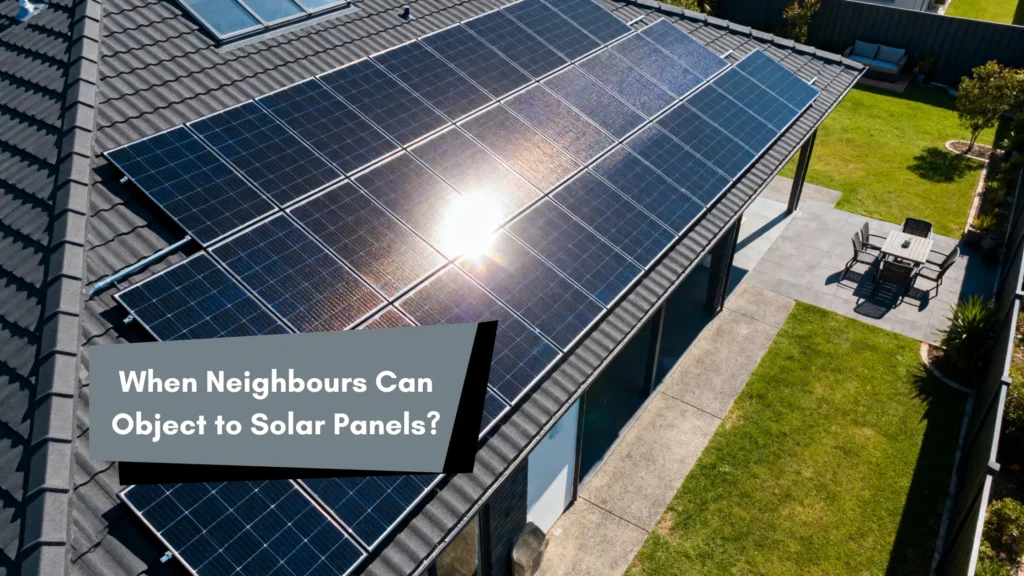
For a typical house in Edinburgh, installing solar panels on your roof is usually considered ‘Permitted Development.’ Think of this as automatic permission. You don’t have to apply for it, as long as you stick to some basic rules. The main rules are:
- The panels should not stick out very far from your roof.
- On a sloped roof, they shouldn’t be higher than the roof’s highest point.
- The goal is to make them look as tidy and part of the house as possible.
If your plan fits these rules, your neighbours are not legally allowed to object. They might not like how it looks, but the law says you can do it.
Planning Permission Required
Edinburgh is a special city with lots of history. Because of this, some homes have extra protections. You will likely need to apply for formal planning permission if:
- Your house is a listed building, which means officially recognised as historically important.
- You live in a conservation area or a World Heritage Site, as this covers much of the beautiful old town and new town.
- You live in a block of flats or a tenement.
This is when neighbour opinions matter to the council. If you need planning permission, the council will ask people living nearby for their comments. The council must listen to these objections. They will then decide if your panels would harm the area’s special character.
When Neighbours Can Object to Solar Panels?
Neighbours can object when the Edinburgh Council issues a planning application consultation. Keep in mind, objections based purely on dislike or perceived reduction in property value carry little weight. The council focuses on planning matters such as appearance, heritage protection, and environmental impact. Here’s when objections are relevant:
Properties in Conservation Areas
Edinburgh has many historic streets and conservation areas. If solar panels are highly visible from public spaces, neighbours can submit their concerns.
Listed Buildings
For listed buildings, council approval is stricter. Neighbours may raise concerns about visual impact or changes to architectural heritage.
Ground-Mounted or Large-Scale Installations
If panels are installed in gardens or on large commercial buildings, neighbours may object based on visual impact or shading.
The Planning Application Process
If your solar panel installation in Edinburgh requires planning permission, here’s what happens:
Step#1: Application Submission
You have to submit plans online via the Edinburgh Council Planning Portal. Add detailed diagrams, photos, and supporting documents.
Step#2: Public Consultation
The council publishes your application, allowing neighbours and other stakeholders to comment or object.
Step#3: Council Assessment
Planning officers review the application alongside objections. Decisions are based on policies, guidance, and technical compliance, not on personal dislike.
Step#4: Decision
Approval is granted if your installation complies with regulations, even if objections are raised. Minor adjustments may be requested to mitigate concerns.
The usual turnaround for simple residential applications is about 8 weeks.
What Happens If Neighbours Object on Your Solar Panel?
Even if neighbours formally object, this doesn’t automatically block your project. Edinburgh Council weighs objections alongside planning policy. Most solar panel applications are approved if:
- The panels meet permitted development criteria.
- The installation respects heritage and conservation guidelines.
- Visual impact is minimal or mitigated by design choices.
Objections are more likely to prompt discussion or minor adjustments than a full rejection.
How to Prevent Neighbour Disputes
Neighbours cannot usually stop you, as good communication helps. This approach reduces the risk of formal complaints and builds goodwill, especially in shared streets or close-knit areas.
- Inform neighbours about your plans before starting.
- Explain that panels are low-profile, environmentally friendly, and won’t damage property.
- Show the layout and design to reassure them.
Final Verdict
The simple rule is that if your panels fall under ‘Permitted Development’, your neighbours don’t have legal grounds to stop you, even if they don’t like it. The only time their objections officially matter is if you need planning permission because your house is listed, in a conservation area, or is a flat.
In those cases, the council considers neighbour comments as part of their decision. Either way, a friendly chat with them first is always the best way to avoid problems.