Most Scotland homeowners with solar expect summer to be their best season. And it is, until the inverter starts cutting out on the clearest days of the year.
It feels like a fault, but in most cases it is not. Summer creates a specific set of conditions that push inverters to their limits, and understanding why is the first step to fixing it.
What Does Tripping Actually Mean?
When your solar system trips, your inverter disconnects from the grid and stops generating.
It can last a few seconds or several minutes. Some homeowners notice it on their monitoring app. Others only spot it when their generation figures look lower than expected for the day.
Most trips are protective responses, not failures, but they still cost you generation time on the days that matter most.
Why Summer Specifically Causes More Trips
Winter trips are rare. Summer trips are common. The reason comes down to conditions that only align during peak generation months.
Grid Voltage Rise
This is the most common cause and it catches most homeowners completely off guard.
When hundreds of solar systems in your area generate simultaneously on a sunny afternoon, the voltage on your street rises. UK regulations require inverters to disconnect when voltage exceeds 253V (110% of the 230V nominal).
Your inverter is not broken. It is doing exactly what it is designed to do. The problem is your local grid, not your equipment.
Why solar systems shut down more often in Edinburgh covers this in detail, including what Scotland homeowners can do to reduce how often it happens.
Inverter Overtemperature
Inverters generate heat during operation, and summer ambient temperatures push them closer to their thermal limit.
Most inverters are rated to operate up to 45 to 55°C. A unit installed in a south-facing loft or a poorly ventilated cupboard can exceed this on a warm July afternoon, triggering an automatic shutdown to protect the electronics.
We see this regularly on summer service visits, particularly on installations where ventilation was not considered at the time of installation.
If overtemperature is your specific issue, solar inverter shutting down in hot weather covers the causes and fixes in full detail.
Export Limitation Curtailment
If your system is subject to a DNO export limit, your inverter must reduce output when that limit is reached.
On a high-generation summer day, a system that normally exports comfortably within its limit can breach it within hours.
When the inverter cannot reduce output cleanly, it disconnects rather than exceed the agreed limit.
Does the Edinburgh grid limit solar exports explain how export limits are applied and how to apply for a higher allowance if curtailment is affecting your system regularly.
Grid Frequency Deviations
The UK grid runs at a target frequency of 50 Hz. Your inverter monitors this constantly and disconnects if it drifts outside 47 to 52 Hz.
During periods of high national renewable generation, which increasingly coincides with Scotland’s best summer days, frequency deviations become more common.
This is a grid-level event entirely outside your control. It resolves itself quickly but can cause multiple brief trips on the same afternoon.
RCD and Protection Device Sensitivity
Heat affects the sensitivity of RCDs and protection devices, making them more likely to trip under conditions they would tolerate in cooler months.
An RCD that is functioning correctly in winter may become more sensitive as temperatures rise. If your trips are accompanied by a loss of power to part of the house rather than just the solar system going offline, an RCD trip rather than an inverter disconnect is the more likely cause.
Annual servicing includes protection device testing specifically because of this seasonal sensitivity.
How to Tell Which Cause Is Affecting Your System
The pattern of your trips tells you a lot about the cause.
| Trip Pattern | Most Likely Cause |
| Trips at midday on sunny days, clears within minutes | Grid voltage rise |
| Trips on hot afternoons, inverter warm to touch | Inverter overtemperature |
| Trips when generation is highest, export drops before trip | DNO export curtailment |
| Brief multiple trips same afternoon, no clear pattern | Grid frequency deviation |
| Trip accompanied by house power loss | RCD or protection device |
Your inverter’s monitoring app or event log is the most useful diagnostic tool. Most inverters record the reason for each disconnect, and reviewing this log is the first thing any qualified engineer will do.
Why solar panel output varies day to day helps you separate trip-related generation losses from normal weather variation in your monitoring data.
What You Can Actually Do About It

Most summer trips can be significantly reduced with the right interventions.
Adjust Inverter Voltage Settings
Many inverters leave the factory with conservative voltage thresholds that do not make full use of the permitted operating range.
A qualified engineer can widen the disconnect threshold within DNO-approved limits, meaning your inverter tolerates higher street voltage before tripping.
This single adjustment resolves voltage-rise trips for many Scotland homeowners without any hardware changes.
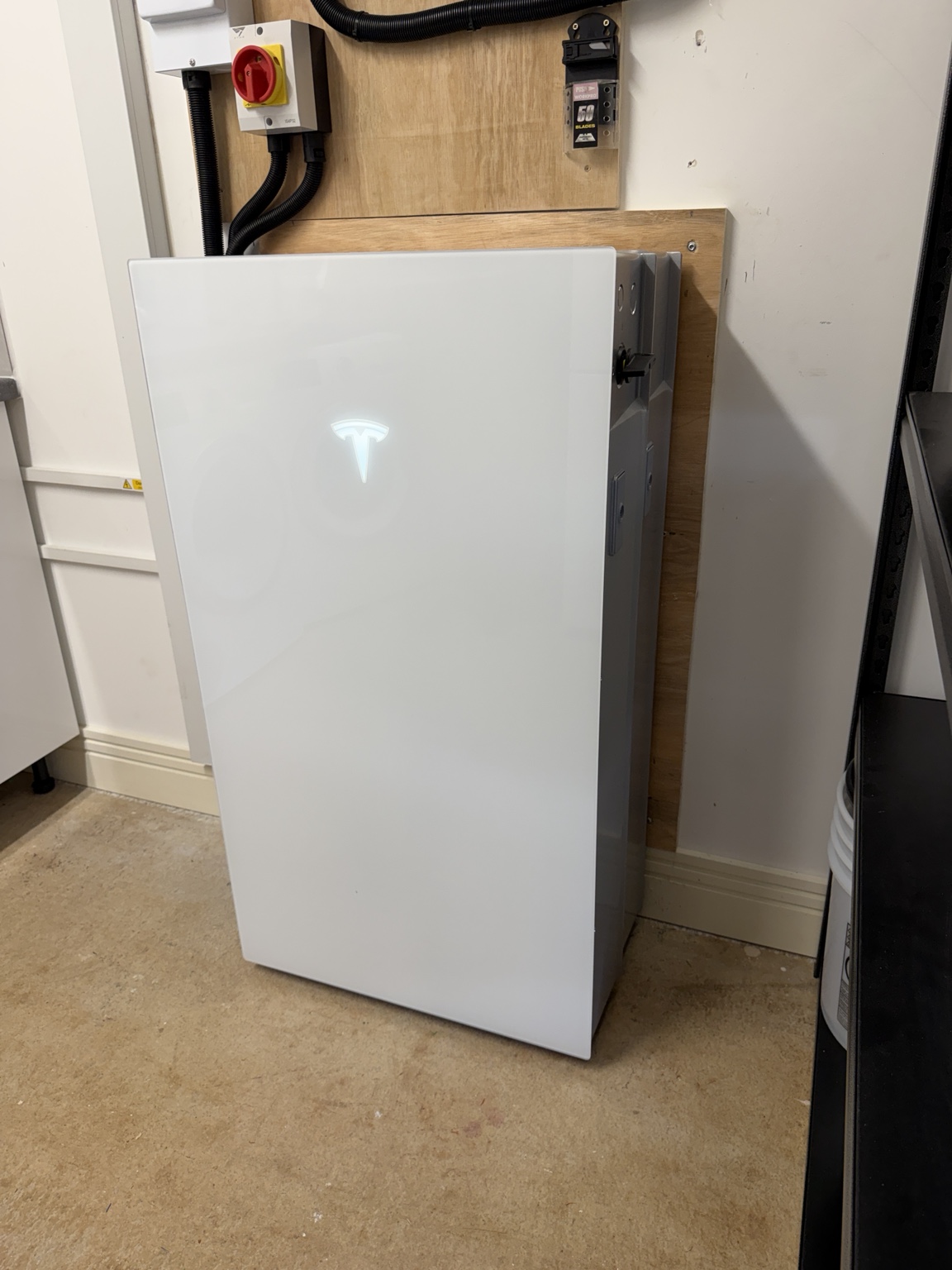
Add Battery Storage
A battery absorbs surplus generation before it pushes street voltage up, directly reducing the frequency of voltage-rise trips.
It also provides a buffer that keeps your system generating during brief grid disturbances rather than tripping and waiting to reconnect. Home battery storage covers how battery storage interacts with inverter behaviour and grid conditions in practice.
Improve Inverter Ventilation
If overtemperature is the cause, improving airflow around the inverter unit resolves it.
This might mean relocating the unit, adding ventilation to the installation space, or simply clearing obstructions that have accumulated around it. It is a low-cost fix when caught early.
Apply for a Higher Export Limit
If DNO curtailment is triggering trips, your installer can apply to Scottish Power Networks for a higher export allowance.
This is a formal application process governed by G98 and G99 regulations. Understanding G98, G99 and G100 explains the framework and what is involved in applying for a higher limit.
Book a Summer Service Check
If your system is tripping regularly and you are unsure of the cause, a qualified engineer can review the inverter event log, test protection devices, check ventilation, and confirm your export settings in a single visit.
According to the MCS, all solar PV systems should be maintained by an MCS-certified contractor to ensure safe and compliant operation. A service visit in early summer, before peak generation season, is the most effective time to catch and resolve issues before they cost you weeks of lost generation.
Conclusion
Summer trips are frustrating precisely because they happen on your best generation days. The good news is that most causes are identifiable and fixable without replacing any major components. Voltage rise and inverter overtemperature account for the majority of summer trips we see in Scotland, and both respond well to targeted interventions.
Frequently Asked Questions
Is my solar system broken if it keeps tripping in summer?
Not necessarily. Most summer trips are protective disconnects triggered by grid voltage, temperature, or frequency conditions rather than equipment faults. Check your inverter event log for the disconnect reason before assuming a fault.
How long does a trip last?
Most voltage-rise and frequency trips clear within 1 to 5 minutes once grid conditions normalise. Overtemperature trips may take longer as the inverter needs to cool before reconnecting.
Will my warranty cover summer trips?
Protective disconnects are normal inverter behaviour and are not warranty events. If the inverter is disconnecting due to a hardware fault rather than a grid or temperature condition, that is a separate matter covered under the manufacturer’s warranty.
Can I stop my inverter from tripping without an engineer?
You can check that your inverter ventilation is clear and that nothing is blocking airflow around the unit. Voltage and export settings require a qualified engineer to adjust safely within DNO-approved parameters.
How many trips per day is too many?
One or two brief trips on a peak summer afternoon is not unusual in Scotland. If your system is tripping more than three or four times daily or trips lasting longer than ten minutes, it is worth having an engineer review the event log and settings.