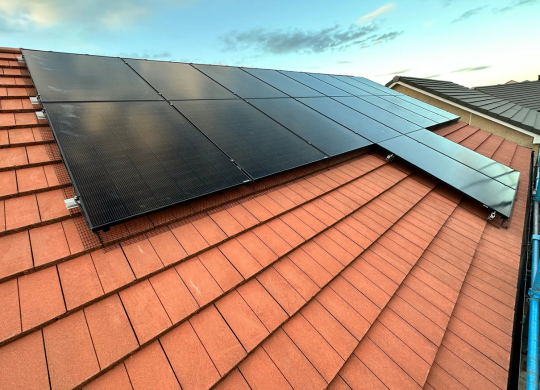
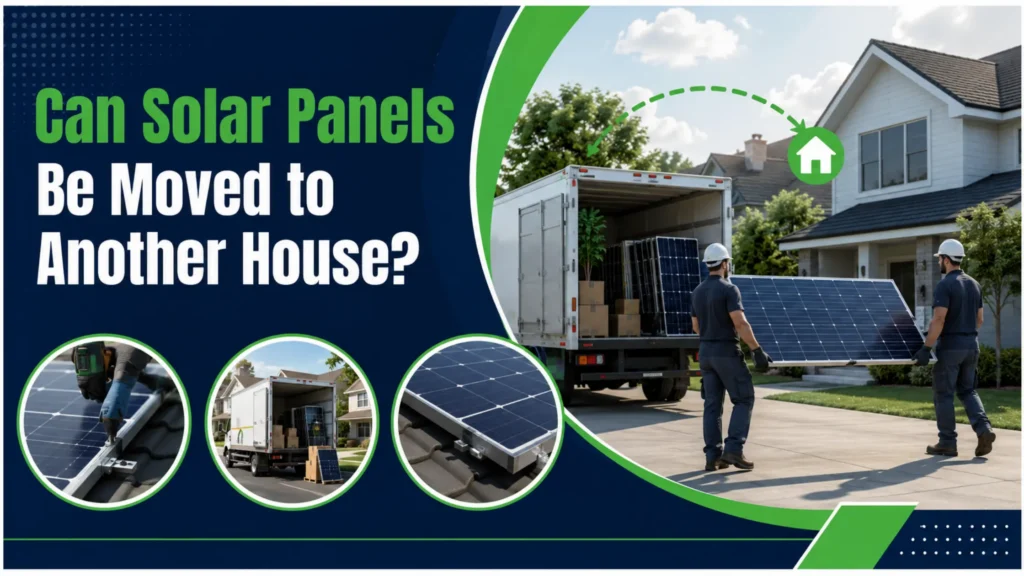
Moving solar panels to another house is technically possible, but it may not be the most practical or economical choice. Before deciding, compare removal and reinstallation with a new system. Both roofs, equipment ownership, warranties and grid requirements matter.
Is It Physically Possible to Move Solar Panels?
Yes. Solar panels can be uninstalled, transported, and reinstalled on a new property.
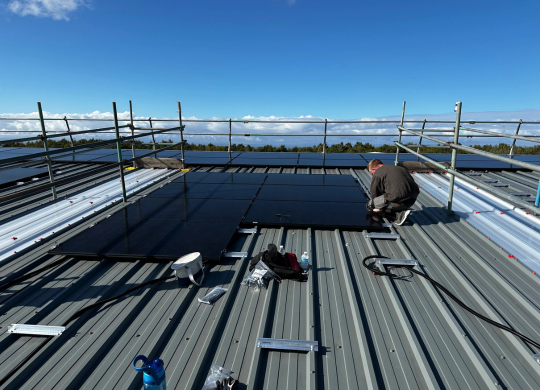
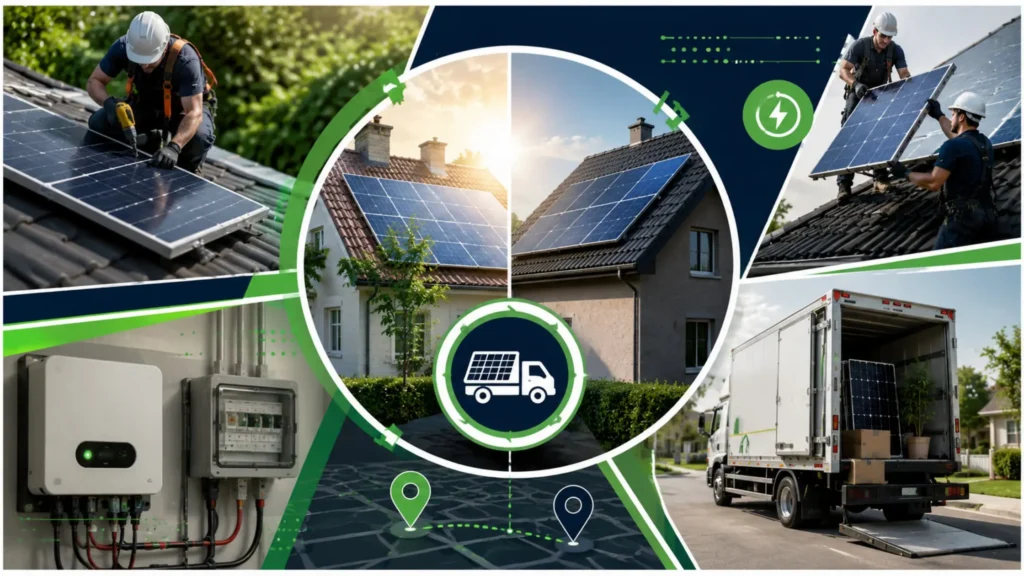
They are not permanently fixed in a way that makes removal impossible. The process involves disconnecting the system, removing mounting hardware, lifting panels off the roof, and reinstalling everything on the new property.
The question is not whether it can be done. It is whether it should be done.
Why Moving Solar Panels Rarely Makes Financial Sense
The Cost of Removal and Reinstallation
Removing a solar system and reinstalling it on a new property is not cheap.
There is no reliable fixed price for relocation. A contractor must assess both properties before quoting. The work may include scaffolding, electrical isolation, careful removal, roof repairs, transport, new mounting equipment, electrical testing, a new DNO process and, where applicable, new MCS certification. Once these items are included, a new solar PV system designed for the new property may offer better value.
Your Panels Add Value to the Property You Are Selling
There is no fixed UK figure for the value solar adds to a property. Any uplift depends on system ownership, age, condition, output, documentation, energy prices and the priorities of the buyer. A working, fully owned system with clear MCS, warranty and monitoring records can be attractive, but a specific increase in sale price should not be assumed.
Removing panels can also create additional roof work and may reduce the property’s appeal to an energy-conscious buyer. Compare a written removal and relocation quotation with the option of leaving the system in place, and discuss the ownership and sale implications with your solicitor and estate agent.
Secondhand Panel Value is Lower Than You Think
Solar panels normally lose output gradually over time, but age alone does not make a panel unsuitable. The remaining output, physical condition, warranty terms and compatibility with the proposed new design all matter.
A buyer purchasing a second-hand system is taking on panels with a shortened warranty life and reduced performance. The market price for used solar panels reflects this, and what you recover rarely justifies the removal cost.
Understanding solar degradation explains how panel output declines over time and why age significantly affects secondhand value.
The New Property May Not Be Suitable
Your old system was designed for your old roof, orientation, and shading profile.
The new property may have a different pitch, orientation, or available roof space that makes the existing system a poor fit. Forcing an ill-matched system onto a new roof is unlikely to deliver the generation performance the system was originally designed for.
When Does Moving Panels Actually Make Sense?
There are specific situations where relocation is worth considering.
Brand new panels on a system less than one or two years old. The panels retain most of their value and warranty life, and the financial case is stronger.
Moving to a property with good solar potential and a compatible roof. Even then, starting fresh with a system designed for the new roof may be the better approach. Are solar panels worth it in Edinburgh explains the factors that make a property a good candidate for solar.
The buyer of your current property does not want the panels. This is rare but does happen. If the sale falls through without panels and the panels have genuine remaining value, relocation becomes more viable.
What Happens to Your MCS Certificate and Export Tariff?
This is one of the most overlooked complications of moving a solar system.
MCS Certification
Your existing MCS certificate is specific to the installation address.
The original certificate cannot simply be transferred to another address. If the relocated system is to be MCS certified at the new property, it must be designed, installed and commissioned by an MCS-certified contractor and meet the requirements that apply to the new installation. The contractor must also confirm whether the reused equipment can be covered. Solar panel grants and funding in Scotland explains why MCS documentation matters for several consumer and export arrangements.
Smart Export Guarantee
Your current SEG agreement is linked to the registered account, electricity meter and installation at the existing address.
It cannot simply move with you to a different property. The buyer of the existing home will normally need to make their own application, and a relocated system at the new address will require a separate application supported by the documents requested by the chosen SEG supplier. Smart Export Guarantee explains the usual registration process and documentation.
DNO Notification
The new installation requires its own grid-connection process with the local Distribution Network Operator. For Edinburgh and East Lothian this is normally ScottishPower Energy Networks. The route depends on the equipment and proposed export: eligible G98 installations are notified under the G98 process, while G99 systems require approval before connection. Export limitation under G100 may also be relevant. Our guide to DNO, G98, G99 and G100 explains the differences.
The installer must follow the correct route and timing for the proposed system rather than assuming the original property’s notification or approval can be reused.
What Should You Do Instead?
For most homeowners, the better approach is straightforward.
Consider leaving the panels with the property and presenting the system clearly as part of the sale. Provide evidence of ownership, MCS and DNO documents, warranties, monitoring information and service records so the buyer can understand what is included.
Compare relocation with a new system designed for the new property. A property-specific design can account for the new roof, shading, electricity use, battery plans, EV charging and the local grid connection. Renew-Able Solutions provides solar PV surveys and installation across Edinburgh, East Lothian and wider Central and East Scotland.
How much do solar panels cost in Edinburgh gives a detailed breakdown of current installation costs if you are considering starting fresh.
What Happens to the Warranty if Panels Are Moved?
Solar-panel warranty terms vary by manufacturer, product and installation date. Performance warranties are often long, but product warranties, installer workmanship cover and insurance-backed guarantees may have different periods and transfer conditions.
Do not assume that a warranty will continue unchanged after removal and relocation. Some manufacturers allow transfer or relocation subject to notification and evidence of compliant work, while others exclude damage caused during removal, transport or reinstallation.
Ask the panel, inverter and mounting-system manufacturers for written confirmation before work begins. The installer should also record serial numbers, existing condition and the design of the new mounting and electrical system.
Inverter warranty periods and relocation rules also vary. The manufacturer may require an authorised installer, commissioning records, approved storage and transport conditions, or updated registration details. Confirm the position for the exact model rather than relying on a general warranty assumption.
Conclusion
Solar panels can be moved, but the decision should follow surveys of both properties and written checks on ownership, roof condition, warranties, MCS certification, DNO requirements and SEG documentation. For many homeowners, leaving the existing system in place and commissioning a new design for the next property is simpler and may provide better long-term value.
If you are moving within Edinburgh, East Lothian or wider Central and East Scotland, contact Renew-Able Solutions to discuss an assessment of the existing system and the solar potential of the new property. You can also review our complete range of renewable energy services.
Frequently Asked Questions
Will removing solar panels damage my roof?
Removal can expose fixing points, broken tiles, worn roof coverings or areas that need weatherproof repair. A competent solar contractor should plan safe isolation and removal, and a roofer may also be required. The condition and type of the original roof determine the likely remedial work.
Do solar panels increase the value of my home?
Solar may make a property more attractive to some buyers, but there is no guaranteed or fixed uplift. Ownership, system age, condition, recent generation, warranties, documentation and local market demand all influence how a buyer and valuer view it.
Can the buyer of my house keep the SEG tariff?
The buyer cannot automatically take over the seller’s SEG agreement. They will normally need to apply to a SEG licensee in their own name and provide the requested meter, ownership and installation documents. Requirements and tariff availability vary by supplier.
What documents should I leave with the property when I sell?
Leave the MCS certificate, evidence that the system is owned outright or details of any finance or lease, warranty and insurance-backed guarantee documents, inverter and battery manuals, DNO confirmation, commissioning records, monitoring handover information and service history. Do not hand over a personal password; arrange a proper account transfer or new-user setup where the manufacturer supports it.
Is it worth buying a house with existing solar panels?
It can be beneficial, but check who owns the equipment, whether any finance or roof lease remains, the MCS and DNO records, warranty status, recent generation, inverter or battery faults and the roof condition. An independent inspection or solar PV and battery service can help identify issues before or after completion.