
Air source vs air-to-air heat pumps · Home heating guide
Air source vs air-to-air heat pumps: which is right for your home?
One heats water for radiators and taps. The other heats or cools the air in your rooms. Understanding that difference makes choosing much easier.
Both are air-source heat pumps. When people compare “air source” with “air-to-air”, they usually mean air-to-water versus air-to-air. This guide uses those more precise names.
Get help choosing your heat pump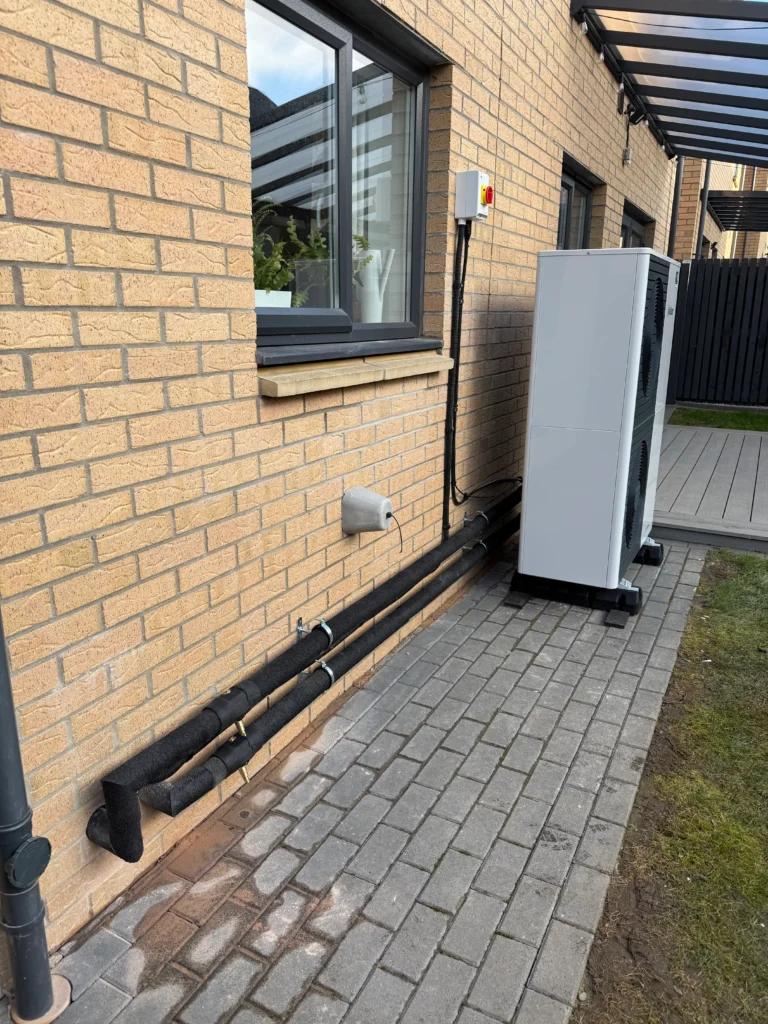
The difference in everyday terms
An air-to-water heat pump takes energy from the outdoor air and transfers it into a water-based heating system. That water circulates through suitable radiators or underfloor heating. The system can also heat a compatible hot-water cylinder for showers, baths and taps.
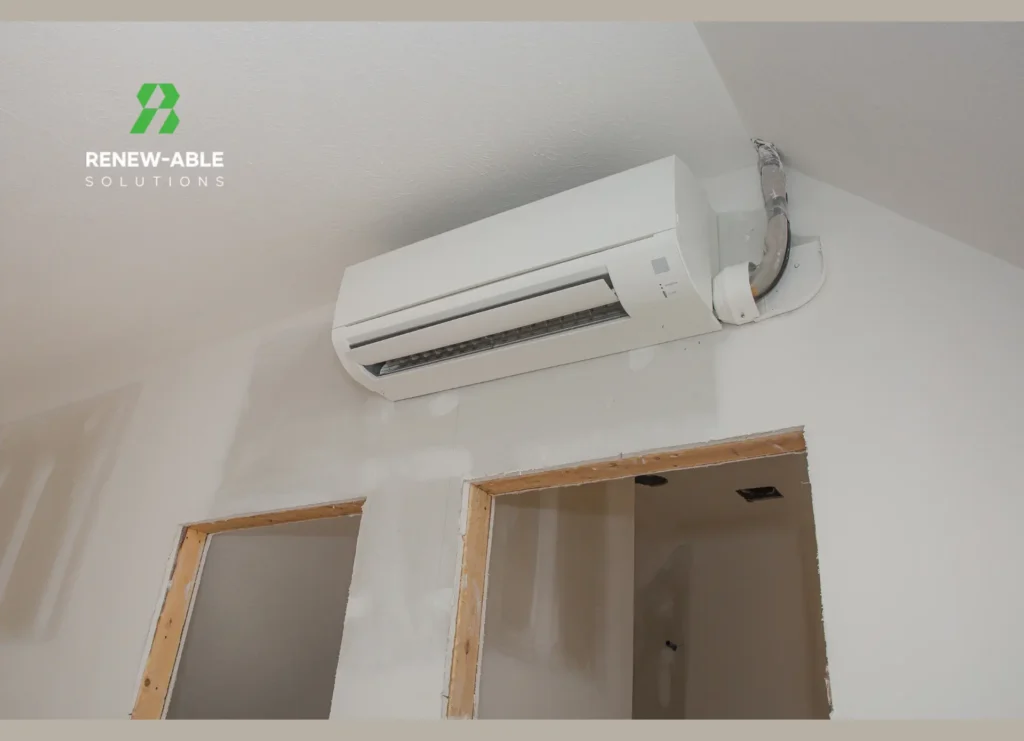
An air-to-air heat pump transfers energy through refrigerant pipes to indoor units that blow warmed air into the rooms they serve. Reversible models also provide cooling. These are often described as air conditioning, split systems or mini-splits. A conventional installation does not heat your existing radiators or provide your domestic hot water.
A useful starting point: if you want to replace a boiler and provide whole-home heating and hot water, explore air-to-water. If you want responsive heating and cooling in particular rooms, or have no wet central heating, explore air-to-air. The final choice needs a property survey.
For a fuller introduction, read our guide to what an air source heat pump is. Independent explanations are available from Energy Saving Trust on air-to-water and Daikin on air-to-air systems.
Air source vs air-to-air heat pumps compared
| What matters? | Air-to-water | Air-to-air |
|---|---|---|
| Room heating | Through suitable radiators or underfloor heating. | Through wall-mounted, floor-mounted, ceiling or ducted indoor units. |
| Hot taps and showers | Can heat a compatible hot-water cylinder. | Normally needs a separate hot-water solution. |
| Summer cooling | Only with suitable equipment, emitters and controls designed for cooling. | Reversible models provide cooling in the rooms served. |
| What you need indoors | Water pipework, suitable heat emitters and normally cylinder space. | Indoor units, refrigerant pipe routes and condensate drainage. |
| How it feels | Usually steady heating over longer periods, at the lowest practical water temperature. | Responsive room heating, with fan airflow and room-level controls. |
| Common starting point | A boiler replacement or a planned whole-home heating and hot-water system. | Individual rooms, extensions, home offices or a designed whole-home warm-air system. |
| Scottish grant position | Eligible installations may qualify for Home Energy Scotland support. | Currently excluded from the Home Energy Scotland Grant and Loan scheme. |
What will be installed inside your home?
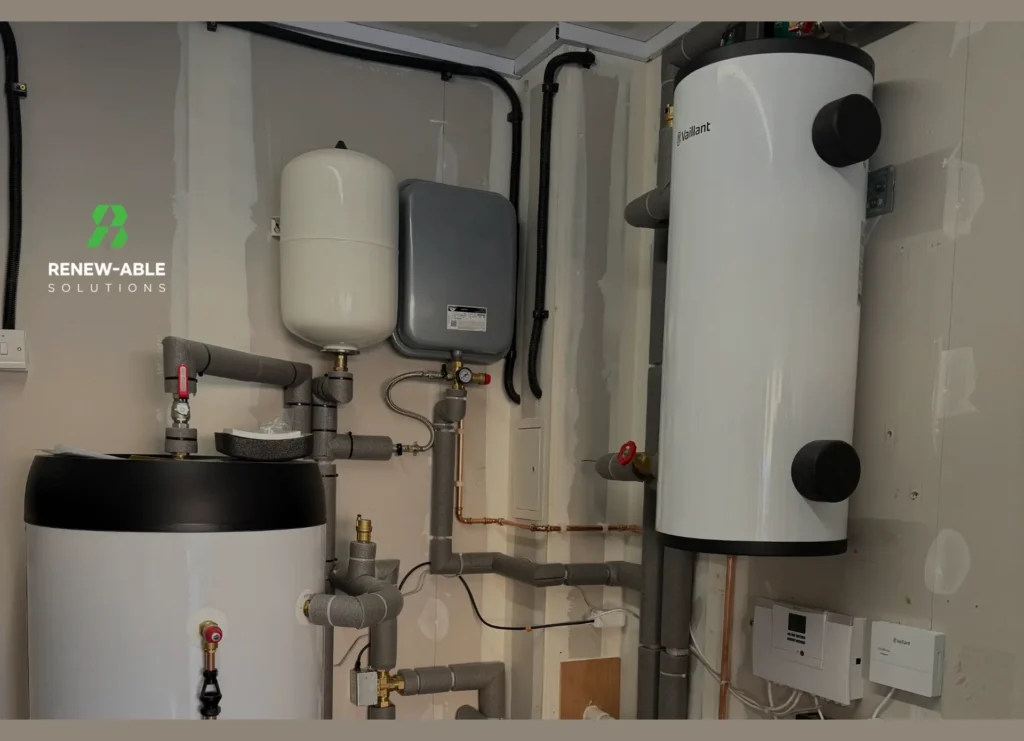
Air-to-water: check radiators, pipework and cylinder space
You do not automatically need to replace every radiator. We check whether each room gets enough heat at the proposed water temperature. Selected radiators or pipework may need upgrading. If you currently have a combi boiler, making room for hot-water storage is an early part of the discussion.
Air-to-air: plan every room you want to serve
One indoor unit should not be assumed to heat a whole house through open doorways. Bedrooms, bathrooms and rooms behind closed doors need their own assessment. A multi-split system can connect several indoor units to one outdoor unit; a ducted design distributes air through ducts. The right arrangement depends on layout, demand and available space.
Air movement, indoor fan sound and the appearance of the units are personal comfort considerations. We also plan drainage for water produced during cooling. Our air-to-air installation service explains the survey and installation process.
Which heat pump may be best for you?
These examples are a starting point for a conversation, rather than a recommendation based on house type alone.
You want to replace a gas, oil or LPG boiler
Start by assessing air-to-water. It can provide heating throughout the home and hot water through one coordinated system. Check heat loss, radiator suitability, cylinder space and the complete installed cost.
For an older stone property, read whether heat pumps suit older Scottish homes. Age alone does not decide suitability.
You want comfort in a home office or extension
Air-to-air may be a good fit. It can provide independent heating and cooling in the space you use without extending a wet central-heating circuit.
Include insulation, hours of use, indoor-unit position and the route to the outdoor unit in the assessment.
You have direct electric heaters and no radiators
Compare air-to-air with a complete air-to-water installation. Air-to-air may avoid fitting a new radiator network, but all rooms still need adequate heating.
Price the hot-water arrangement too. A lower room-heating bill does not tell you the total annual cost of heating and hot water.
You want cooler bedrooms in summer
Assess reversible air-to-air equipment. Choose units and controls for the rooms that overheat, alongside sensible shading and ventilation.
Do not assume a standard radiator-based air-to-water installation offers air conditioning. Cooling needs suitable equipment and a design that manages condensation.
Live in a flat or tenement? Either option needs a feasible location and installation route. Shared walls or land, access, outdoor sound and ownership permissions can be decisive. A compact indoor unit does not remove the need to assess the whole installation.
Hot water deserves its own decision
With air-to-water, the cylinder and heating controls are designed around how many people live in the home and their bathing habits. With conventional air-to-air, a separate system continues to supply the taps: for example an existing boiler, an immersion-heated cylinder or another suitable water-heating solution.
Some specialist air-to-air product combinations can also heat a cylinder, so “air-to-air never provides hot water” is too absolute. That feature must be explicitly specified; it is not included with an ordinary room split system. Energy Saving Trust explains the hot-water options.
Will both work in a Scottish winter?
Both technologies can work in cold conditions when the equipment and system are selected correctly. We assess the heat needed on a cold design day and the manufacturer’s available output at that temperature. Defrost operation, outdoor airflow and drainage also need to be allowed for.
For air-to-water, radiator output and water temperature affect performance. For air-to-air, indoor-unit coverage and airflow matter. Neither system compensates for an undersized design. Insulation and appropriate draught reduction can reduce the demand on either option.
Our heat-pump installation service uses a 3D internal LiDAR survey and room-by-room heat-loss assessment to support the design. We install Vaillant aroTHERM plus air-to-water systems and assess air-to-air equipment for the rooms and property.
Installation costs, running costs and Scottish funding
A single-room air-to-air installation and a whole-home air-to-water system are different scopes of work. Compare quotations that meet the same needs: rooms heated, hot water, cooling where required, electrical work, pipework, controls, making good and servicing.
Running costs depend on how much heat the home needs, seasonal efficiency, your electricity tariff and how you operate the system. Include any separate hot-water energy use and the cost of retaining another heating system. A headline efficiency rating or a cheap single-room quote cannot establish which option is cheaper for your household.
We provide estimates following assessment. Our heat-pump installation cost guide explains the main cost variables.
Funding in Scotland, checked 15 September 2026: qualifying air-to-water installations may receive a Home Energy Scotland grant of up to £7,500, or £9,000 with the qualifying rural uplift. Optional interest-free loan support may also be available. The scheme currently excludes air-to-air heat pumps.
Eligibility, certified equipment and installer requirements, and available funding must be checked directly. If applying, do not start work before receiving a written funding offer. See the scheme overview and current terms and conditions.
Can solar panels help run either system?
Both use electricity, so either can use available solar generation. The benefit depends on when you need heating or cooling and when the panels generate. Winter heating demand often coincides with lower solar output; solar panels do not guarantee free heating. We can assess solar PV, existing storage and your electricity use together.
What we check before recommending a system
- Your priorities: whole-home heating, individual rooms, hot water, cooling or a combination.
- The building: room-by-room heat loss, insulation, layout and how the spaces are used.
- The installation: indoor and outdoor space, radiators or air distribution, pipe routes, drainage, electrical supply and sound.
- The full proposal: equipment, coverage, expected running costs, installation work, controls, maintenance and relevant permissions.
Regular maintenance matters for both types. Air-to-air owners should follow the manufacturer’s filter-cleaning guidance; professional servicing requirements vary by system. See our air source heat-pump servicing page for water-based systems.
Frequently asked questions
Is “air 2 air” the same as air-to-air?
Yes. “Air 2 air” is an informal spelling. It describes a system that transfers heat between outdoor air and the air inside the building.
Can air-to-air replace central heating?
It can be designed as the main space-heating system in a suitable property. The design must cover the required rooms, including closed bedrooms and bathrooms, and separately resolve domestic hot water.
Can I keep my existing heating?
Air-to-air can serve selected rooms alongside an existing system. We consider controls, total running costs and hot water together. Keeping a boiler may affect funding eligibility, so check the proposed arrangement before relying on a grant.
Is one type always more efficient?
No single efficiency figure settles the choice. Compare the proposed systems under relevant operating conditions, including hot water, room coverage and seasonal performance. The best fit is the design that meets your actual needs efficiently.
Does air-to-air bring fresh air into the house?
Most ordinary split systems recirculate indoor air. Heating or cooling a room does not replace its ventilation requirements. Fresh-air provision is a separate design consideration.
Prepared by Renew-Able Solutions. Further reading: Daikin’s heat-pump comparison and its guide to air-to-air comfort and winter operation. Product capabilities and scheme terms are checked again when preparing your proposal.
Your next step
Which heat pump is right for your home?
Tell us your postcode, current heating system, hot-water needs and the rooms you want to heat or cool. We’ll help you compare air-to-water and air-to-air options and arrange the right assessment.
Discuss your heat pump project with Renew-Able Solutions. Tell us about your property and we’ll help you choose the right assessment. Privacy policy
Prefer to talk? Call 0131 210 0405 or email our team.