Home Assistant and Predbat can help a compatible home energy system respond to changing electricity prices, solar forecasts and household demand. The aim is to buy less energy at expensive times and make better use of the equipment you already own. Good setup, sensible limits and ongoing checks matter as much as the software.
For homes in Edinburgh and East Lothian, that could mean leaving space for tomorrow’s sunshine, charging a battery before an expensive evening period or coordinating an EV with the rest of the house. It does not mean a guaranteed lowest possible bill.
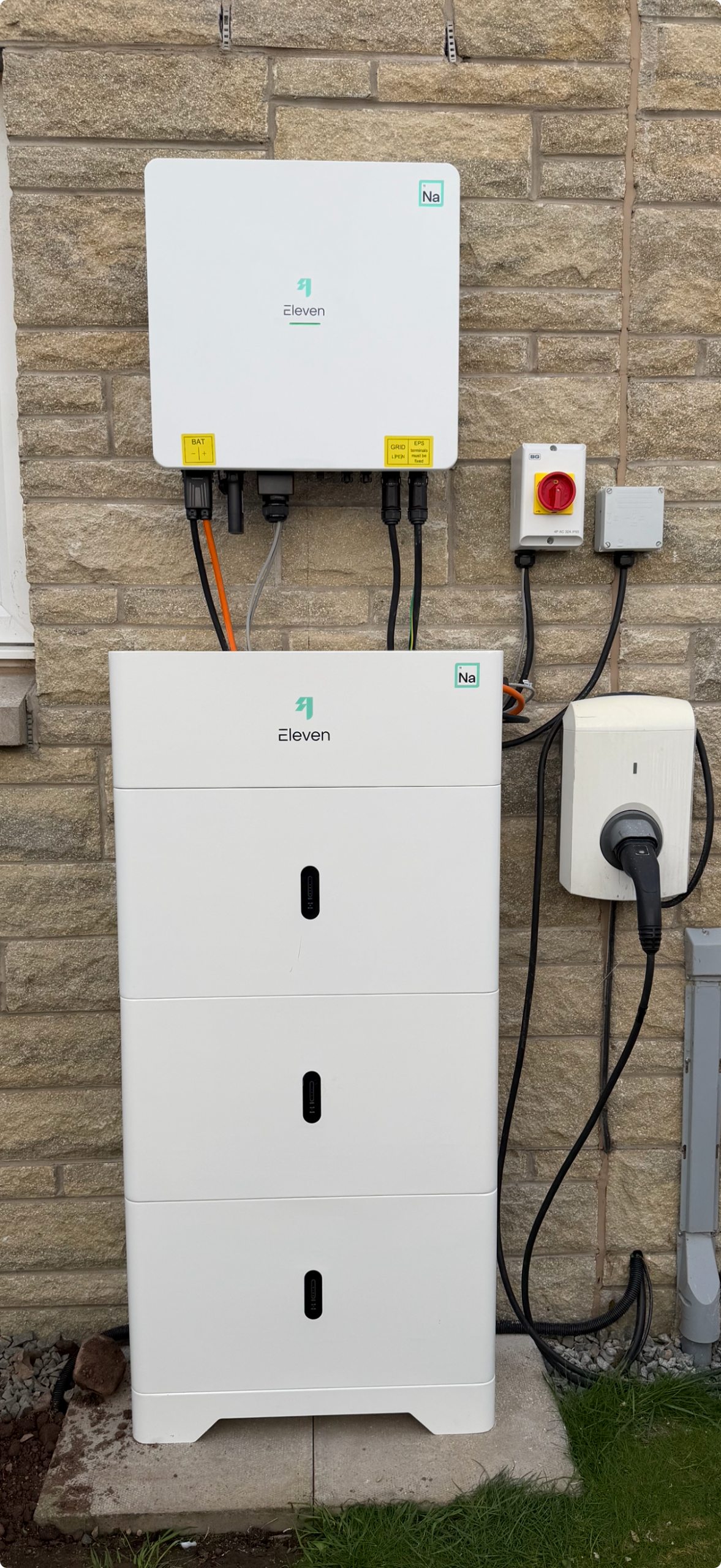
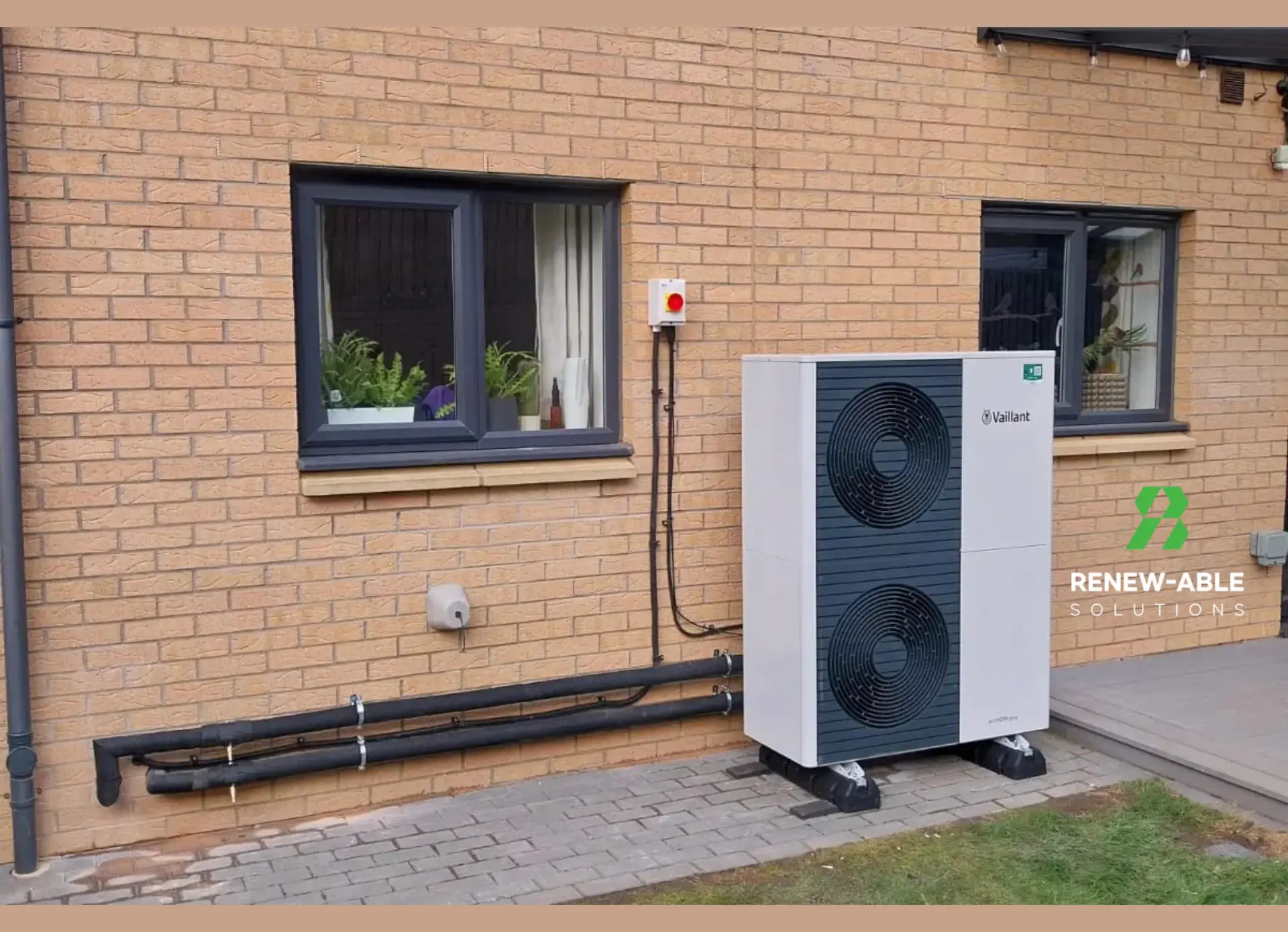
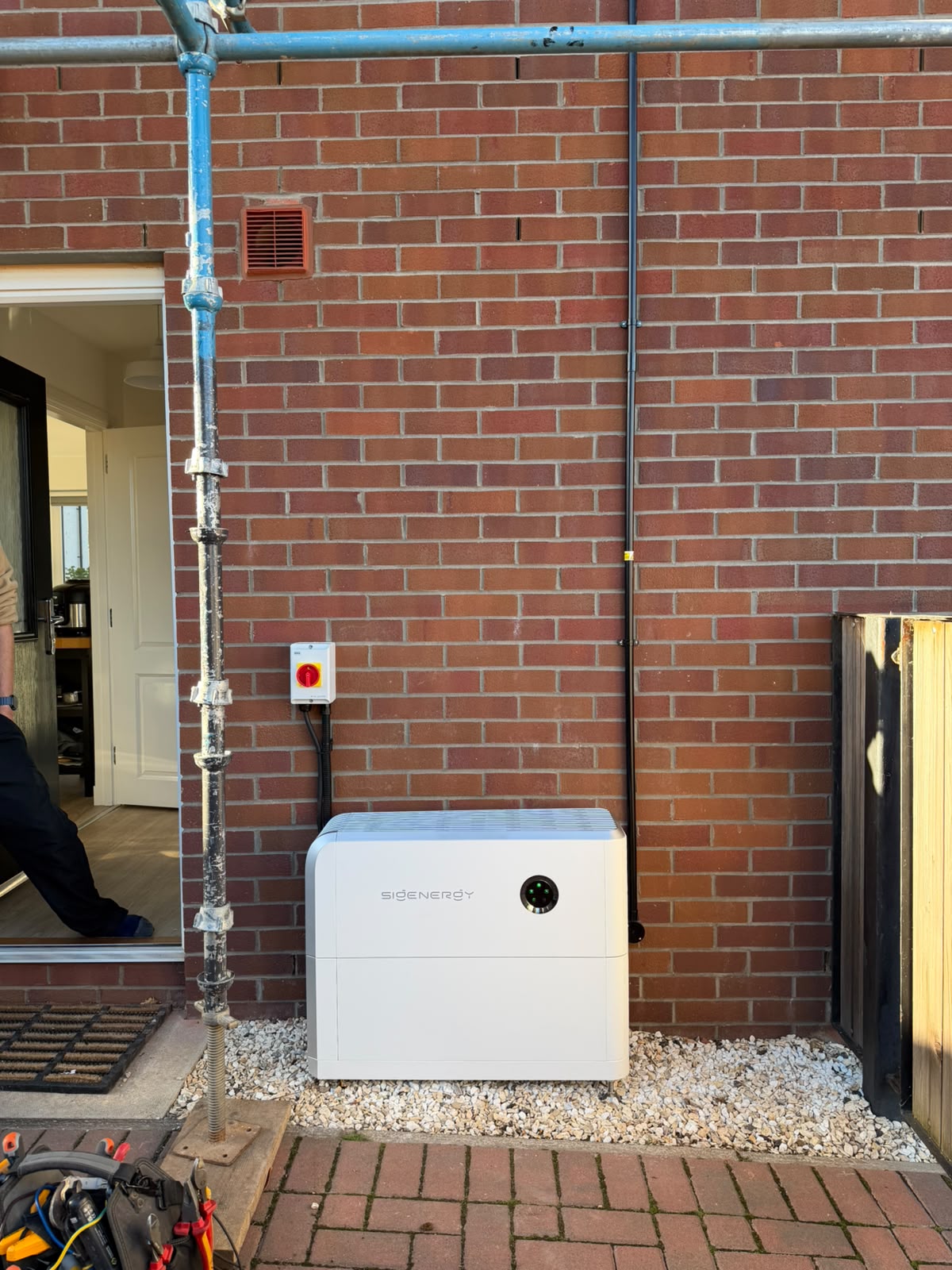
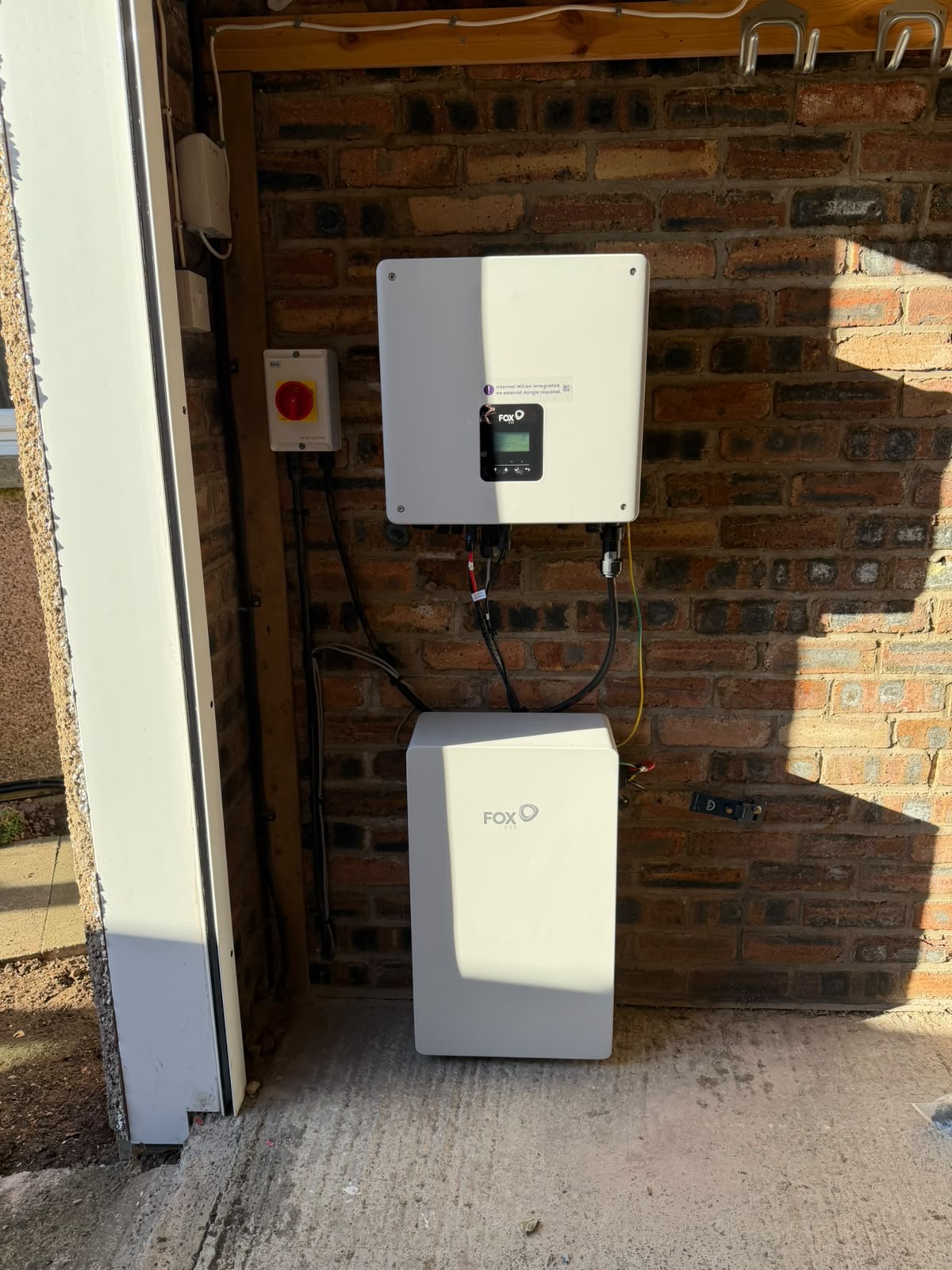
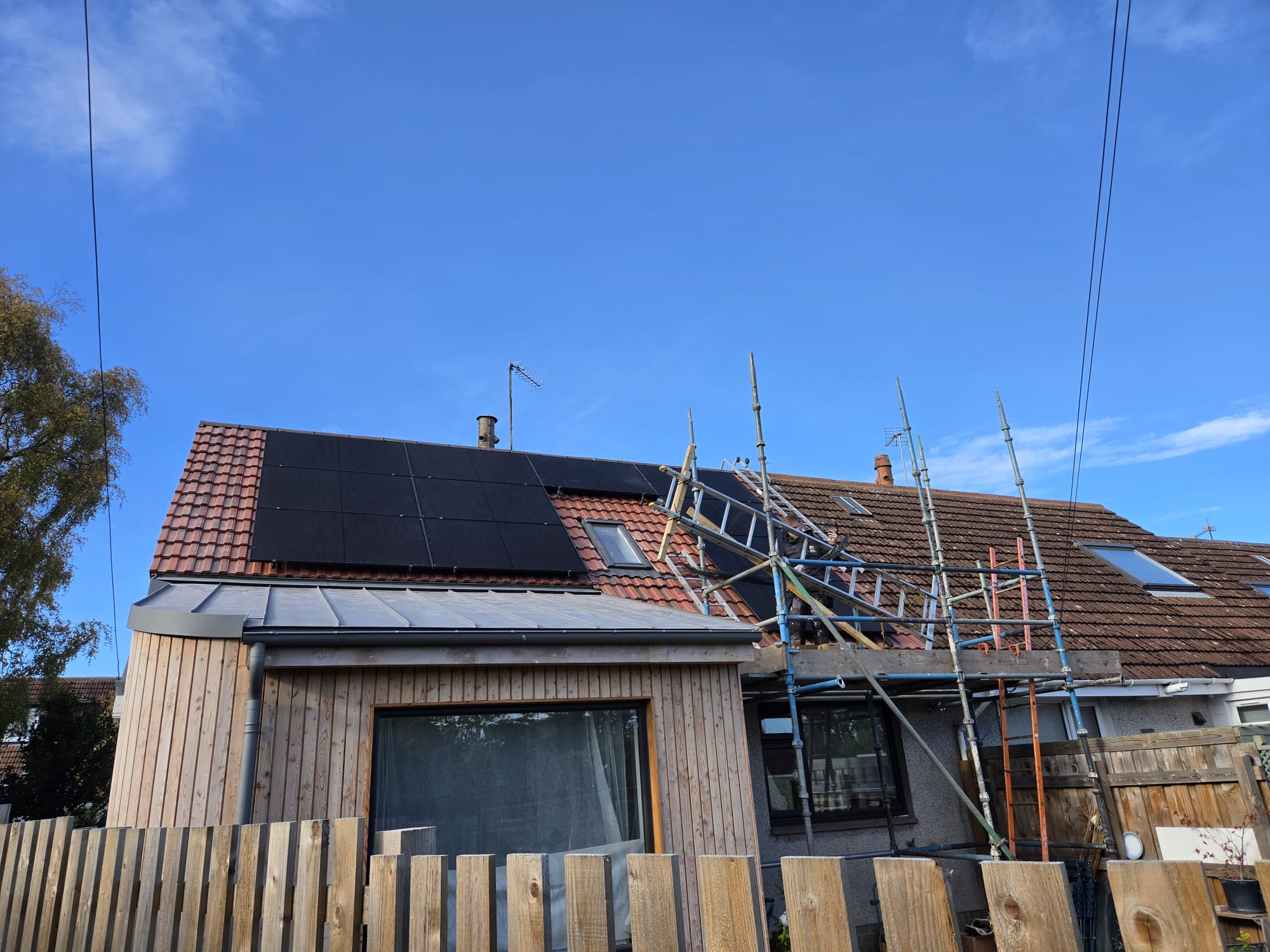
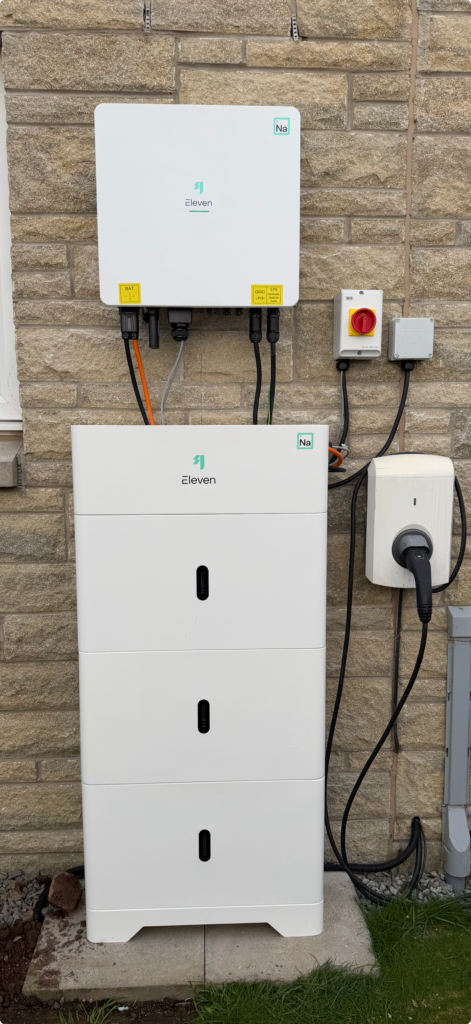
Photo note: our Milnathort installation illustrates home energy equipment; it is not presented as a Predbat installation.
What does each part do?
| Part of the system | Its role |
|---|---|
| Home Assistant | Connects supported equipment, displays energy data and runs configured automations |
| Predbat | Uses forecasts, prices and system constraints to plan battery charging and discharging |
| Inverter and battery | Carry out supported charging and discharging within their operating limits |
| You and your installer | Set priorities, verify readings and decide how the system should behave |
Home Assistant’s energy documentation describes how grid, solar and battery information can be brought together. A dashboard gives visibility; active control additionally needs a working integration and an automation configured for the equipment.
Predbat’s own documentation explains how it combines energy-price information, predicted solar generation and historical consumption to create a plan. It can control supported inverters and starts in a monitoring mode, allowing the predictions to be checked before active control is enabled.
Why a forecast can improve on a fixed timer
Consider an illustrative day when you expect strong solar generation tomorrow. Filling the battery completely overnight may leave little room for that generation. On a darker winter day, buying more energy during a cheap period may be useful because the roof is unlikely to refill the battery. The right answer depends on import and export rates as well as the forecast.
A fixed schedule can be perfectly sensible on a stable tariff. Forecast-based planning becomes useful when prices, generation and demand change enough to justify the added complexity. Start with the simplest setup that meets the household’s needs.
How we help plan and set up home energy automation
1. Understand the goal. We discuss what you want to improve: peak-rate imports, solar self-use, charging the car by a departure time or understanding where electricity goes. Comfort and essential energy needs come first.
2. Check compatibility and the support scope. The exact inverter, battery, firmware, communication method and tariff determine what can be integrated. Monitoring support does not automatically mean reliable control support. We identify required hardware, configuration work, software permissions and any ongoing support costs before agreeing the job.
3. Establish reliable readings. We help configure the agreed Home Assistant integrations and check that import, export, generation and battery readings make sense. Incorrect signs, units or duplicated sensors can make a convincing-looking dashboard misleading.
4. Configure permitted controls. Where suitable and appropriately licensed, Predbat can form part of the household’s arrangement. Reserve levels, charge limits and EV requirements must reflect the equipment and household. We check how supplier-controlled services interact with any local automation.
5. Test and hand over. A sensible commissioning process compares predicted behaviour with actual operation, explains manual overrides and establishes a fallback schedule. We agree who maintains updates, responds to faults and reviews tariff changes; these responsibilities should be clear in the scope.
Predbat licensing needs to be checked
Predbat’s published licence permits personal, non-commercial UK use and directs uses outside its terms to obtain separate permission. We check the applicable permissions before including Predbat in a paid installation or support service. Availability of the code is not, by itself, permission to resell or commercially deploy it. The current licence and supported integrations should be checked for each proposal.
Can it ensure you always pay the least?
No software can guarantee that. Forecasts can be wrong, equipment can be unavailable and tariffs can change. Automation usually optimises within the tariff and settings you have provided; it does not automatically find every supplier’s best deal or switch your energy contract.
Judge success using actual imported and exported energy, the rates paid, standing charges and any running or subscription costs. Compare similar periods and allow for weather and changes in usage. A predicted saving on a dashboard is different from a verified reduction in your bill.
Getting started with your existing system
Start with our guide to battery arbitrage and battery storage service. For an existing installation, solar and battery servicing can help establish whether equipment is operating correctly before adding more controls.
Frequently asked questions
Do I need a home battery? Home Assistant can monitor and automate other supported devices without one. Predbat’s main role is battery planning and control.
What happens if the internet or a data feed fails? Behaviour depends on the integrations and hardware. Agree and test fallback settings instead of assuming the optimiser will keep working normally.
Can this work alongside smart EV charging? Sometimes. The exact tariff and controller arrangement must be checked so the car and home battery follow compatible priorities.
Planning an energy upgrade in Edinburgh, East Lothian or Central and East Scotland? Tell Renew-Able Solutions about your property and we can assess the options around your energy use, equipment and budget.
Technical sources and licence checked 27 September 2026. Compatibility and software terms can change.