January 2027 energy prices are forecast to rise, but the increase is not confirmed. For households in Edinburgh and East Lothian, the useful response is to check your tariff and energy use now, then assess longer-term improvements on their own merits.
Research checked 27 September 2026. Forecast figures below are a dated snapshot, not the final January price cap or a live tariff comparison.
January 2027 energy prices: what do the forecasts say?
MoneySavingExpert’s forecast guide, updated 23 September 2026, reports the following estimates for January–March 2027. They are annualised costs for a typical dual-fuel household paying by Direct Debit, using 2,500 kWh of electricity and 9,500 kWh of gas a year.
| Forecast provider | January annualised estimate | Change from October |
|---|---|---|
| EDF | £2,098 | +21.8% |
| British Gas | £2,135 | +23.9% |
| E.on Next | £2,118 | +22.9% |
These are forecasts, not three-month bills. They should not be applied as a flat percentage increase to every household’s electricity bill. Gas and electricity rates can change differently, while region, payment method and consumption affect the outcome.
What has Martin Lewis said about January energy bills?
In his August 2026 analysis published by MoneySavingExpert, Martin Lewis said January was “currently predicted to rise substantially again then, though that’s a bit of crystal-ball gazing.”
That warning describes the uncertainty well. His August commentary predates the September forecasts above; the table is not a new personal prediction by Martin Lewis. Neither Martin Lewis nor MoneySavingExpert endorses Renew-Able Solutions.
When will Ofgem confirm the January 2027 price cap?
Ofgem lists 25 November 2026 as the announcement deadline for the January–March cap. The confirmed October–December benchmark is £1,723 a year for typical dual-fuel Direct Debit use. The cap limits relevant unit rates and standing charges on standard variable tariffs: it does not set a maximum household bill.
If you use more energy, you pay more. If you are on a fixed tariff, check the contract and its end date rather than assuming the January cap change automatically changes your unit rates. Smart tariffs also need to be assessed under their own terms.
Four useful steps before winter
1. Compare the whole tariff. Use your annual gas and electricity consumption, postcode, standing charges, exit fees and payment method. A cheap overnight electricity rate can be offset by a high daytime rate if much of your consumption remains in the day.
2. Check simple improvements first. Review heating schedules, avoid heating unused spaces unnecessarily and investigate draughts or poor controls. Keep rooms comfortable and deal with damp or ventilation problems appropriately. Contact your supplier early if bills are becoming unaffordable.
3. Assess solar on annual generation. Solar panel installation can reduce bought-in electricity, but Scotland’s short winter days mean it is not a complete answer to January demand. A design should estimate seasonal output and the amount you can use at home.
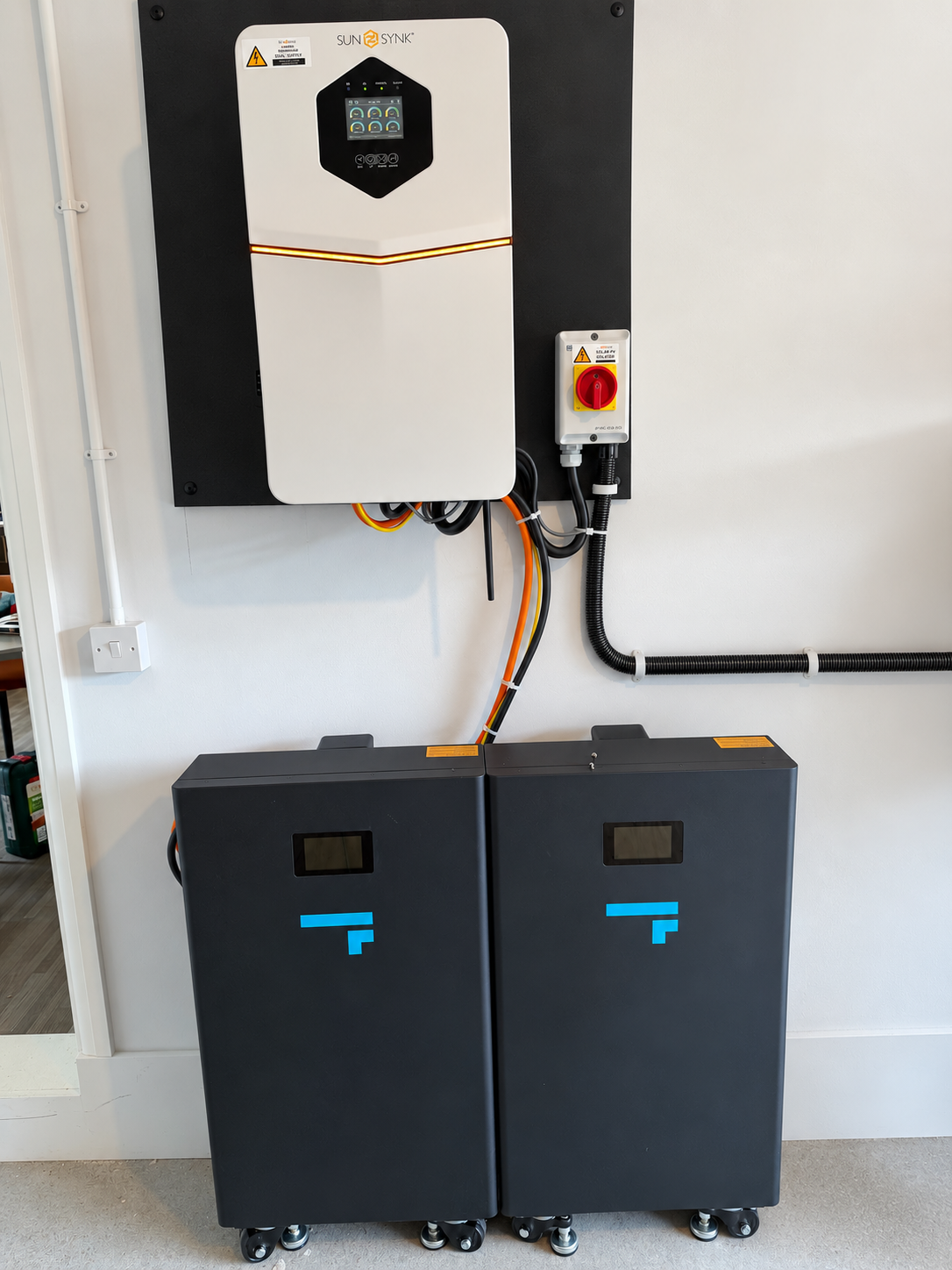
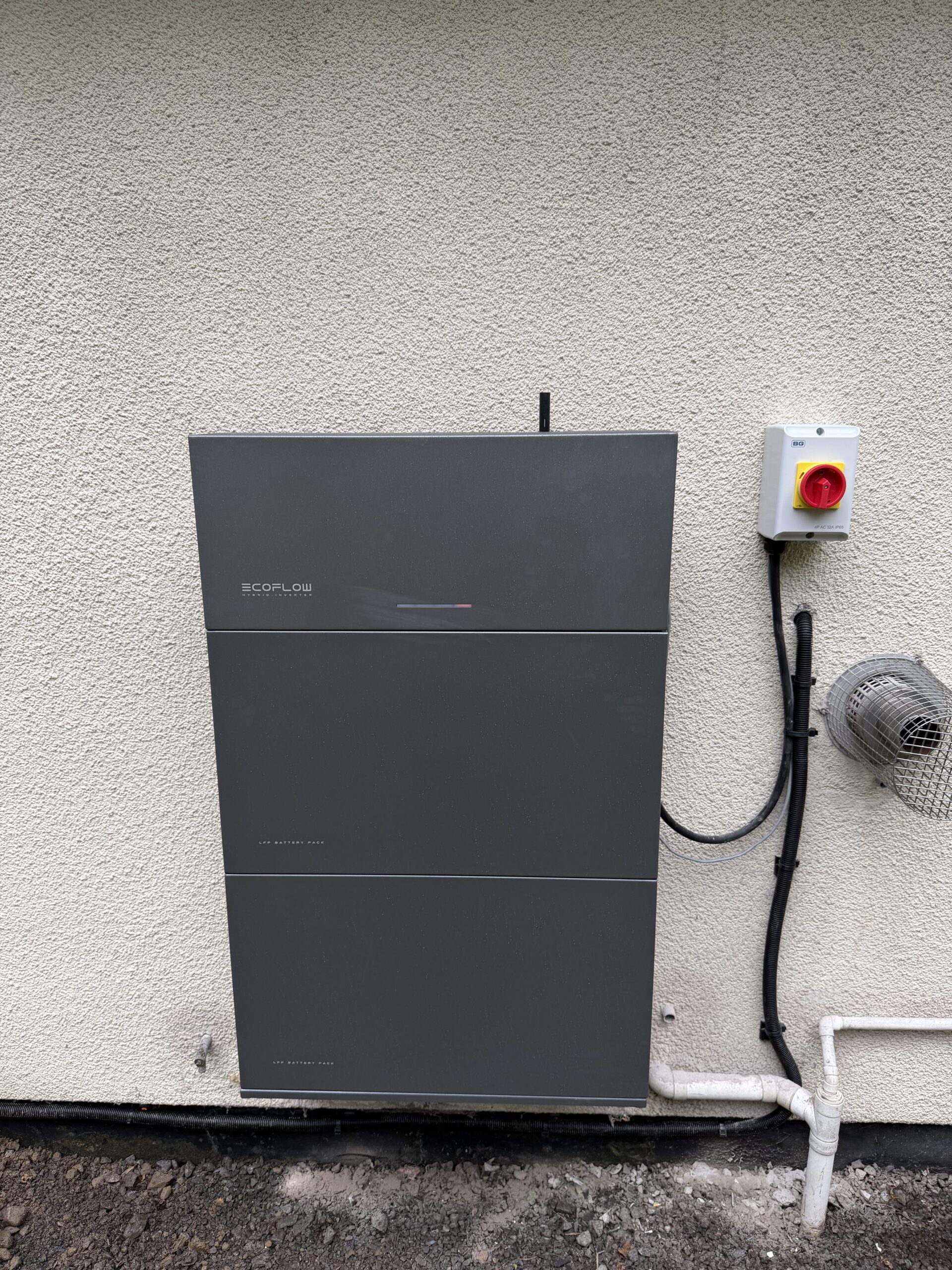
4. Model a battery using real usage. Home battery storage can move purchases to cheaper periods where a suitable tariff is available. Include charging losses, usable capacity, installation cost and warranty limits. It does not remove standing charges or directly reduce a gas bill.
Should rising prices make you buy solar or a battery immediately?
A forecast is a reason to review your options, not a reason to rush an installation. Compare a base case with higher and lower future prices. A proposal that only works if a dramatic price rise lasts for years deserves a closer look. Existing owners can also benefit from checking schedules and arranging appropriate solar and battery servicing.
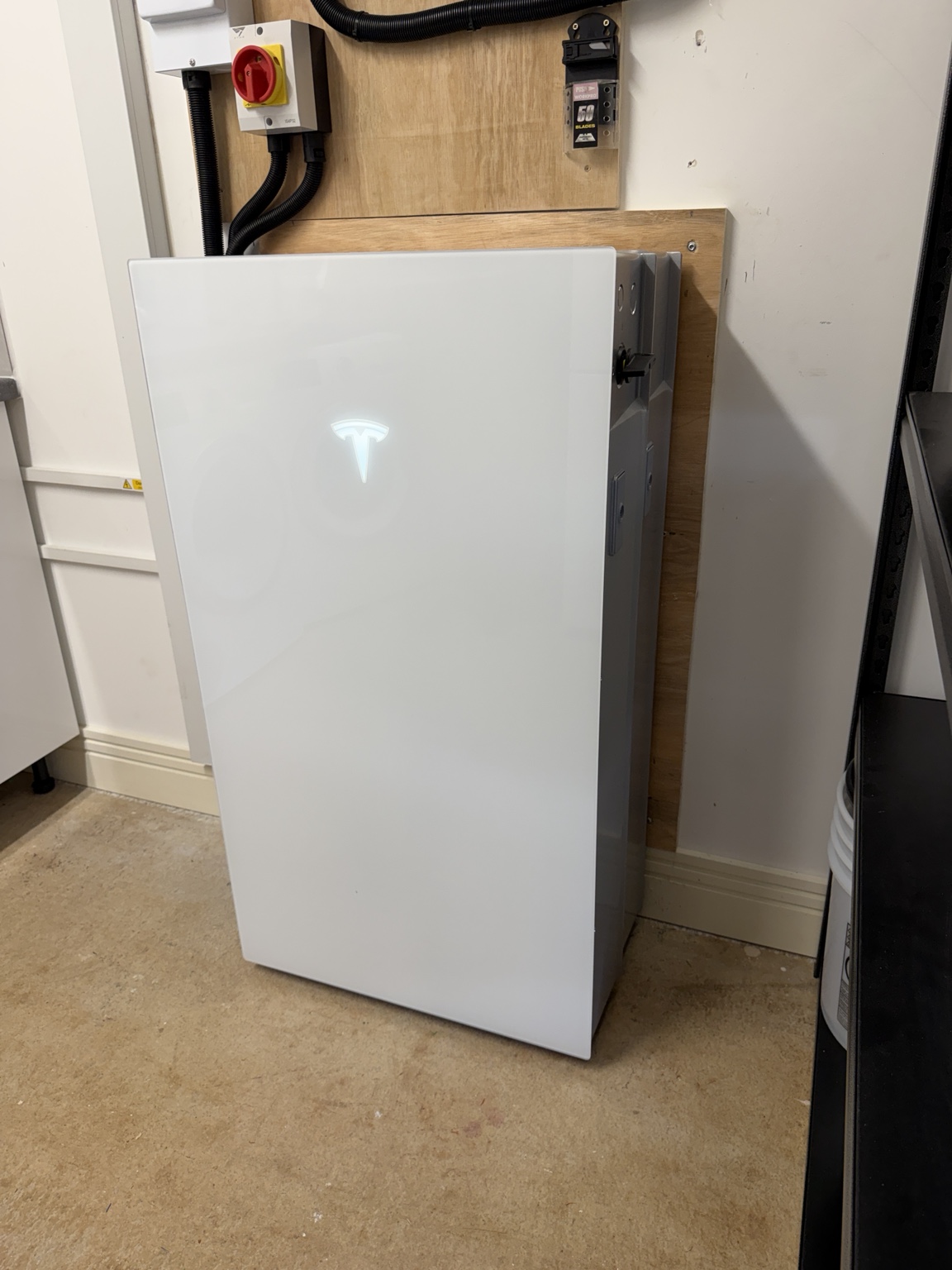
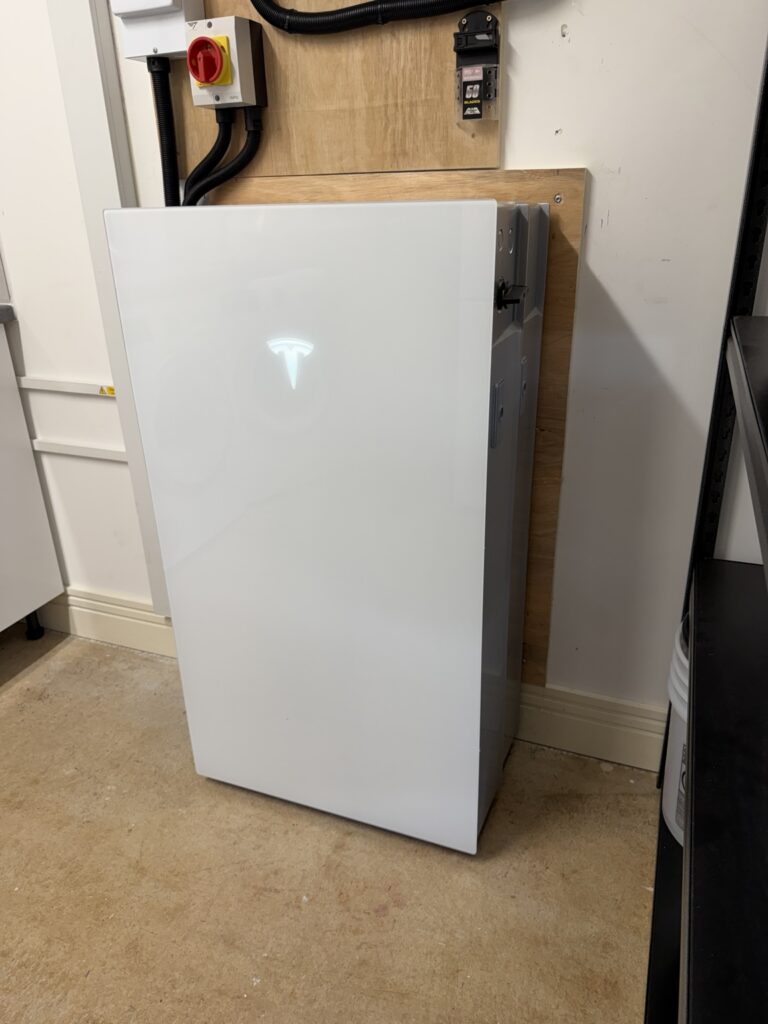
For a local installation example, see our Tesla Powerwall replacement project in North Berwick. The right equipment still depends on your home and tariff.
January 2027 energy prices: questions for Scottish households
Does the cap apply in Scotland?
Yes, the Ofgem cap covers relevant domestic tariffs in Great Britain, including Scotland. Regional unit rates and standing charges still differ.
Will a battery protect me from all price rises?
No. It may reduce exposure to expensive electricity periods, but cheaper rates can also change and storage has operating limits.
Where should I check for updates?
Use the linked Ofgem announcement and MSE forecast guide. This article records the position checked on 27 September; later announcements supersede these estimates.
Planning an energy upgrade in Edinburgh, East Lothian or Central and East Scotland? Tell Renew-Able Solutions about your property and we can assess the options around your energy use, equipment and budget.