Choosing a solar installer means comparing more than the price of the panels. The right proposal should explain the design, installation work, permissions, expected generation and support after handover. These ten mistakes will help homeowners in Scotland assess quotations and ask useful questions.
Ten mistakes when choosing a solar installer
1. Choosing a solar installer without checking certification
Check the installer’s current certification and the technologies it covers. Verify the business on the official MCS website, and confirm which certificates you will receive after commissioning. Certification supports a quality framework; it does not guarantee a particular energy saving.
For eligible small solar installations, the Smart Export Guarantee accepts MCS certification or an accredited equivalent. Check your chosen supplier’s requirements before relying on export income. Ofgem’s guidance for generators explains eligibility, metering and applications.
2. Overlooking planning and other permissions
Many domestic solar projects can use permitted development rights, but the conditions depend on the installation and location. Scotland has its own rules. Listed buildings, protected areas, roof position and equipment dimensions can affect the assessment.
Ask who checks planning, listed-building consent and any building-warrant requirements. Read the Scottish Government’s domestic microgeneration guidance and confirm uncertainty with the local authority before work begins. Do not assume that rules for another part of the UK apply to your property.
3. Choosing a solar installer on price alone
A lower quote does not automatically mean poor workmanship, and a higher quote does not prove better value. Compare the same scope: panel capacity, inverter, mounting, electrical protection, scaffolding, monitoring and commissioning. Identify any provisional costs or exclusions.
Ask who will carry out the installation and who takes responsibility for quality and aftercare. Subcontracting is not itself evidence of poor work. The important questions concern competence, supervision, accountability and the written scope.
4. Misunderstanding warranties
Panel performance warranties, product warranties, inverter cover and workmanship protection are different. Their duration and conditions depend on the manufacturer, product and installer. A performance warranty is not a promise that your roof will generate a fixed number of units each year.
Request the actual documents. Check exclusions, registration requirements, transferability and whether labour, access and replacement transport are covered. Confirm who handles a claim and what support remains if a supplier or installer stops trading.
5. Skipping reviews and relevant references
When choosing a solar installer, look for recent projects with a similar roof, system size and access requirements. Read independent reviews for patterns in communication, workmanship and aftercare rather than relying on a single rating.
Ask whether previous customers are willing to discuss their experience, with their permission. Request examples of the installation team’s work and a clear description of the support available after handover.
6. Assuming export payments happen automatically
Export payments depend on an eligible installation, suitable metering and an agreement with an electricity supplier. Rates and terms vary. Avoid basing the decision on an undated tariff range or a guaranteed export income.
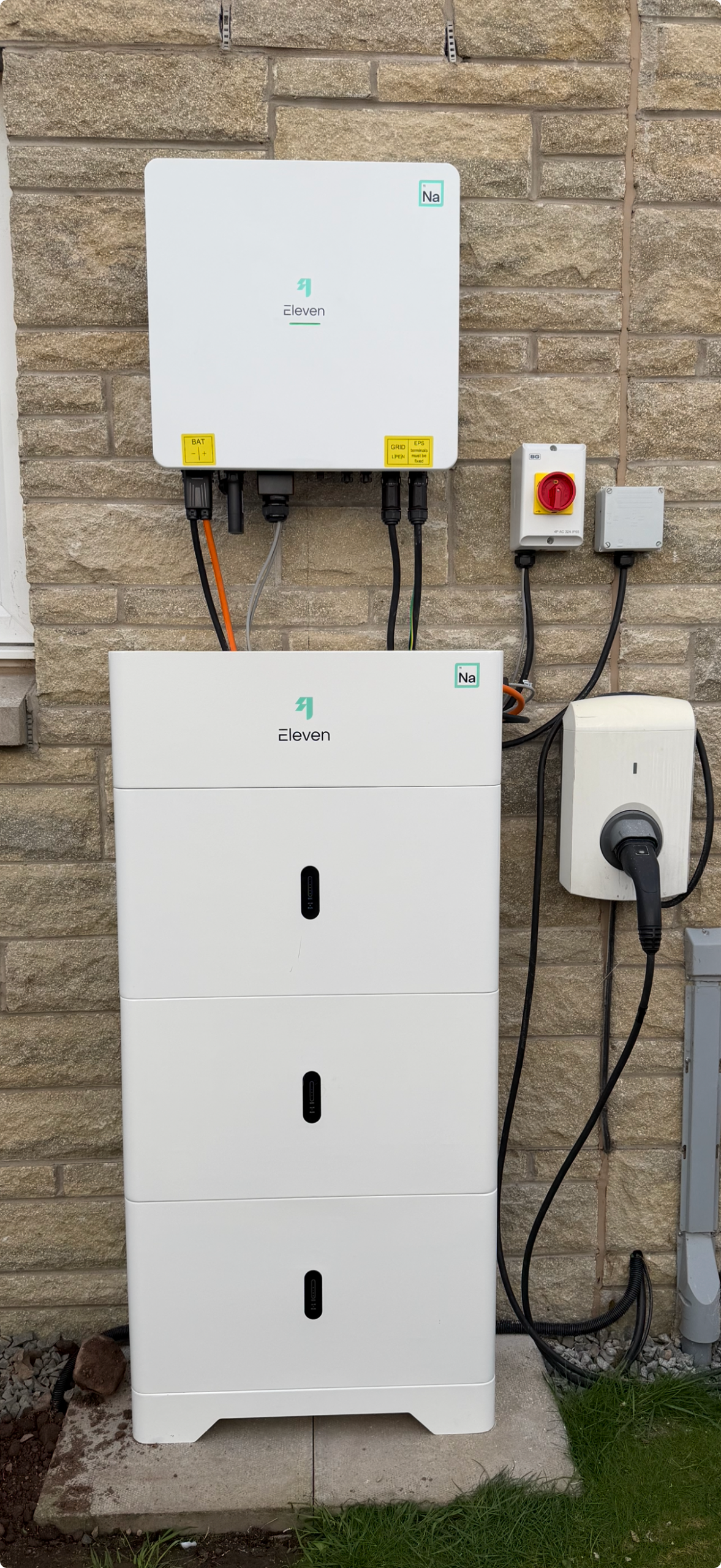
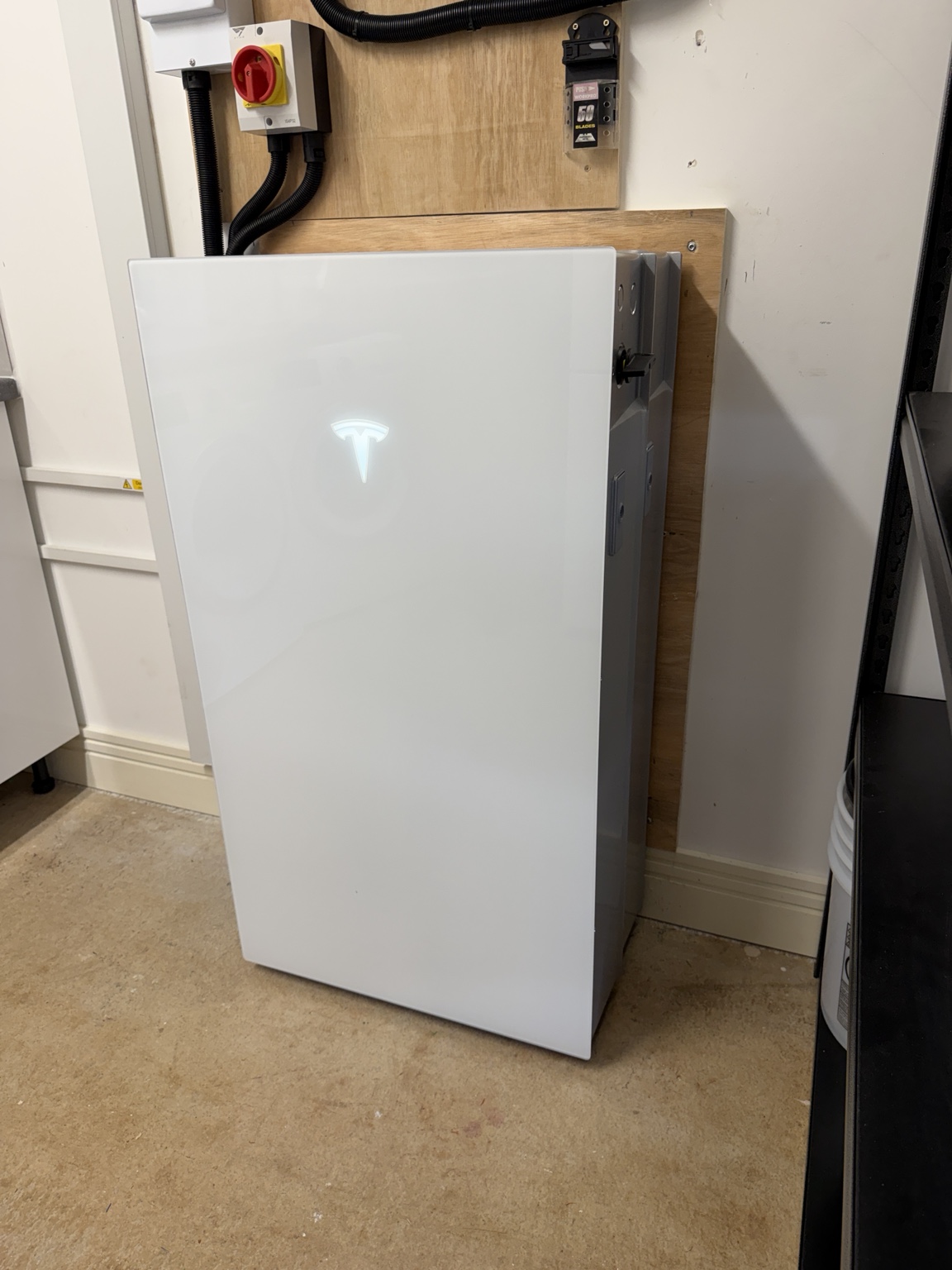
Ask what documents the installer supplies and which registration steps you must complete. Compare how much electricity you expect to use at home with likely exports. A battery may change that balance, but its cost, usable capacity and losses also belong in the assessment.
7. Accepting a design without a shading assessment
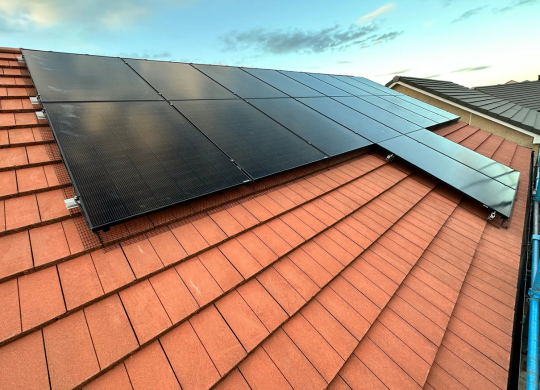
Trees, chimneys, nearby buildings and the roof’s orientation affect generation. Ask how the installer assessed shading and produced the forecast. The proposal should explain the panel layout, assumptions and any constraints.
Optimisers or microinverters may help in some designs, but they cannot remove physical shade. Ask why the recommended equipment suits your roof. Our guide to common solar panel misconceptions covers other assumptions to question.
8. Failing to check insurance and responsibilities
Request evidence of current insurance appropriate to the work and confirm who is responsible for damage, making good and subcontracted activities. Check policy scope and dates rather than assuming one generic cover limit suits every project.
Also ask your home insurer whether the installation changes your policy requirements. Keep the contract, design, certificates and handover documents together so responsibilities are clear if a problem arises.
9. Ignoring maintenance and monitoring
Solar PV needs monitoring and appropriate maintenance. Ask how to recognise a fault or an unexpected drop in generation, who receives alerts and how to obtain support. Check whether monitoring depends on a subscription or a working internet connection.
Inspection and cleaning needs depend on the equipment, site conditions and manufacturer’s instructions. Agree a suitable maintenance approach rather than assuming every system needs the same cleaning interval or will suffer the same annual loss.
10. Skipping roof and structural checks
The installer should assess roof condition, mounting suitability and structural requirements before confirming the design. Existing leaks, ageing roof coverings and planned roof repairs can affect whether installation should proceed.
Ask what assessment is included, whether a structural engineer is needed and who is responsible for repairs or strengthening. The proposal should also explain safe access, cable routes and how the roof will remain weatherproof.
Choosing a solar installer: your quotation checklist
Before accepting a proposal, compare the equipment, design assumptions, installation scope, permissions, warranties and aftercare in writing. Take time to resolve unclear exclusions and avoid pressure to sign before you understand the work.
Renew-Able Solutions provides solar PV design and installation for suitable properties. Contact our team to discuss your roof, electricity use and the assessment your project needs.
Questions about choosing a solar installer
What certifications should I check?
Verify relevant installer certification, including MCS or the appropriate equivalent where needed for your intended export arrangement. Ask about consumer-code membership, electrical competence and the certificates included at handover.
How can I avoid misleading sales claims?
Get comparable written quotations and ask for the assumptions behind generation and savings figures. Verify credentials independently, read the contract and avoid treating a low price or a confident savings claim as proof of value.
Do I need planning permission for solar panels?
That depends on the property, location and proposed installation. Check Scottish permitted development conditions and any separate consent requirements with your installer and planning authority before work starts.