You leave for work before the house has warmed up. By the time you return, the oven, lights and television all need electricity. Meanwhile, the brightest part of the day has passed. Do solar panels still make sense?
Yes, they can. Being out during daylight hours does not rule out solar. However, it changes the balance between electricity you use straight away, energy you export and energy you might store. A good proposal should show each part separately.
For a home in Edinburgh or East Lothian, the useful question is not simply how much the roof can generate. It is how much value that generation creates for your particular household.
Want advice for your home? Call 0131 210 0405 or send an enquiry to Renew-Able Solutions.
How do solar panels work while nobody is home?
Your home rarely stops using electricity completely. Fridges, routers, ventilation and other background loads still run. Solar can supply those loads first when generation is available.
Any surplus can charge a suitable battery or flow to the grid, subject to the system’s controls and agreed export limit. To receive export payments, you need an eligible installation and an export tariff. Payments do not start just because the panels are producing power.
Our Smart Export Guarantee guide explains the export side. Also ask your supplier how its export product works alongside your import tariff.
Solar panels with or without a battery: compare three options
First, request a solar-only estimate. Then compare it with sensible changes to your routine. Finally, model a battery as a separate investment. This makes the extra cost and benefit easier to see.
| Option | What changes? | What to check |
|---|---|---|
| Solar only | Background use plus paid exports | Realistic daytime demand and export rate |
| Solar with flexible use | More demand moves into daylight hours | Which loads can move safely and conveniently |
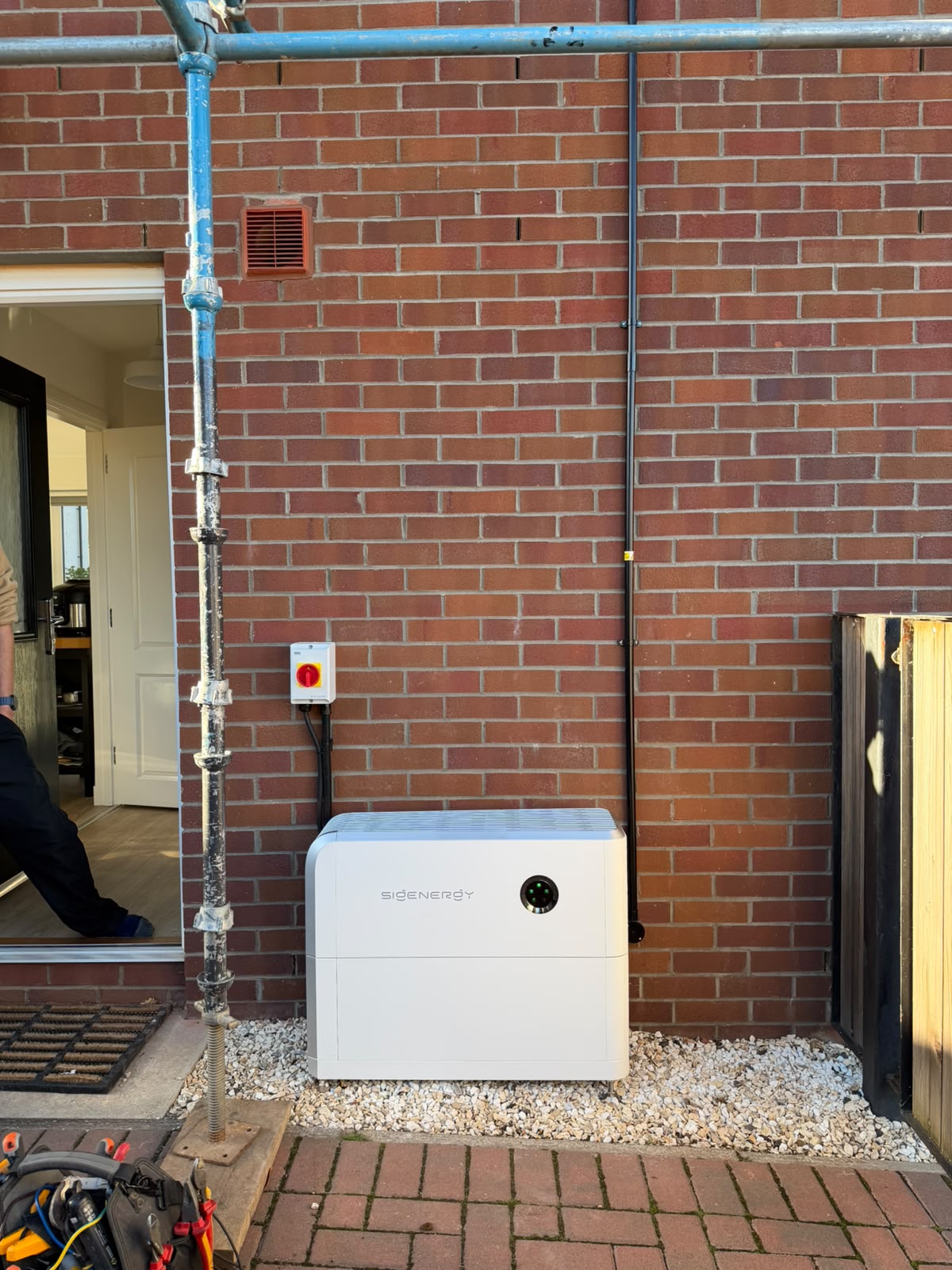
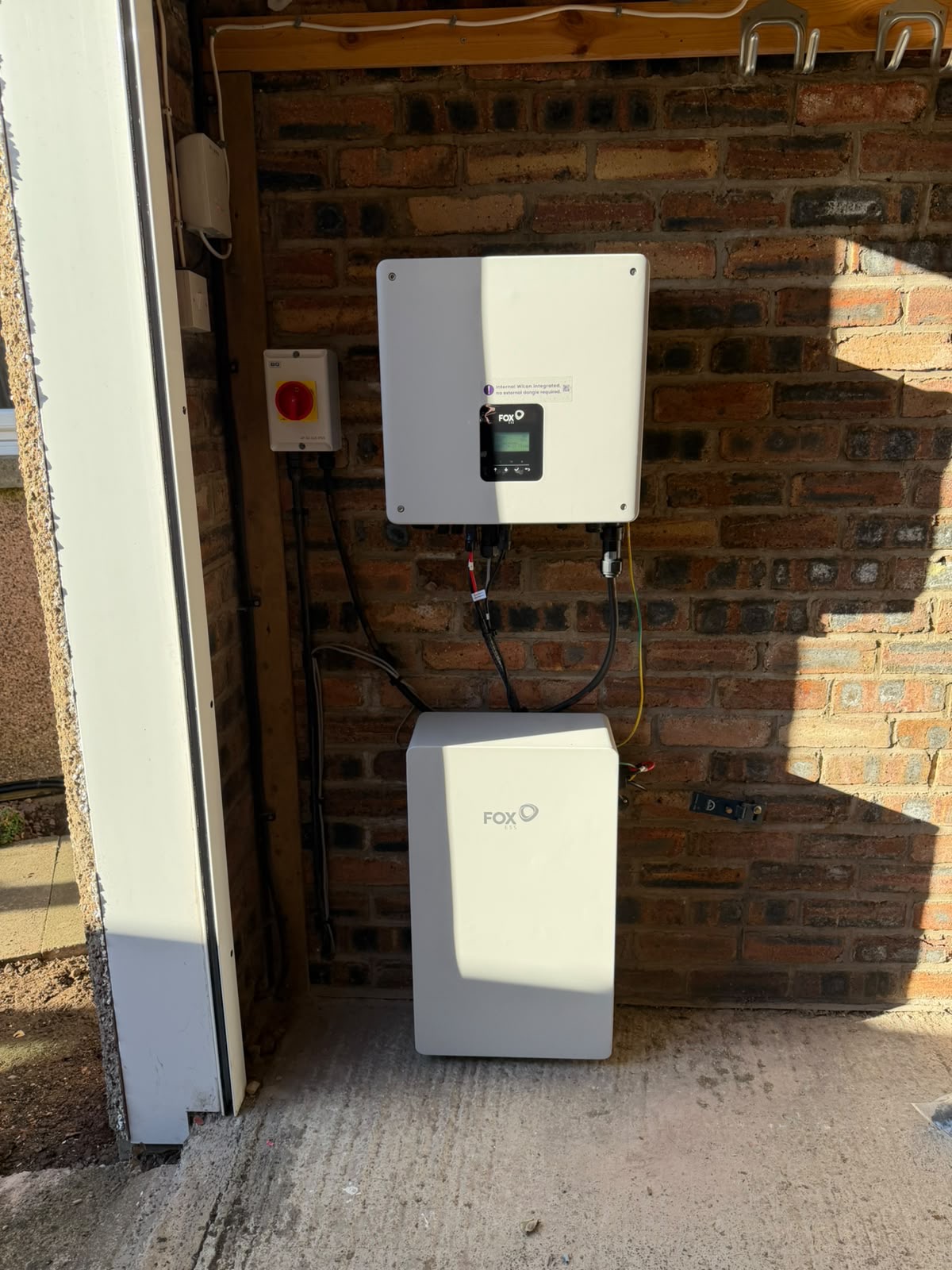
| Solar with storage | Some daytime surplus becomes evening supply | Battery cost, losses, usable capacity and winter charging |
For example, hot-water heating or charging a parked EV may be flexible. A car that stays at work throughout the day is a different case. Avoid assumptions that require you to change your whole routine.
Follow appliance manufacturers’ safety advice when scheduling equipment. Running a dishwasher remotely is not a universal recommendation for every appliance or home.
A worked example: using more is not the only source of value
Imagine a system generating 3,500 kWh in a year. Suppose the household uses 1,000 kWh directly and exports 2,500 kWh. These figures illustrate the calculation; they are not a forecast for an Edinburgh roof.
At an assumed import price of 30p per kWh and export price of 12p, direct use avoids £300 of purchases. Exports earn another £300. The combined annual value is £600 before maintenance, finance costs or equipment replacement.
Now suppose 500 kWh of that surplus goes into a battery with 90% round-trip efficiency. It returns 450 kWh, avoiding £135 of imports. However, the household gives up £60 of export income. The extra value is therefore £75, before battery costs and any other battery use.
This example shows why “use all your solar” is an incomplete financial target. A battery may also shift cheaper grid electricity, but that needs its own calculation. Count each unit once.
How roof direction changes output from solar panels
A south-facing array often concentrates production around the middle of the day. East- and west-facing roof areas can spread production towards morning and afternoon. Nevertheless, roof pitch, shading and available area still matter.
Our south-facing versus east-west comparison explains those trade-offs. Ask for monthly generation and an estimated daily profile, rather than choosing a roof direction from a slogan.
Short winter days also limit how far afternoon generation can stretch into the evening. A battery shifts available energy; it cannot create the summer surplus that a winter day never produced.
What should a useful quote include?
Bring twelve months of electricity usage if you have it. Half-hourly smart-meter data can reveal more than a single annual total. It shows whether your largest loads happen while solar is likely to be generating.
- Separate estimates for generation, direct use, battery losses and exports.
- The import and export prices used in the savings calculation.
- A lower-savings scenario if your daytime use or export rate changes.
- A clear battery price, so its extra benefit can be assessed separately.
- Roof, shading, access and network assumptions that could change the design.
The Energy Saving Trust solar calculator is a useful starting point. A survey then checks details that a general calculator cannot see.
Common questions about solar panels and daytime use
Should I wait until I work from home?
Not necessarily. Compare the system using today’s routine first. Treat a future home-working pattern as a second scenario, especially if it is uncertain.
Is the largest battery always best?
No. A large battery that regularly sits unused may add cost without much benefit. Match usable storage to the energy available to charge it and the demand that follows.
Where should I start locally?
Read our guide to solar installations in Edinburgh and East Lothian, then gather a bill and a few roof photographs. Those details make the first conversation far more useful than guessing a panel count.
Talk through your next step
Send us your postcode, annual electricity use and usual weekday routine. We can discuss a solar design around the energy you actually need.
Explore our solar service, call 0131 210 0405 or submit an enquiry. Renew-Able Solutions serves Edinburgh, East Lothian and surrounding areas; tell us your postcode so we can confirm suitability and coverage.
Technical sources and examples checked on 3 October 2026. Illustrative figures are not quotations or guaranteed savings.