
Reducing household carbon footprints starts with understanding where a home uses energy. Heating, hot water, electricity and travel need different solutions. Solar panels and heat pumps can help, but the best combination depends on the building, its occupants and the equipment being replaced.
Where should a Scottish household start?
Collect a year of electricity and heating-fuel readings in kWh, alongside bills. Record changes in occupancy, heating settings and electric-vehicle use. This gives you a useful baseline: a lower bill alone does not prove lower emissions, because tariffs also change.
First consider avoidable heat loss and straightforward controls. Then assess equipment using the same assumptions for comfort and energy use. A larger renewable system is not automatically the best first investment.
How solar panels reduce reliance on grid electricity
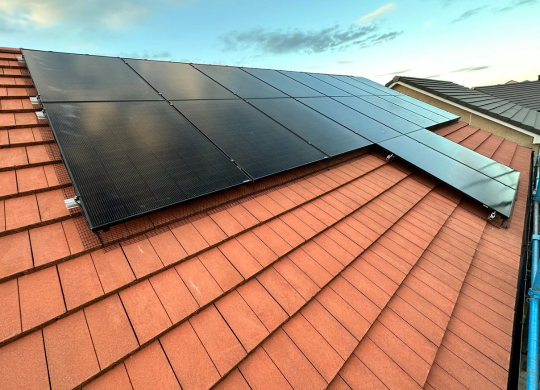
Solar PV generates electricity without burning fuel at the property. Using generation while it is available reduces electricity imported from the grid. Manufacturing, transport and end-of-life treatment still have environmental impacts, so “zero carbon” is not an accurate description of the whole lifecycle.
For Edinburgh and East Lothian homes, roof orientation, shade and seasonal daylight affect generation. A forecast should show annual output and explain the winter reduction. Read about our solar PV design and installation and the Energy Saving Trust’s solar guidance.
Heat pumps and household carbon footprints
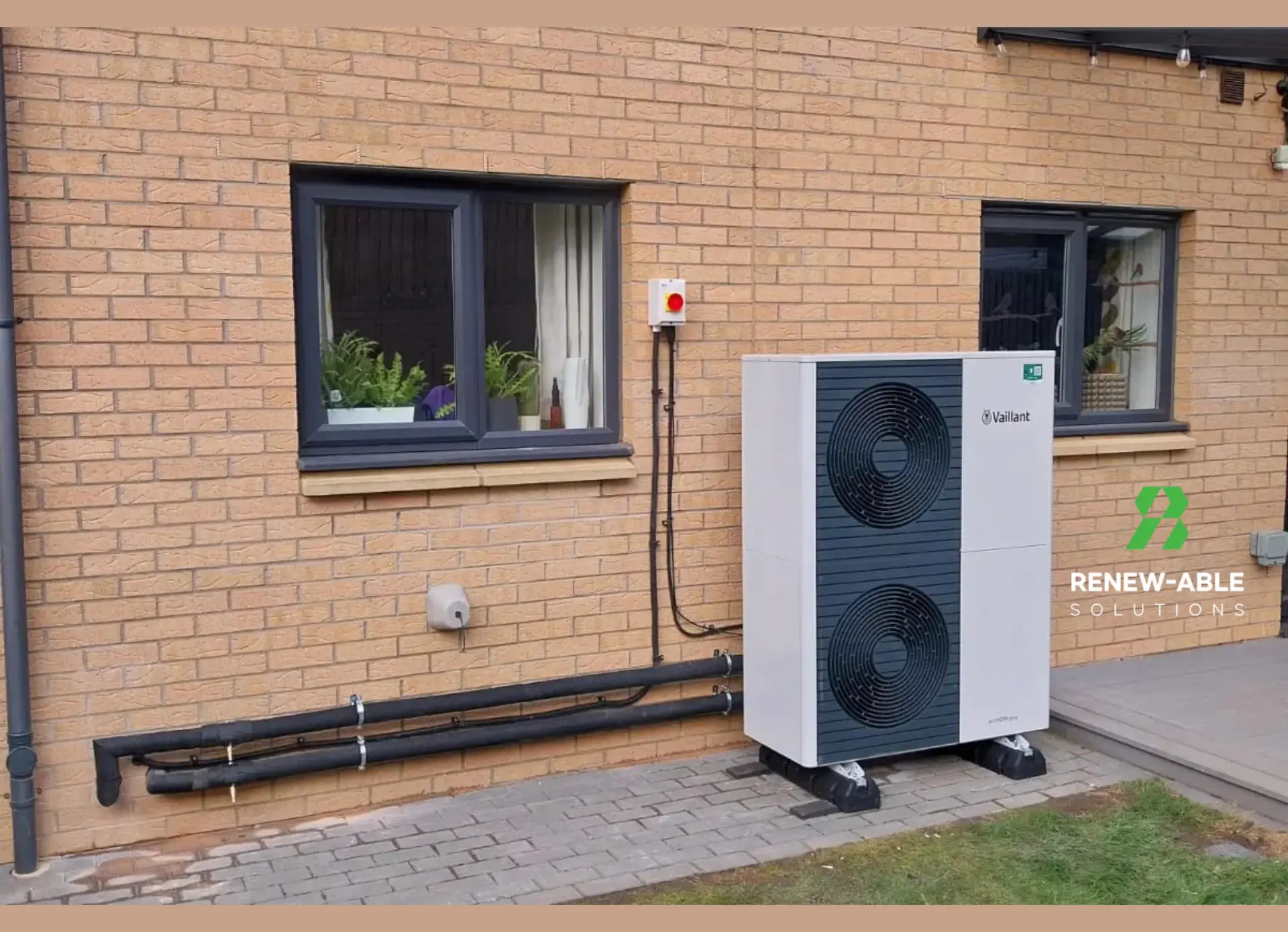
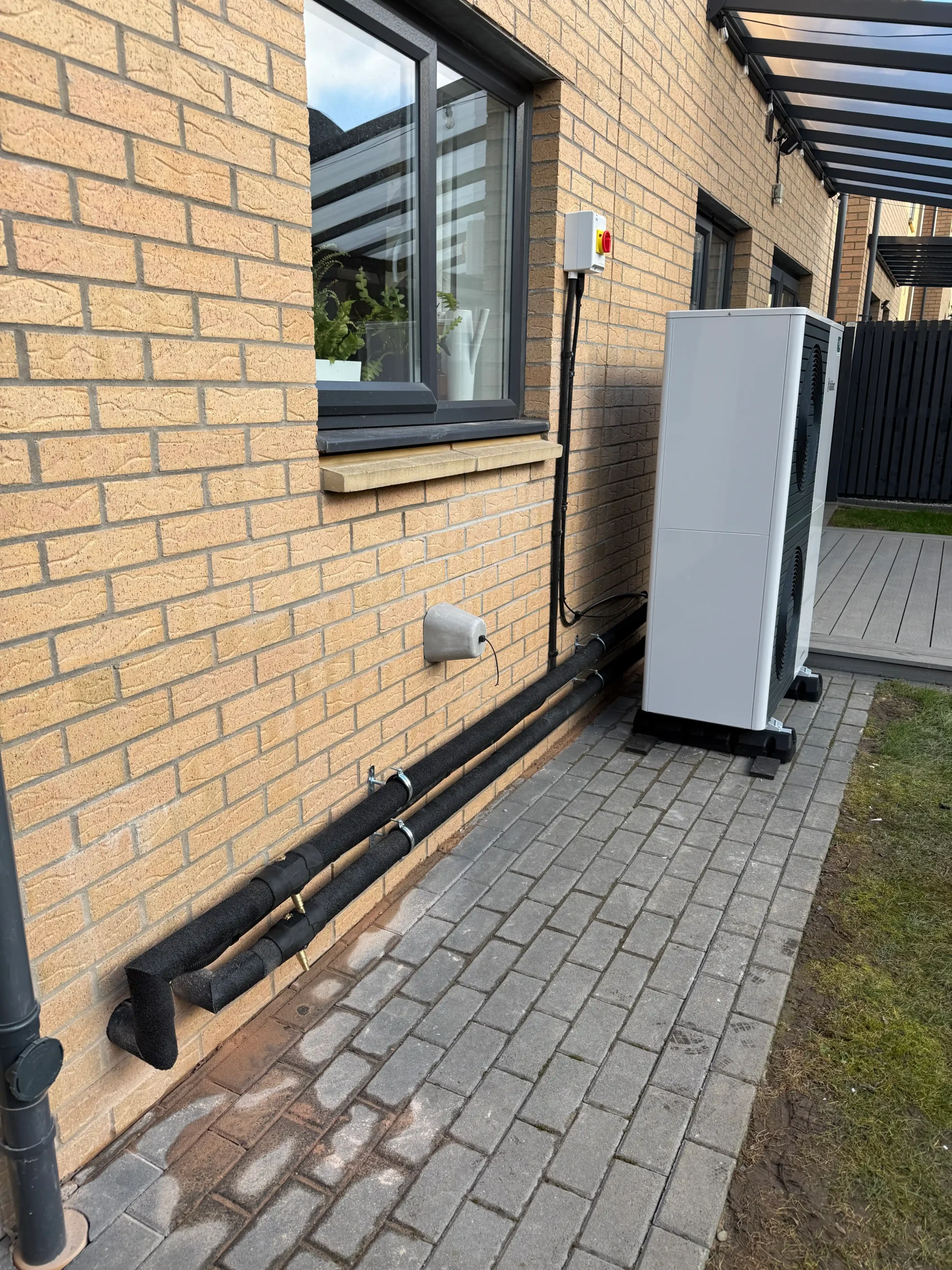
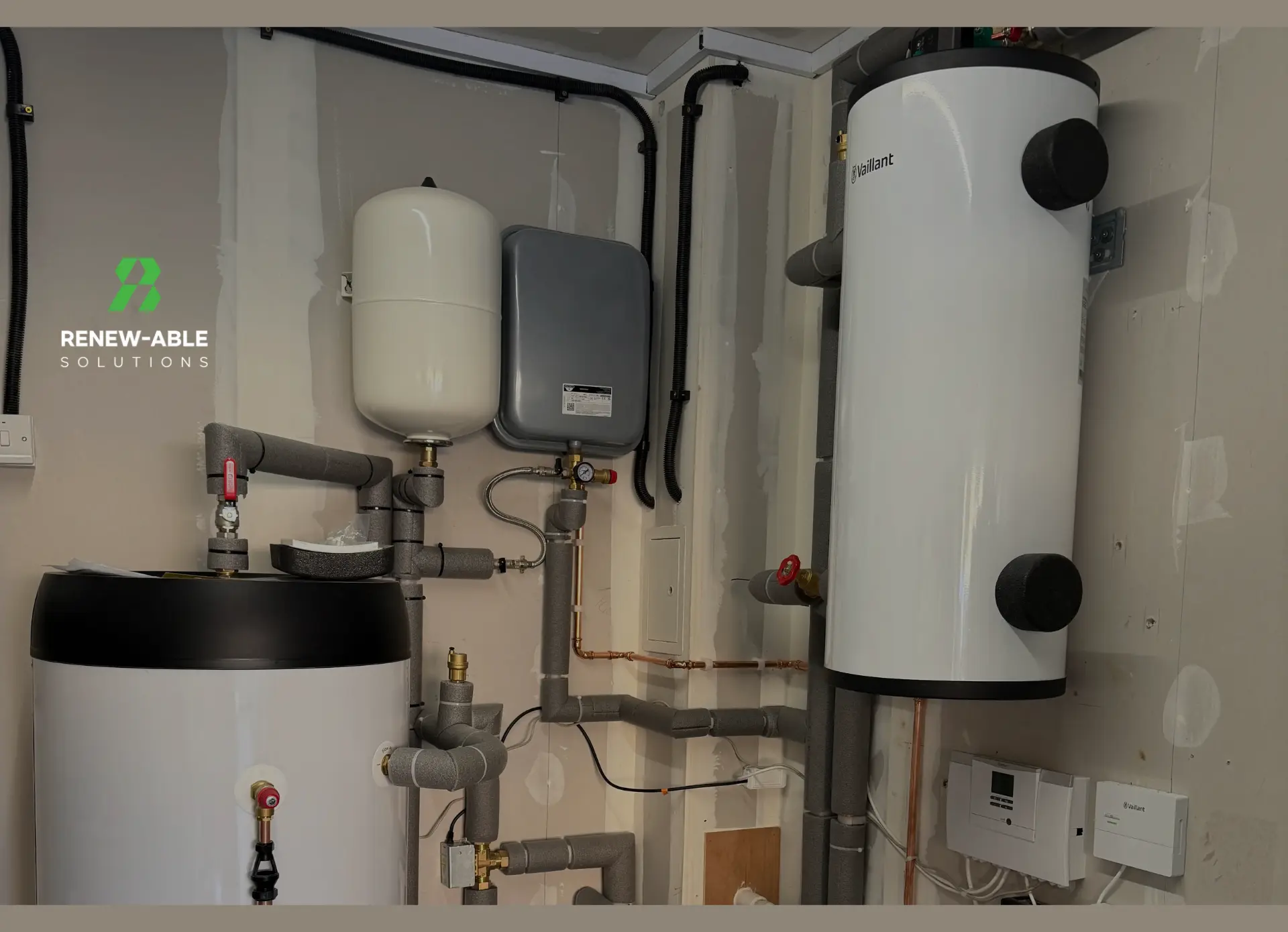
A heat pump moves heat into the home using electricity. Its performance depends on the building, heating-system design, operating temperatures and controls. Replacing fossil-fuel heating can reduce emissions, but running costs need a separate comparison using the proposed system’s seasonal efficiency and your tariffs.
Our heat pump installation assessment considers heat loss, radiators or underfloor heating, hot-water demand and available space. Home Energy Scotland provides independent guidance.
What does a battery add?
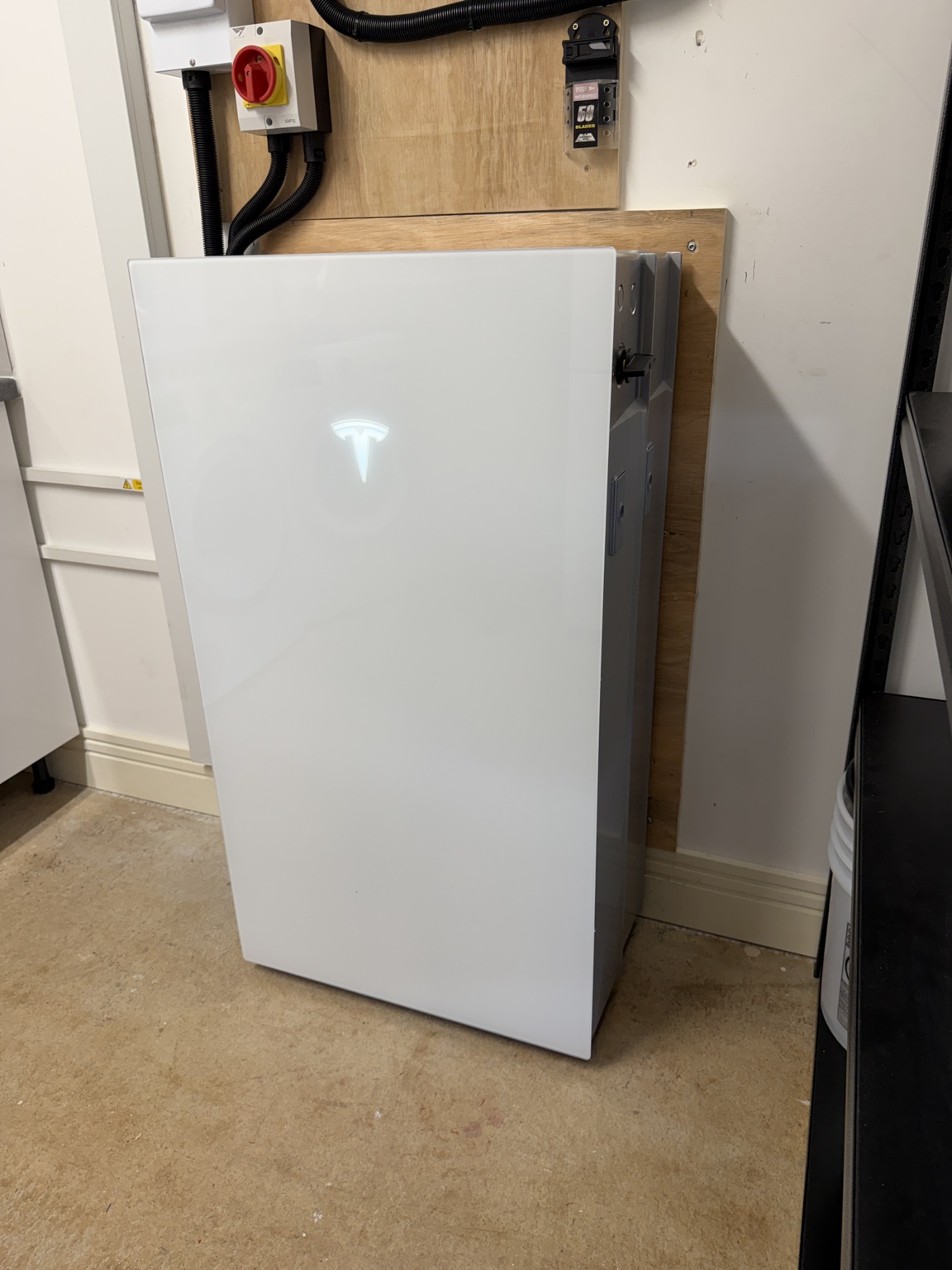
A home battery can move solar generation into the evening. It does not generate energy and charging introduces losses. Charging cheaply from the grid can reduce costs, but the cheapest period is not necessarily the lowest-carbon period.
Battery capacity also does not automatically provide power during an outage. Backup needs compatible equipment, an appropriate installation and an agreed set of loads.
How can you measure progress?
Compare annual energy consumption before and after changes, allowing for weather and lifestyle. Keep generation, import and export records. Use consistent, dated emissions factors if estimating carbon savings, and distinguish forecasts from measured results.
Renew-Able Solutions helps households across Edinburgh, East Lothian and wider Central and East Scotland assess practical options. Contact us with your property details and annual energy use to discuss the next step.
Reviewed 27 September 2026.