The UK climate targets set long-term goals for cutting greenhouse-gas emissions and changing how electricity, heating, transport and industry are powered. The UK has a legally binding target to reach net zero by 2050, while Scotland has set an earlier target of 2045.
These targets influence energy policy, infrastructure, building standards and funding, but they do not mean every existing homeowner is being ordered to install solar panels, replace a boiler or buy an electric vehicle immediately. The practical choices for each property still depend on its condition, energy use, budget and available technology.
UK and Scotland climate targets at a glance
| Target | What it means | Target date |
|---|---|---|
| UK net zero | Economy-wide greenhouse-gas emissions and removals must balance overall | 2050 |
| UK 2030 NDC | At least a 68% reduction in emissions compared with 1990 levels | 2030 |
| UK 2035 NDC | At least an 81% reduction compared with 1990 levels, excluding international aviation and shipping from the headline target | 2035 |
| Scotland net zero | Net-zero emissions of all greenhouse gases under Scottish legislation | 2045 |
| Clean Power | A UK Government pathway for a clean electricity system and the infrastructure needed to support it | 2030 |
The UK’s latest 2035 Nationally Determined Contribution was submitted under the Paris Agreement and raises the headline reduction target from the older 78% figure to at least 81%. The full details are available from the UK Government’s 2035 NDC publication.
What does net zero mean?
Net zero does not mean eliminating every greenhouse-gas emission. It means reducing emissions as far as practical and balancing the remaining emissions with verified removals, such as natural or engineered carbon-removal processes.
The target covers the economy as a whole. Electricity generation, buildings, transport, manufacturing, agriculture and land use all contribute, so no single technology or household measure can deliver net zero by itself.
How are Scotland’s targets different?
Scotland’s statutory target is net zero by 2045, five years earlier than the overall UK target. Climate policy is partly devolved, which means Scottish funding, building standards and delivery plans can differ from those in England, Wales and Northern Ireland.
Scotland now uses five-year carbon budgets to limit the average amount of greenhouse gases emitted during each budget period on the pathway to 2045. This replaced the previous system of annual and interim percentage targets. The current framework is explained by the Scottish Government.
For homeowners, the important point is to check Scottish guidance and funding rather than assuming that an England-only scheme applies.
What is Clean Power 2030?
The Clean Power 2030 Action Plan sets out a pathway towards a cleaner electricity system. It includes expanding renewable generation, reforming grid connections, strengthening networks and developing the storage and flexible capacity needed when electricity demand and renewable output do not match.
Clean power does not mean that every unit of electricity will come directly from a wind turbine or solar panel at every moment. A resilient system also needs grid infrastructure, storage, demand flexibility and other dependable low-carbon capacity.
For homes and businesses, a cleaner grid can reduce the carbon associated with using electricity. Smart tariffs, batteries, EV charging controls and flexible heating can also help move demand away from the busiest periods.
Do homeowners have to replace their gas boiler?
There is no blanket UK rule requiring every existing homeowner to remove a working gas boiler by a fixed date. Standards for new buildings, replacement equipment, funding and future heating policy can change, but they are different from an immediate ban on boilers already installed in occupied homes.
If a heating system is approaching replacement, it is sensible to assess insulation, heat loss, radiator or emitter requirements, electrical capacity and running costs before deciding between another boiler, a heat pump or a staged improvement plan.
What can Scottish homeowners do?
1. Improve energy efficiency first
Reducing heat loss can lower energy demand regardless of the heating technology. Loft, wall and floor insulation, draught reduction, suitable glazing and well-designed heating controls may improve comfort and reduce the size of heating system required.
2. Consider a properly designed heat pump
An air source heat pump transfers heat from outside air into the home. Performance depends on heat-loss calculations, flow temperature, emitter sizing, controls and installation quality. A heat pump should be specified around the property rather than selected using floor area alone.
Renew-Able carries out room-by-room heat-loss calculations and an internal 3D LiDAR survey as part of the design process. Learn more about our air source heat-pump installations.
3. Generate electricity with solar PV
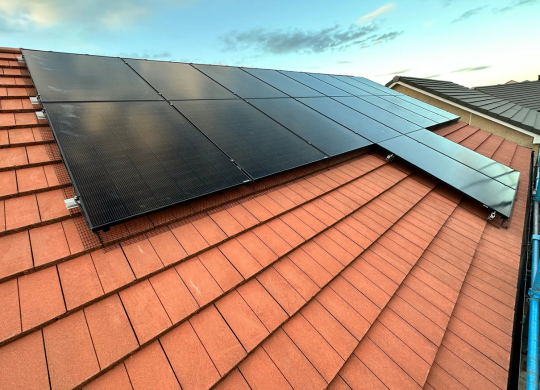
Solar panels can reduce the electricity imported by a property and export surplus generation to the network. Roof direction, pitch, shading, usable area, inverter design and DNO requirements all affect the result.
A site-specific estimate is more useful than a national average. Explore our solar PV installation service.
4. Use battery storage and flexible tariffs
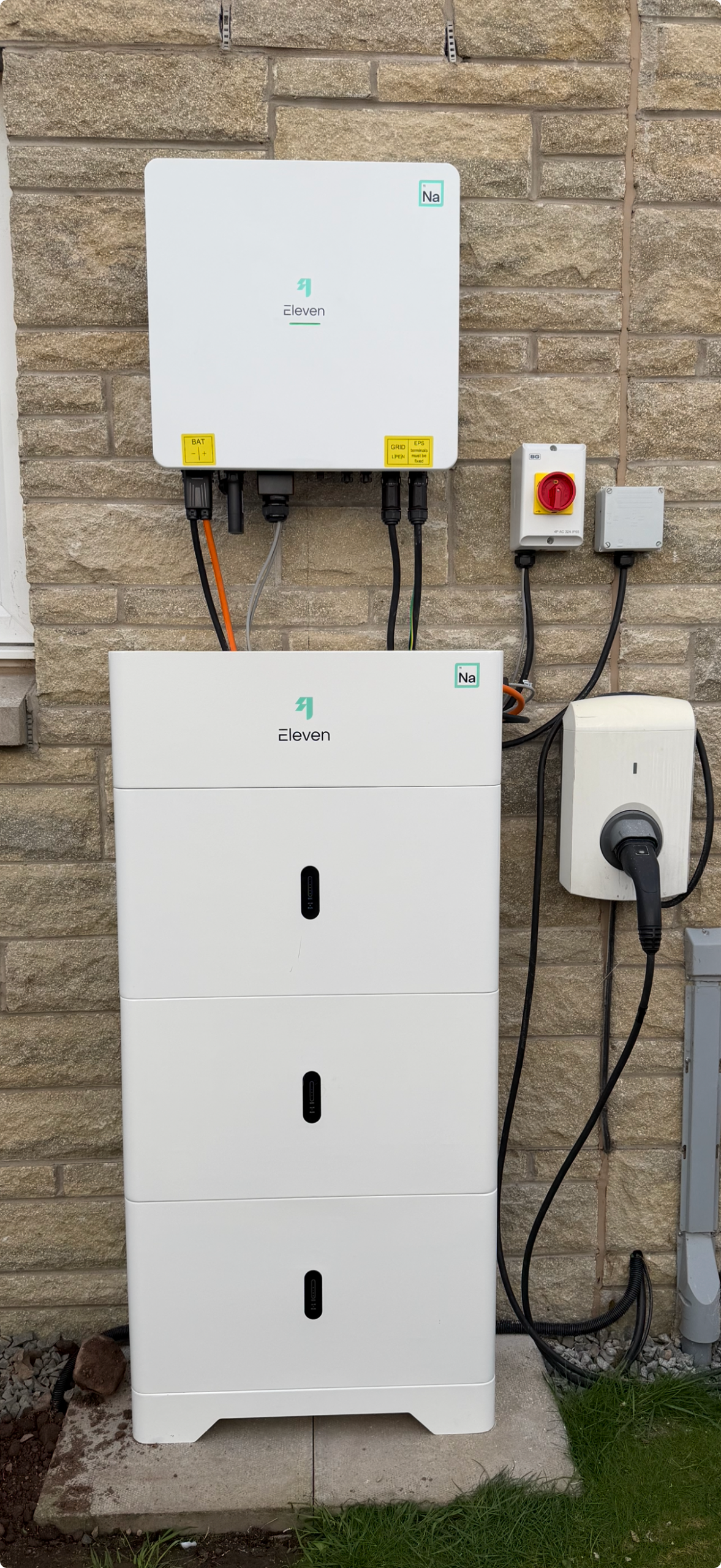
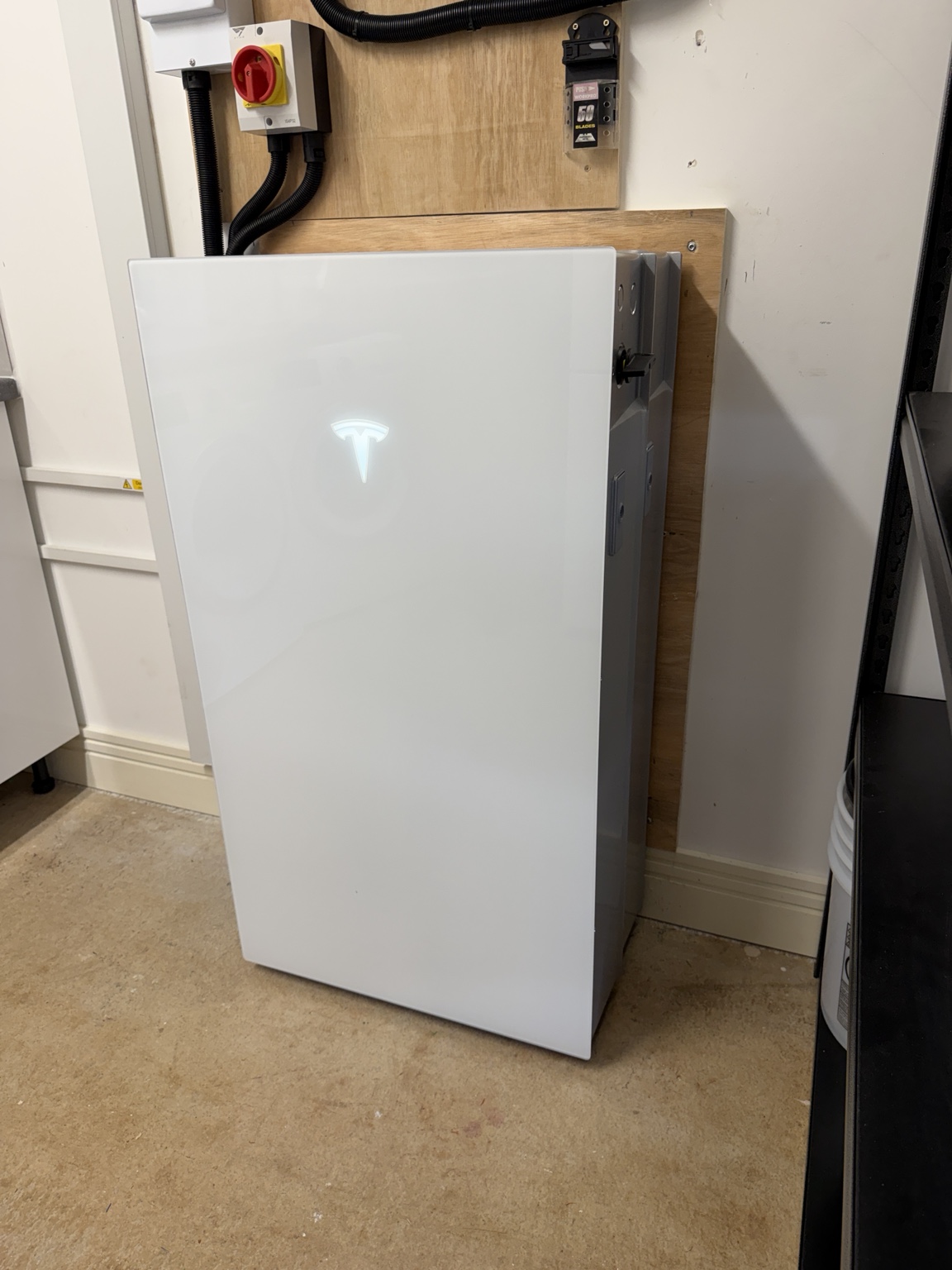
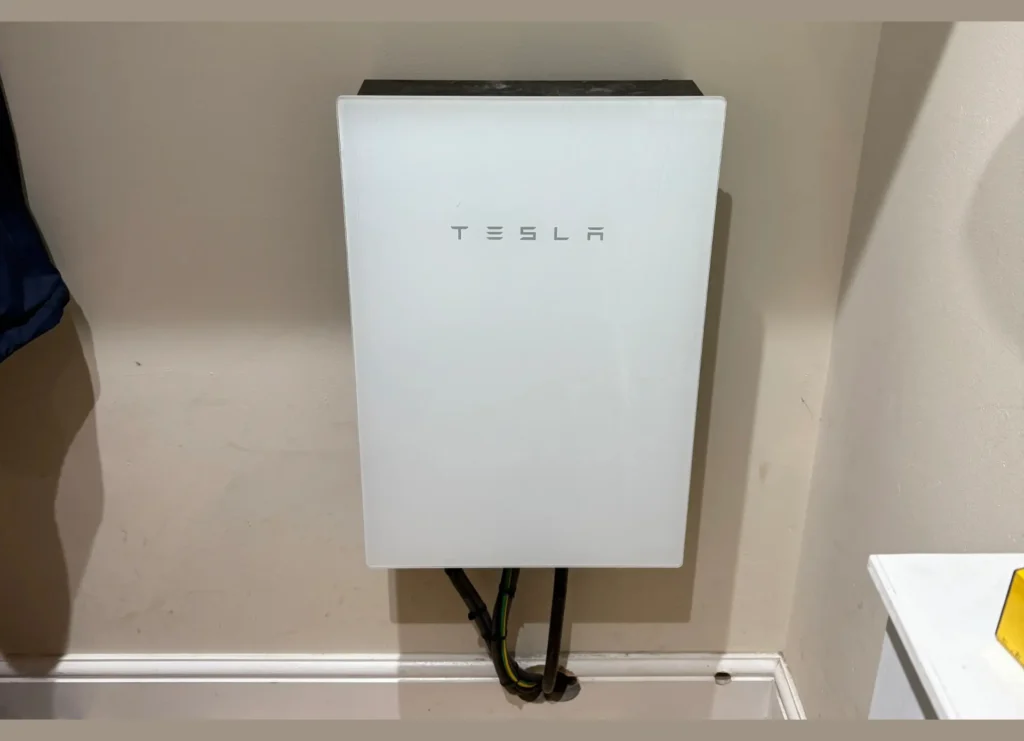
A home battery can store surplus solar electricity or charge during cheaper tariff periods for use later. Financial and carbon benefits depend on system efficiency, usable capacity, charge and discharge power, the tariff and how the household uses energy.
Battery storage can also support a more flexible electricity system, but backup during a power cut is not automatic and must be designed separately. See our battery storage options.
5. Charge an EV intelligently
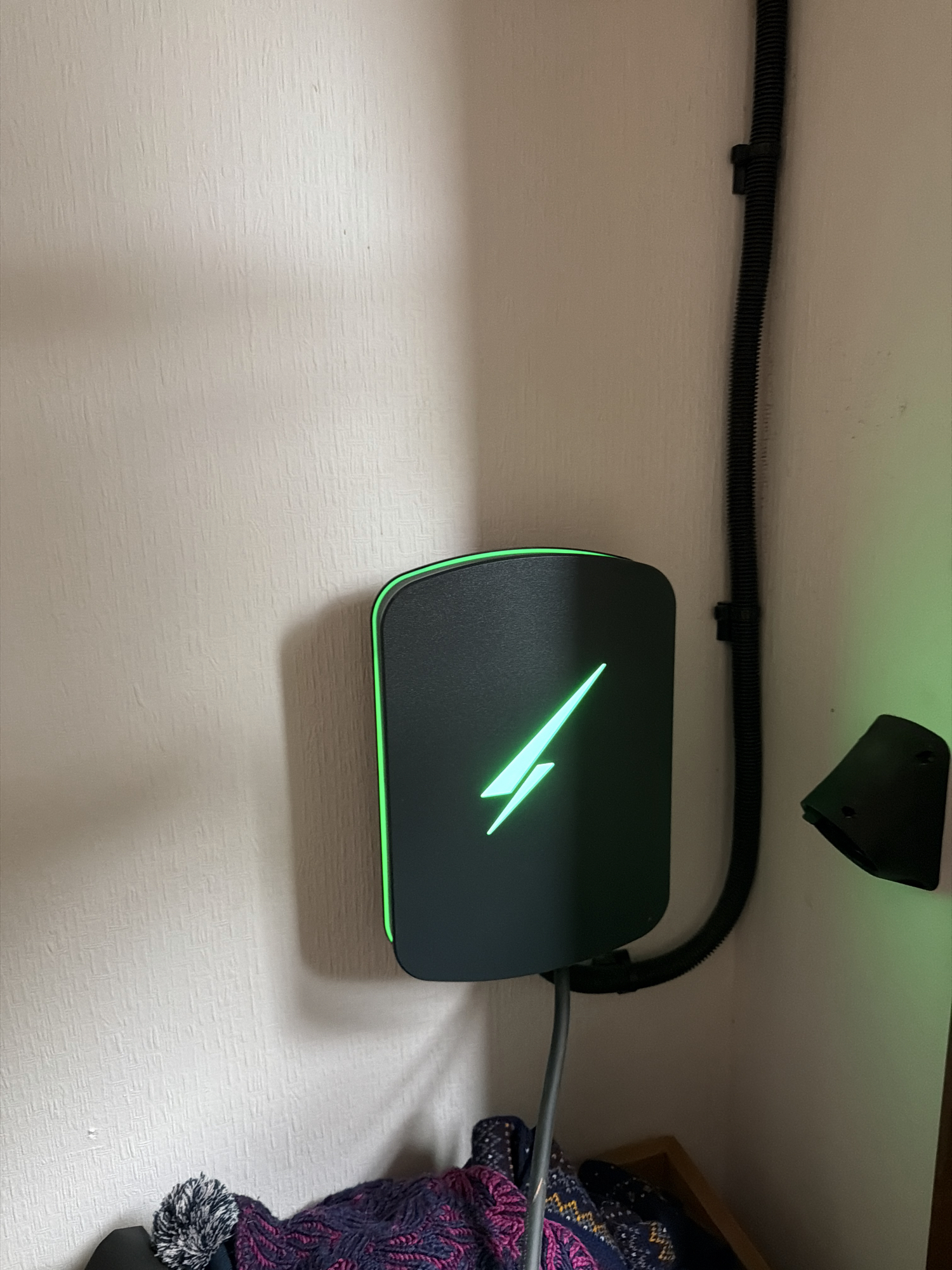
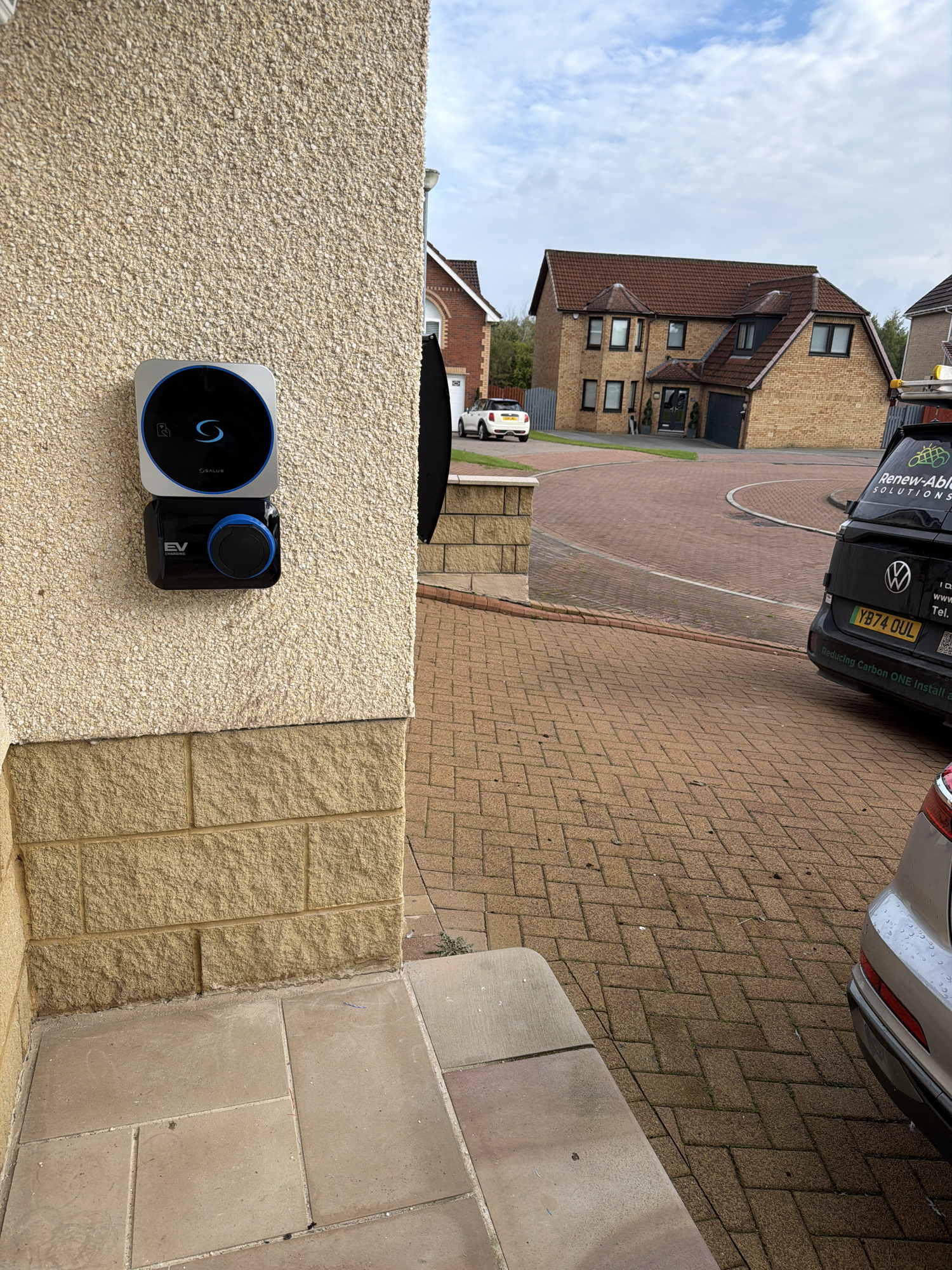
A smart EV charger can schedule charging for off-peak periods and, with compatible equipment, use surplus solar generation. The charger, property supply, maximum demand and DNO requirements must be considered together. Find out about our EV charger installations.
Current Scottish funding for heat pumps
At the time of this update, the Home Energy Scotland Grant and Loan offers eligible homeowners heat-pump grant funding of up to £7,500, or up to £9,000 for qualifying rural and island homes. An optional interest-free loan may be available for remaining eligible costs.
Funding conditions, eligible technologies and availability can change. Homeowners should check the current Home Energy Scotland terms and conditions and secure any required approval before work begins.
Do renewable technologies always reduce bills?
No technology produces identical savings for every property. Results depend on the system design, installation, energy demand, tariffs, maintenance and how the equipment is operated.
Solar PV may perform poorly if heavily shaded or badly sized. A battery may have a long payback if it rarely cycles or is charged on an unsuitable tariff. A heat pump can underperform if the heat loss, emitters or controls are wrong. Good survey data and honest modelling are therefore more valuable than a generic savings promise.
UK climate target FAQs
Is the UK net-zero target legally binding?
Yes. The Climate Change Act establishes the UK’s legally binding target to reach net-zero greenhouse-gas emissions by 2050.
When is Scotland aiming for net zero?
Scotland’s statutory target date is 2045. Five-year carbon budgets now set the emissions pathway towards that target.
Do I have to install solar panels?
There is no general requirement for owners of existing Scottish homes to install solar panels. Planning, building and energy standards may apply in particular circumstances, especially for new construction or major projects.
Will my solar panels work during a power cut?
Ordinary grid-connected solar shuts down when the network fails. Backup requires compatible battery and inverter equipment plus a correctly designed island-mode installation.
Can Renew-Able help with grants?
We can explain the installation and technical information needed for an eligible renewable-heating project. Funding decisions and eligibility remain with Home Energy Scotland and the relevant scheme administrator.
Plan improvements around your property
Climate targets provide direction, but the right household investment comes from understanding the building. Renew-Able Solutions surveys and installs solar PV, batteries, EV chargers and heat pumps across Edinburgh, East Lothian and wider Central and East Scotland.
We can assess energy use, roof potential, heat loss, electrical capacity, DNO requirements and available funding before recommending a practical sequence of improvements.