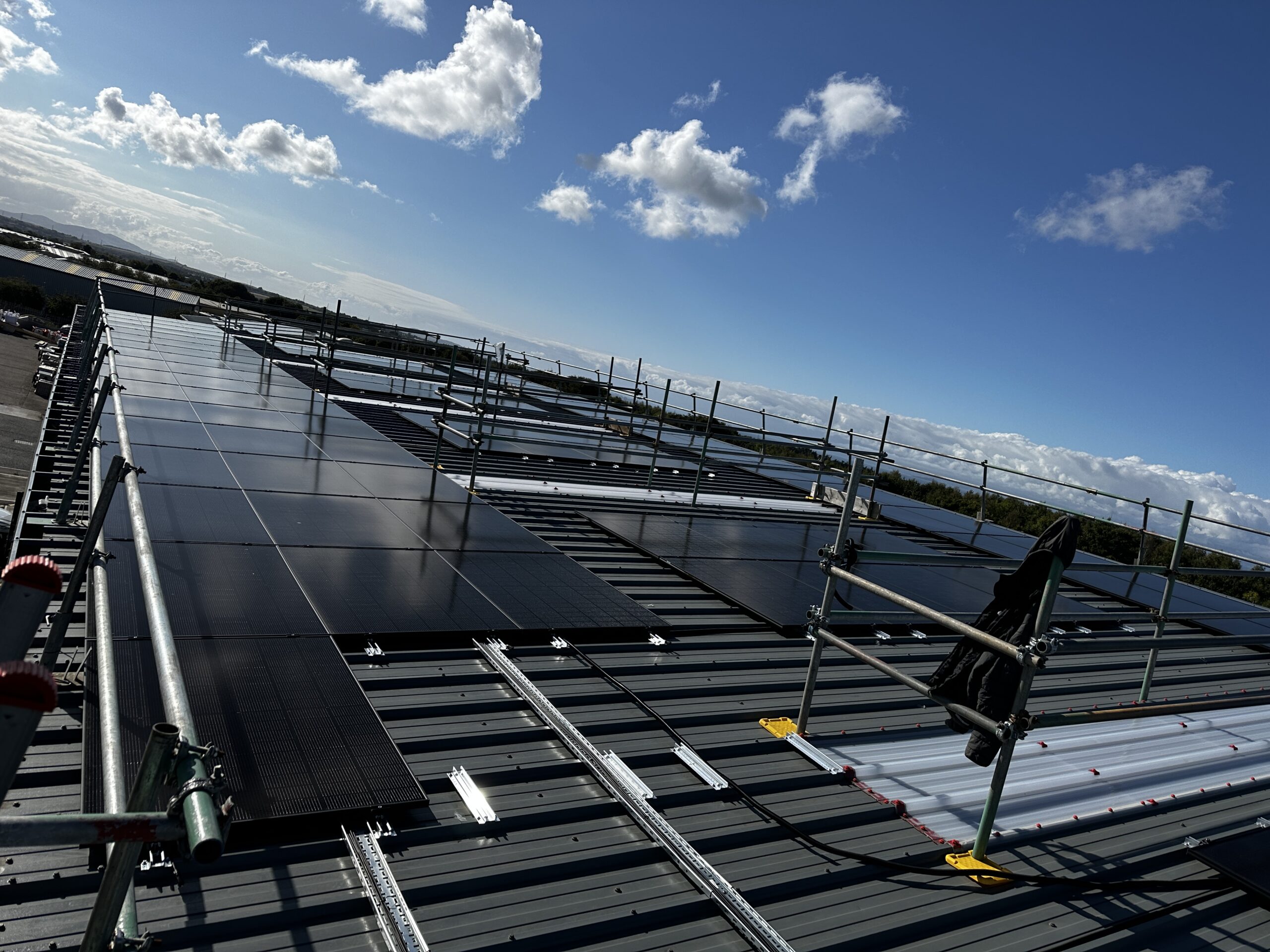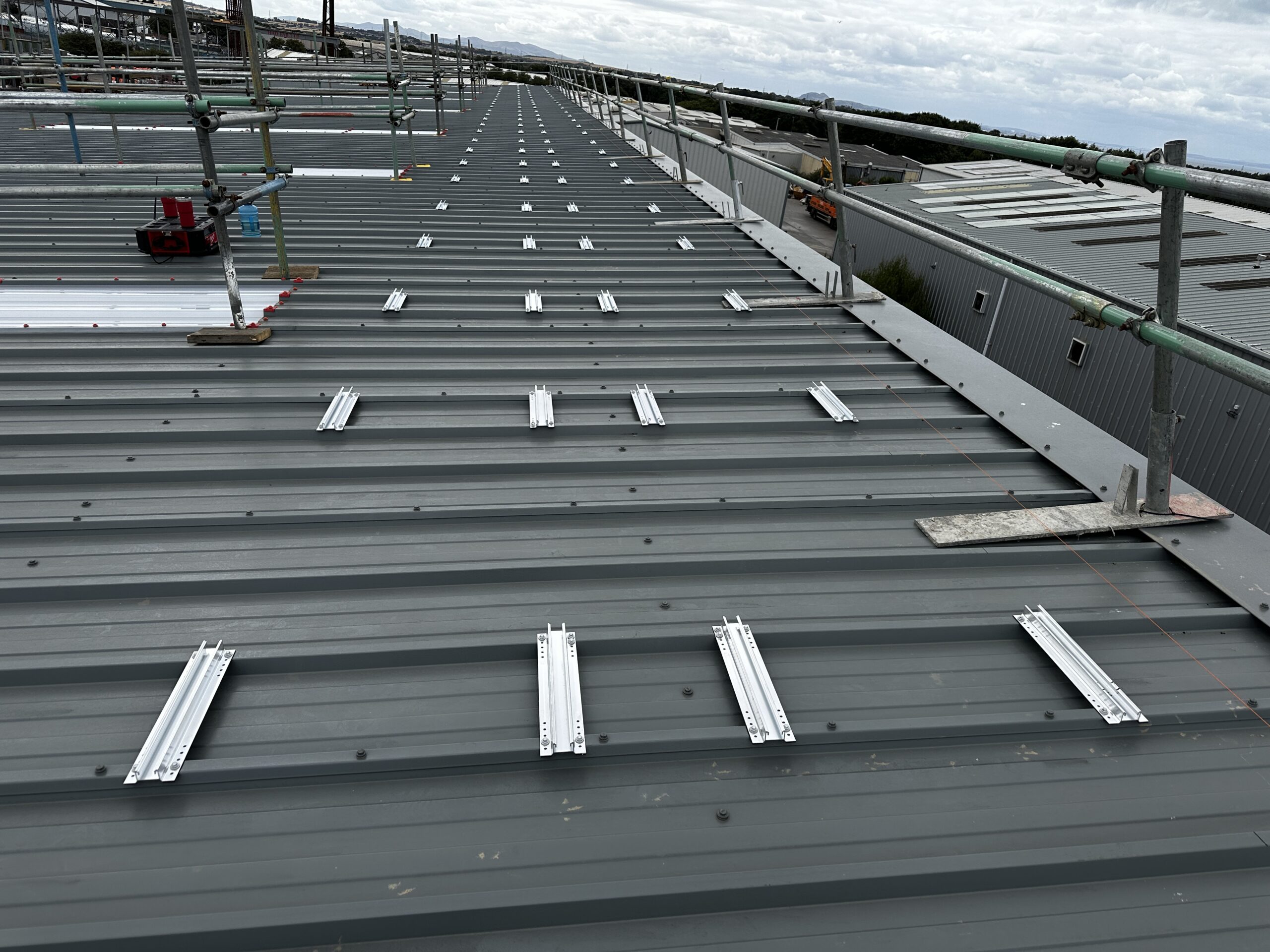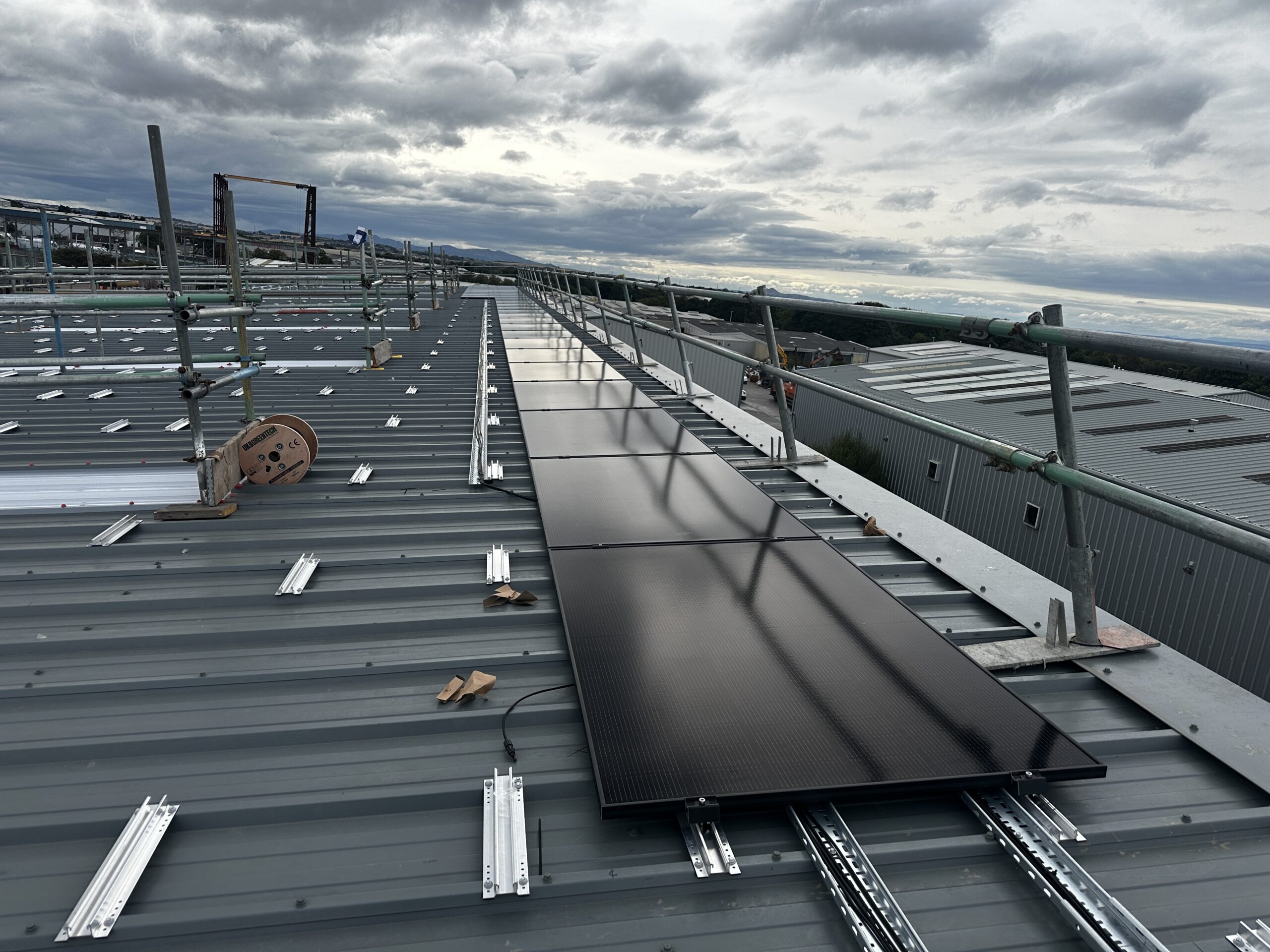
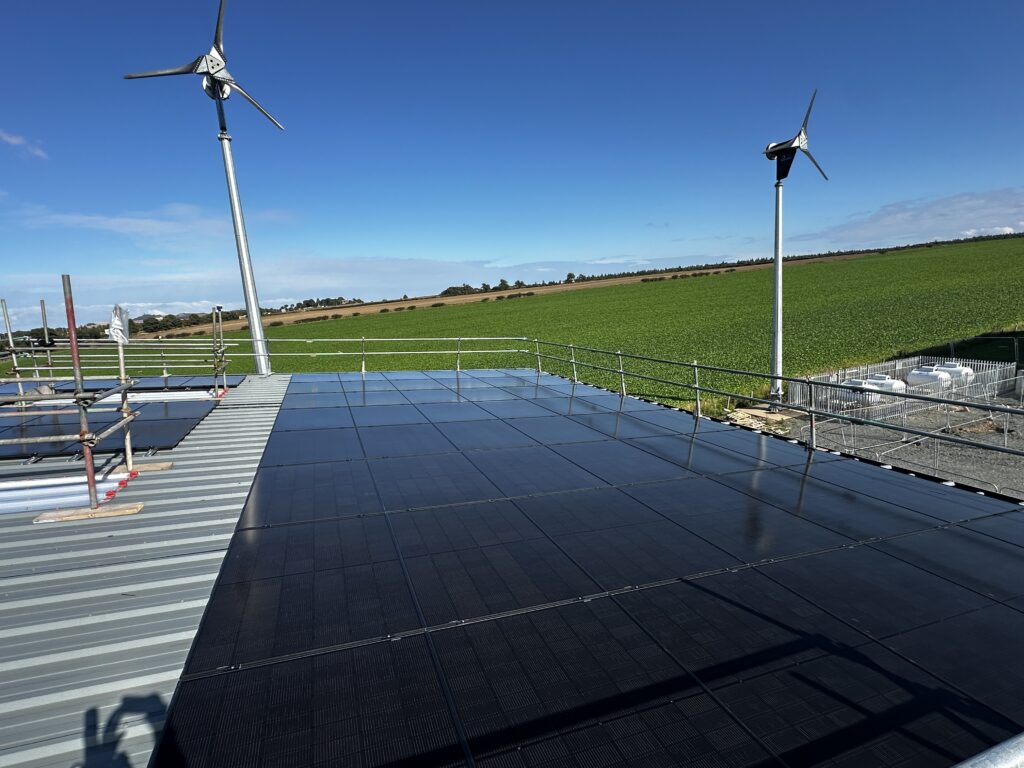
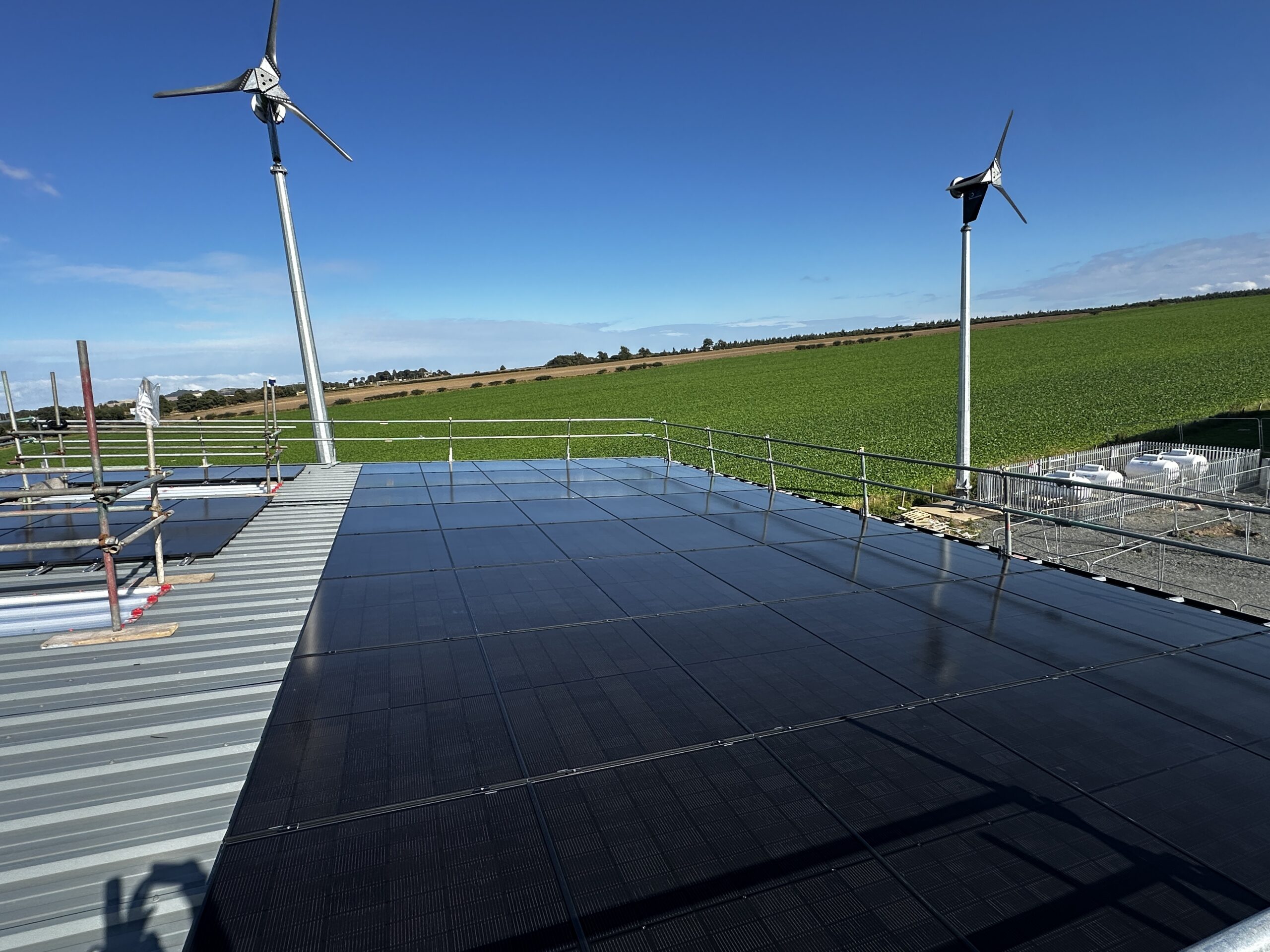
Farm and agricultural buildings can be strong candidates for commercial solar because they often combine large roof areas with regular electricity demand. Suitability still depends on roof condition, structure, consumption, grid connection, planning and how the farm operates throughout the year.
Which agricultural loads can solar support?
Solar generation can offset suitable daytime loads such as milking equipment, ventilation, pumps, workshops, refrigeration, cold storage, packing equipment, water heating and offices. Farm Advisory Service guidance notes that controllable loads such as water heating or ice building for refrigeration can help make use of renewable generation.
Why seasonal demand matters
Farm electricity use can change with milking patterns, harvest, drying, irrigation, livestock housing and cold storage. Twelve months of interval data helps compare these variations with expected solar generation.
Which buildings may be suitable?
- livestock and dairy buildings;
- grain stores and workshops;
- packing and food-processing buildings;
- cold stores and refrigeration sites;
- equestrian and rural commercial premises; and
- suitable ground-mounted locations.
Roof condition and agricultural materials
Older agricultural roofs may need condition, structural and hazardous-material assessment before design. Fragile roofs and fibre-cement products require specialist access planning. Solar should not be installed on a roof likely to need major work soon without considering reroofing or future removal costs.
Planning and grid connection
Some non-domestic rooftop solar benefits from Scottish permitted development rights, subject to conditions and exclusions. Ground-mounted proposals follow separate rules. The local planning authority determines whether consent is required.
Commercial systems may also require a network application. Grid capacity can affect export, equipment and programme, so it should be considered early.
Solar, batteries and controllable loads
A battery may store surplus generation, but shifting controllable loads into solar-producing hours can sometimes be simpler. The options should be compared using the farm’s real consumption and operational needs.
Installation around farm operations
Access routes, livestock, deliveries, machinery, biosecurity, working at height, lifting and electrical shutdowns need coordination. The programme should reflect busy periods rather than assume the site can stop operating.
What to send for an assessment
Provide the farm postcode, bills, half-hourly data where available, roof plans or photographs, operating patterns and details of future loads. Renew-Able Solutions can explain the appropriate agricultural solar feasibility stage.