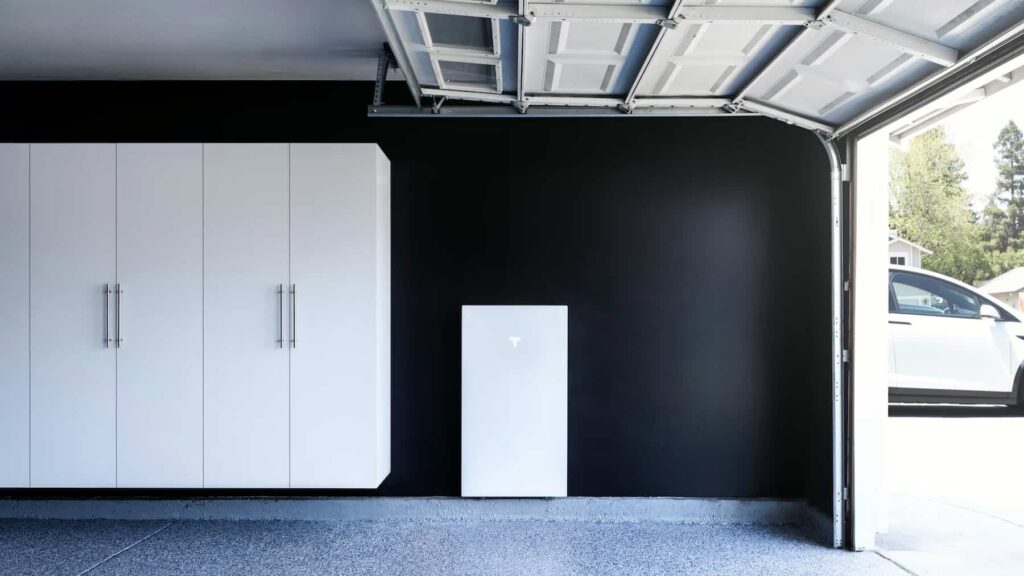
Choosing AC coupled vs DC coupled battery storage depends on the equipment you already own and what you want the system to do. AC coupling often suits adding storage to existing solar. DC coupling can suit a new solar-and-battery installation using a compatible hybrid inverter. Neither is automatically best for every home.
What is an AC coupled battery?
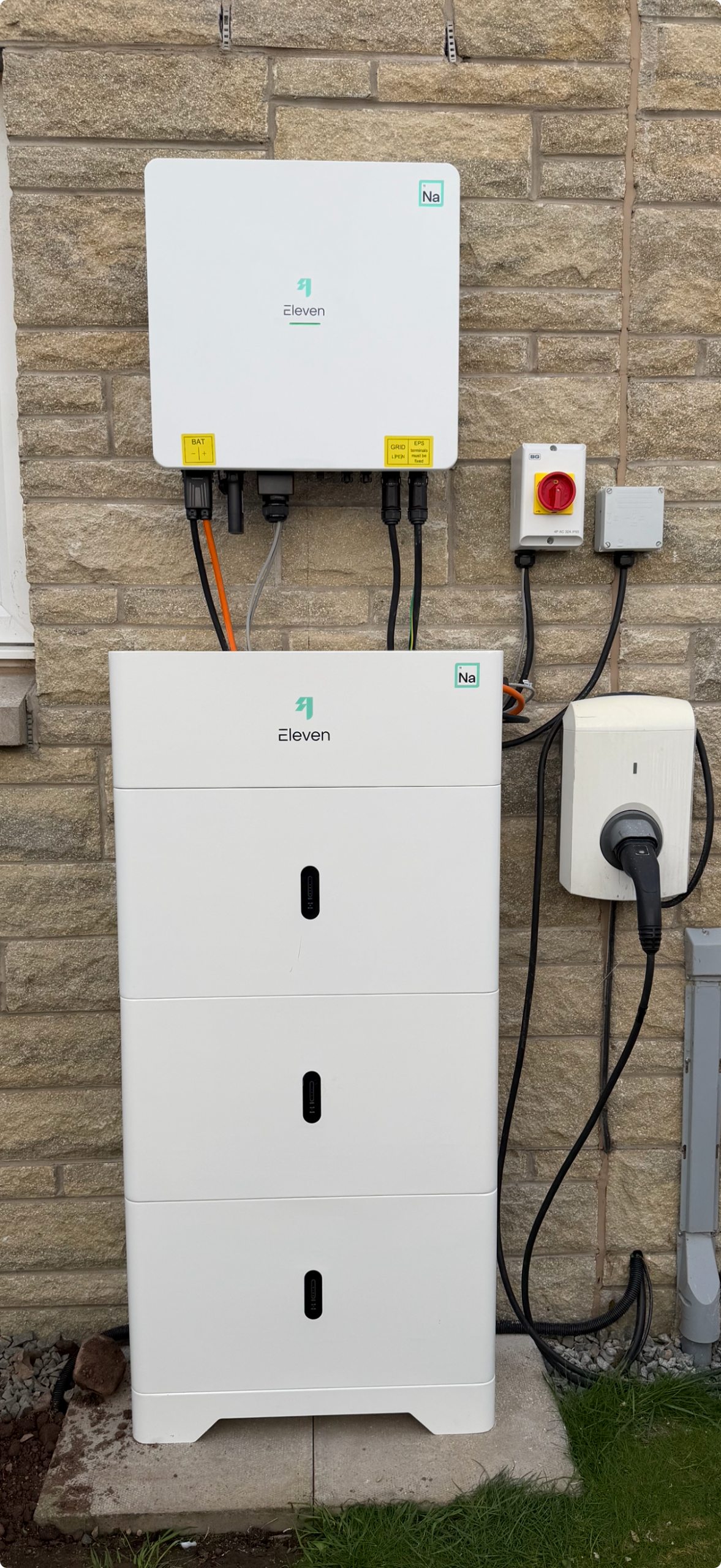
An AC coupled battery has a battery inverter connected on the home’s AC electrical side. The solar inverter and battery inverter are separate. This can allow an existing solar inverter to remain in use, subject to design and compatibility checks.
When solar energy charges the battery, it normally passes through DC-to-AC and AC-to-DC conversion before later returning to AC for household use. These conversions introduce losses. Assess the complete system’s efficiency rather than comparing one component in isolation.
What is a DC coupled battery?
A DC coupled arrangement connects a compatible battery on the DC side of a hybrid inverter. Solar energy can charge the battery without first becoming household AC electricity. This can reduce conversion stages, but the actual benefit depends on the products, operating conditions and energy flows.
Replacing an existing inverter to achieve this may add cost. Battery voltage, communications, approved compatibility and future expansion limits must all match. Different manufacturers’ batteries cannot simply be mixed because they have similar capacities.
Which approach suits an existing solar installation?
Start with the inverter model, installation records, metering arrangement and current performance. An AC coupled option may retain more existing equipment. A hybrid replacement may be appropriate if the inverter is due for replacement or the proposed design offers a clear benefit.
If you receive Feed-in Tariff payments, check proposed changes with your FIT licensee before work. Storage and metering must not cause ineligible electricity to be counted as generation. See Ofgem’s guidance on co-located storage and support schemes.
Does either type automatically provide backup?
No. Backup depends on the inverter, gateway or changeover arrangement, electrical design and commissioned settings. Some systems support selected circuits; others can support a wider installation within a defined power limit. Battery capacity in kWh and output power in kW determine different limits.
Read our home battery power-cut guide and specify the appliances you want supported before selecting equipment.
How should you compare quotations?
Compare usable capacity, continuous output, charging limits, expected losses, warranty conditions, monitoring, expansion options and total installed cost. Include network notification or approval requirements and any export-limitation controls. A larger battery or more expensive inverter does not guarantee a better return.
Our battery storage service assesses existing equipment and household demand. For a new array, see our solar PV installation service. We help homeowners in Edinburgh, East Lothian and wider Central and East Scotland compare an integrated design.
Send us your solar inverter details and annual electricity use to discuss suitable options.
Reviewed 27 September 2026.