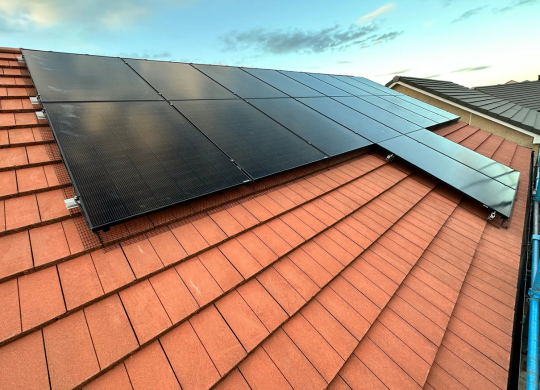
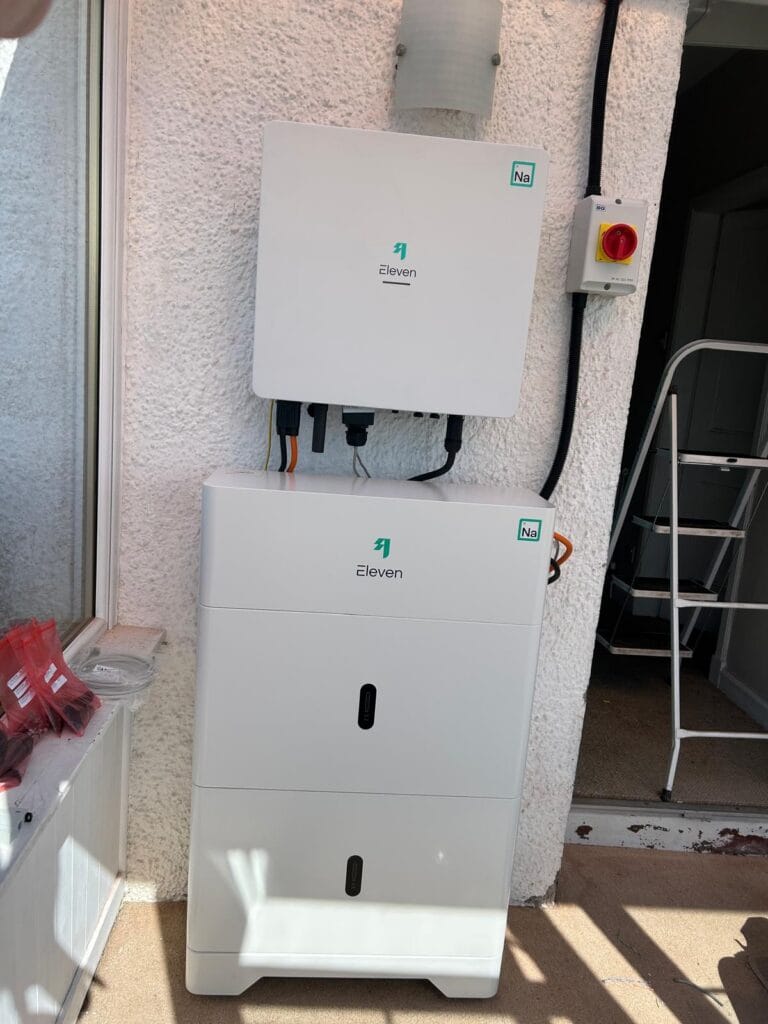
Your older solar panels may still be doing a good job. Yet much of their daytime output leaves the house before you return. Adding battery storage can help move some of that energy into the evening. The important starting point is protecting the way your existing system is measured.
A battery does not automatically stop Feed-in Tariff payments. However, the design must allow eligible generation, and metered export where relevant, to be measured correctly. Discuss the proposed arrangement with your FIT licensee before committing to the work.
For homes in Edinburgh and East Lothian with established solar systems, this is a retrofit question with two parts: whether storage is worthwhile, and how it fits the existing paperwork.
Want advice for your home? Call 0131 210 0405 or send an enquiry to Renew-Able Solutions.
Battery storage: separate generation and export payments
The Feed-in Tariff, usually shortened to FIT, can include a generation payment and an export payment. Those are different things. Your generation meter records the eligible electricity produced by the accredited installation.
Export payments may use a meter or a deemed calculation, depending on the arrangement. Therefore, a battery proposal should identify which method applies before estimating savings.
Ofgem’s guidance for FIT generators explains the central requirement: supported generation must remain distinguishable from other electricity sources. A verbal promise that “all batteries are fine with FIT” is not a substitute for checking the actual wiring and meters.
Why battery storage changes the design discussion
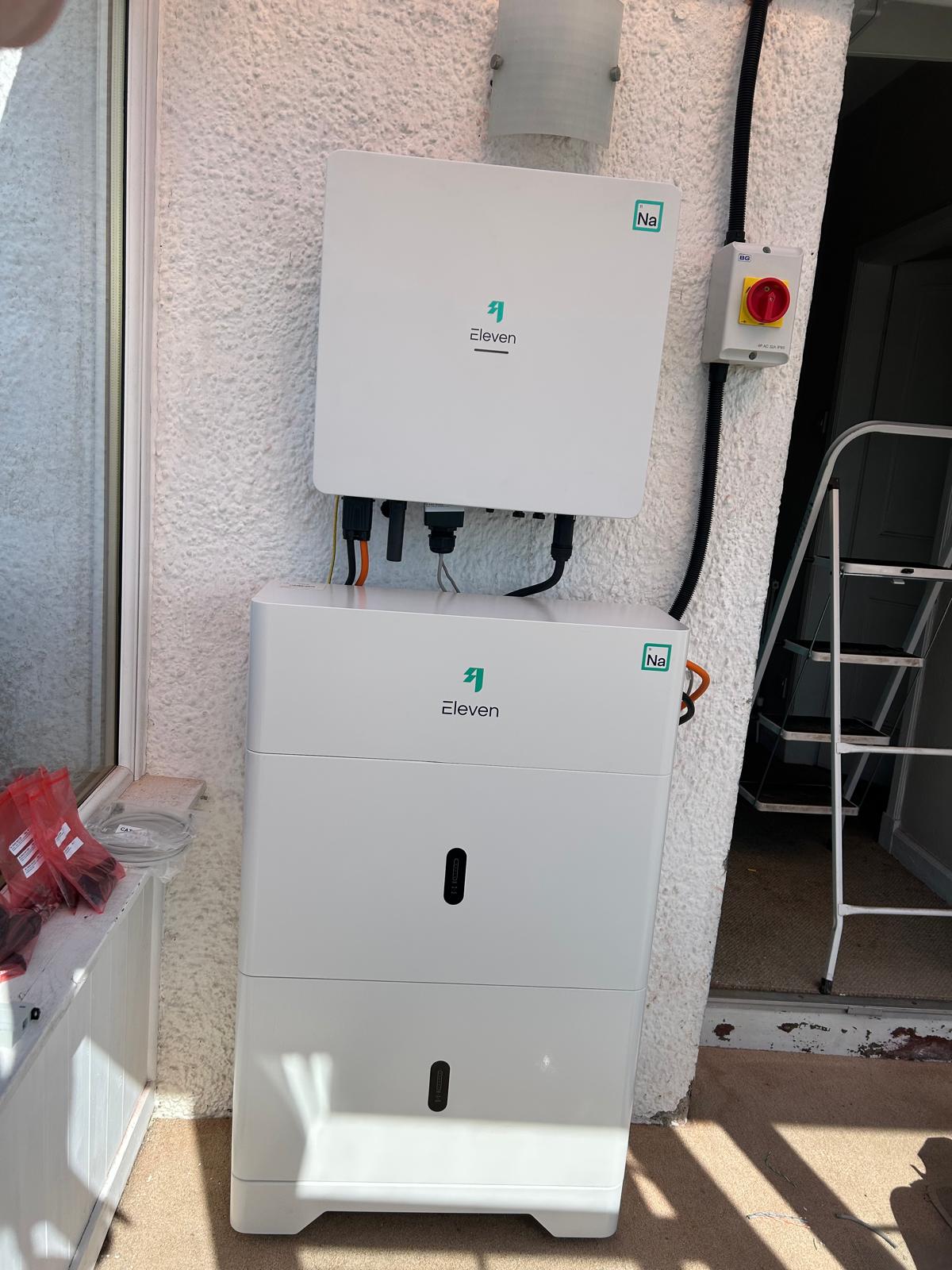
A battery can receive energy from solar, the grid or both, if the equipment and settings support it. That creates more than one route for electricity through the home. The metering design must avoid counting imported grid electricity as eligible solar generation.
Ask the installer for a diagram showing the solar inverter, battery equipment, generation meter and grid meter. Then ask which energy flows each meter will record.
You do not need to become an electrical designer. You do need a clear explanation that your FIT licensee can assess. Keep the approved proposal with the final handover documents.
AC coupling can be an option, but it is not an automatic answer
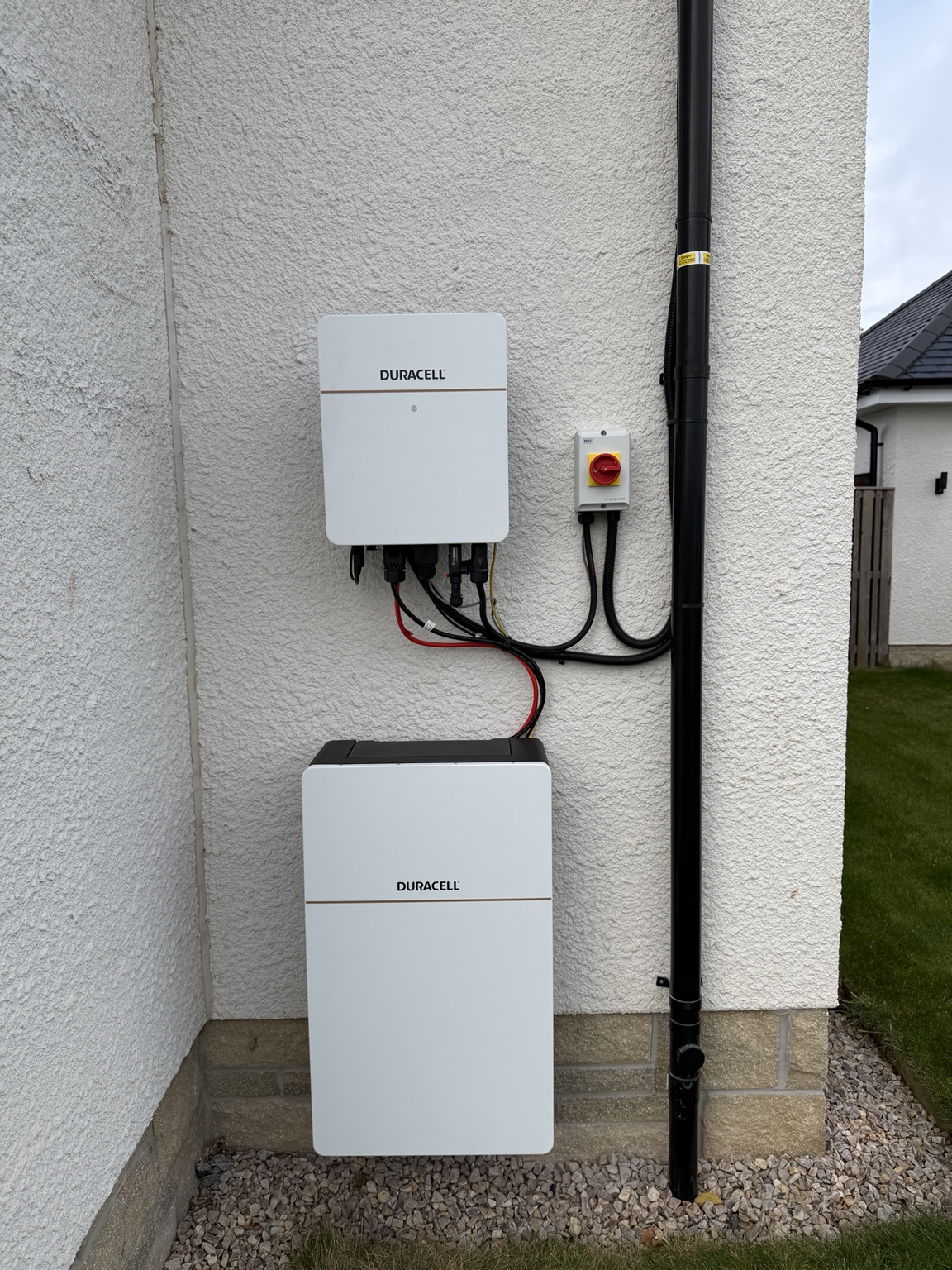
An AC-coupled battery has its own conversion equipment and can often sit alongside an existing solar inverter. As a result, a retrofit may be possible without replacing a working solar inverter.
Alternatively, a hybrid arrangement may combine solar and battery functions. That can change more of the existing system. Compatibility, metering, inverter condition and future expansion all need review.
Our AC-coupled versus DC-coupled battery guide covers the broader comparison. Neither label alone confirms FIT compatibility. The specific arrangement and its measurement are what matter.
Five documents to find before requesting a quote
- Your FIT statement or registration details, including the licensee handling payments.
- The original installation certificate and commissioning information.
- Generation and export meter details, plus recent readings.
- The existing inverter model and any network connection documents.
- Twelve months of import usage, with export readings if available.
If a document is missing, explain that at the start. Photographs of accessible equipment labels can help identify the system. Leave electrical covers and sealed meters alone.
Also say whether anyone has already added panels or replaced the inverter. An installer needs the current configuration, not just the original sales quotation.
Check network approval separately from FIT
Your FIT licensee deals with scheme payments. The distribution network operator, or DNO, deals with the connection to the local electricity network. Approval from one does not settle the other.
A new battery inverter can alter the generation arrangement even if you intend to keep the same export limit. Read our G98, G99 and G100 explanation and ask your installer to identify the correct route for the complete system.
For practical paperwork questions, our DNO applications guide is the next step.
Calculate the extra value of battery storage
Start with the household’s evening imports and actual solar surplus. A battery can only shift energy that is available, and charging and discharging involve losses.
For metered export, storing solar can mean giving up export income. Compare the imports avoided with the exports forgone. If your export payments are deemed, ask the licensee how the proposed arrangement affects that basis. Do not assume it continues unchanged.
Cheap overnight charging may add another benefit. However, tariff eligibility, daytime prices and usable battery capacity all affect the result. The same stored unit cannot simultaneously earn export income and avoid a household import.
Request a solar-only baseline and a separate battery scenario. This makes it easier to see whether the retrofit is buying bill savings, backup capability, flexibility, or a combination.
Battery storage questions to settle before installation
Can I keep my working solar inverter?
Possibly. An AC-coupled design may allow it, but its condition and the full electrical arrangement need checking. Replacing it should have a clear technical or economic reason.
Does a battery provide power during an outage?
Only if the installation includes suitable backup equipment, controls and circuits. Storage for tariff savings does not automatically provide backup.
What should I receive at handover?
Keep the final circuit diagram, settings, certificates, warranties and written correspondence about FIT and network requirements. These records matter when equipment changes again or the property is sold.
Talk through your next step
Tell us your solar installation year, inverter model and whether you receive FIT payments. We can review the retrofit questions with you.
Explore our battery storage service, call 0131 210 0405 or submit an enquiry. Renew-Able Solutions serves Edinburgh, East Lothian and surrounding areas; tell us your postcode so we can confirm suitability and coverage.
Technical sources and examples checked on 3 October 2026. Illustrative figures are not quotations or guaranteed savings.