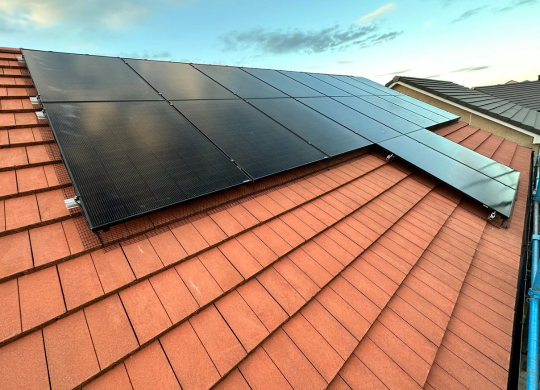
Solar panels can affect an EPC assessment, but there is no guaranteed number of points or band improvement for every home. The outcome depends on the property, the installed system and the assessment methodology in use.
What does an EPC measure?
An Energy Performance Certificate assesses a building using a defined method and standard assumptions. It is not simply a copy of your electricity bills or a measurement of how one household uses the property.
How are solar panels relevant?
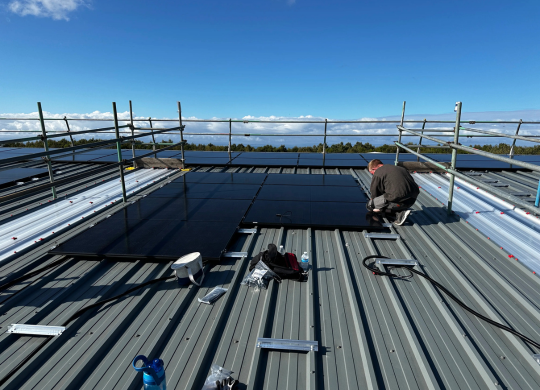
Solar generation may affect the calculated energy performance. Therefore, the assessor needs appropriate evidence of the installation. Array size, orientation and other recorded details can matter, while the rest of the building still influences the result.
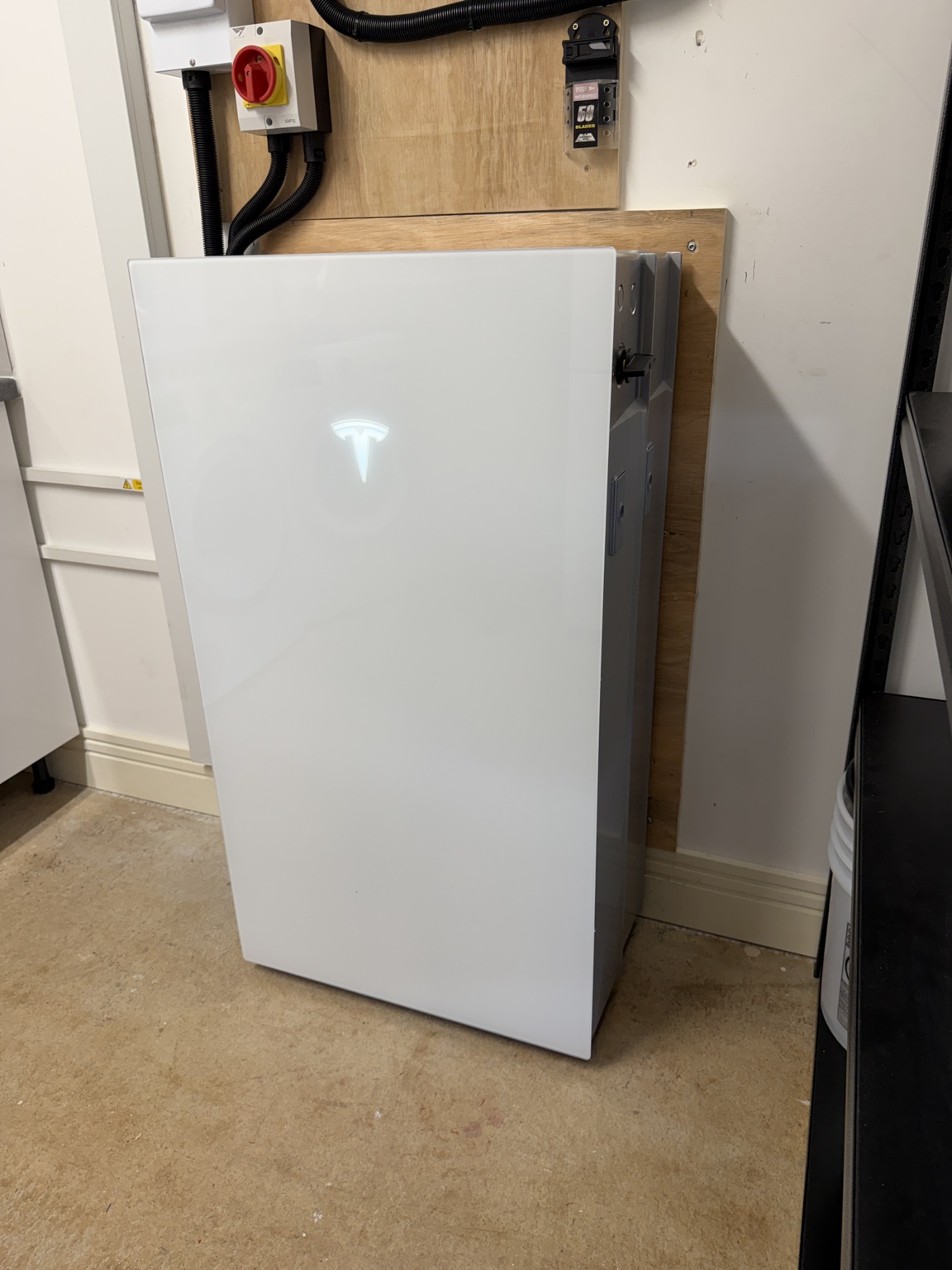
However, do not assume a battery receives the same treatment as solar PV. Ask an accredited assessor how the applicable methodology accounts for your equipment.
Which records should you keep?
Retain commissioning documents, equipment details, certificates, warranties and installation drawings where supplied. If you need an EPC for a sale, tell the assessor about the system and provide the evidence they request.
Does a better EPC guarantee a higher sale price?
No. Buyers consider many factors, so no one can promise a fixed increase in property value. Also, an improvement in the calculated rating differs from changes to actual bills or market value.
Check current Scottish guidance
Scotland’s EPC arrangements are changing. Read the Scottish Government’s EPC reform guidance and confirm the rules applying when your assessor visits.
For the installation decision itself, see our Edinburgh solar value guide. Choose a system around energy use and roof suitability rather than a promised EPC band.
Solar design for your property
Renew-Able Solutions assesses roofs and electricity use across Edinburgh, East Lothian and wider Central and East Scotland. Explore our solar PV installation service or contact us for an assessment.
Reviewed 27 September 2026.