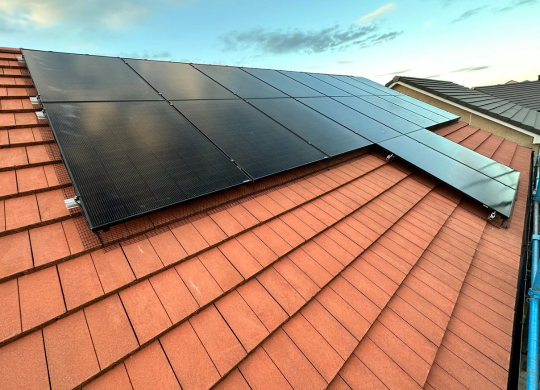
The pros and cons of solar panels depend on the property and how electricity is used. Solar can reduce grid purchases and generate export income, but it requires an upfront investment and produces variable energy through the year.
What are the main benefits?
Using your own generation can avoid some imported electricity. Eligible exports can earn payments, and solar can reduce reliance on purchased energy. Flexible daytime demand can help make use of generation.
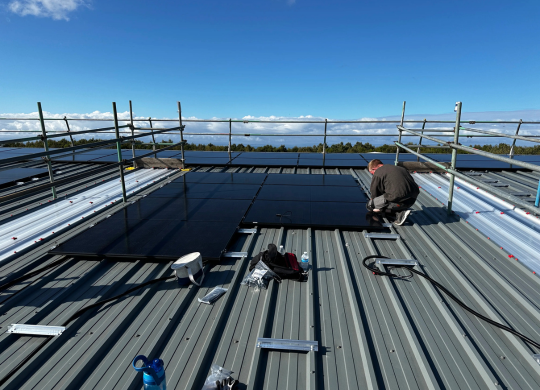
A well-designed installation can work on different suitable roof layouts. It does not require hot weather, although daylight, shade and season affect output.
What are the main limitations?
Installation cost, roof suitability and safe access matter. Generation is lower in winter and stops at night. Equipment may need maintenance or replacement, and tariffs can change the financial result.
Solar does not guarantee a fixed payback period or property-value uplift. Ask for assumptions specific to the house, and compare less favourable outcomes as well.
Does a battery solve every limitation?
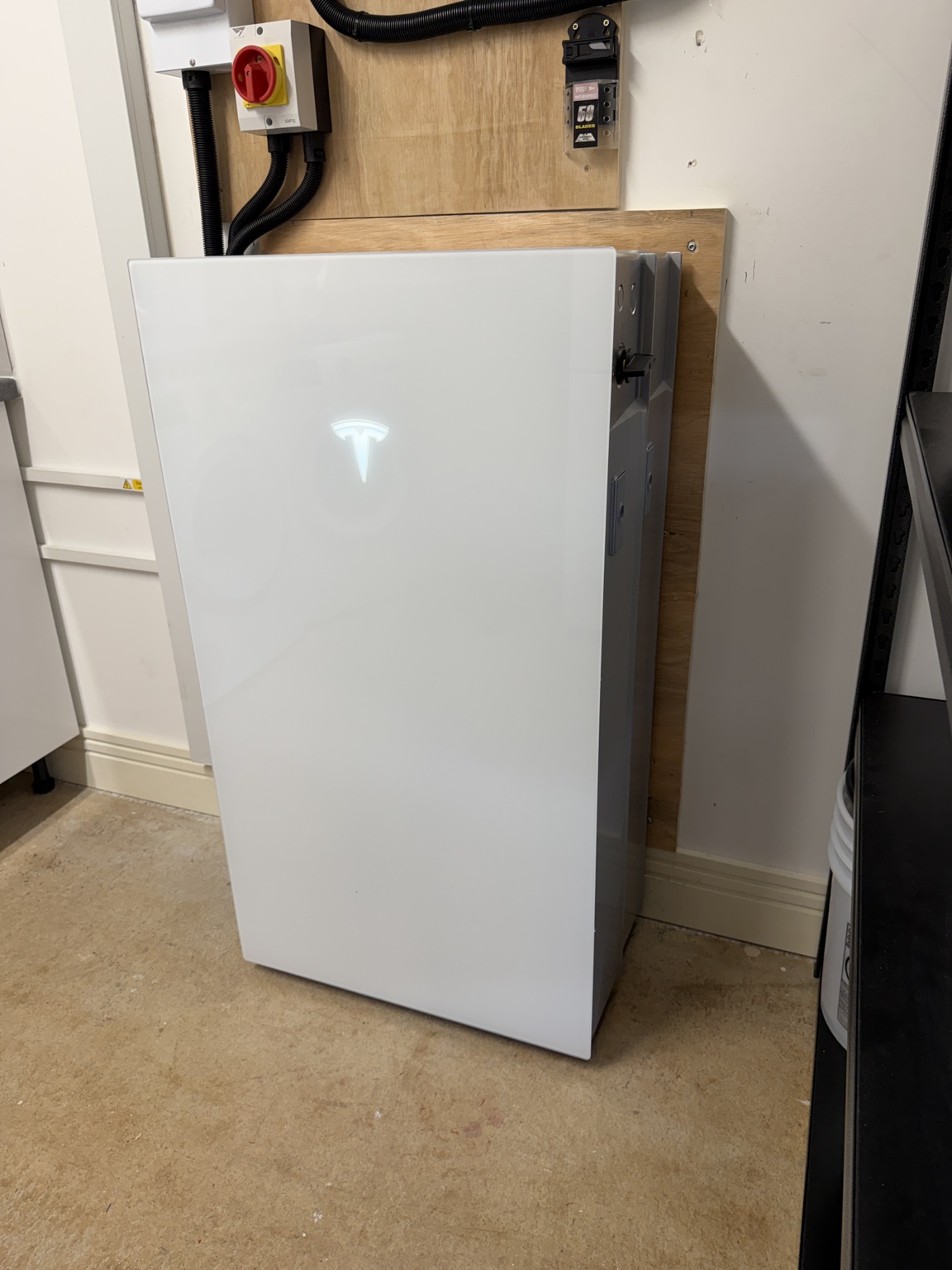
No. A battery can shift some generation into later hours, with losses and additional cost. It cannot create electricity or ordinarily store summer surplus for winter. Backup requires compatible equipment and a separately designed arrangement.
What should you compare before buying?
Compare roof condition, forecast annual generation, self-consumption, export terms, warranties and complete installed cost. Our Edinburgh solar value guide explains the assessment.
For a practical checklist, see questions to ask before installing solar. Existing owners can read about servicing and maintenance.
Solar design for your property
Renew-Able Solutions assesses roofs and electricity use across Edinburgh, East Lothian and wider Central and East Scotland. Explore our solar PV installation service or contact us for an assessment.
Reviewed 27 September 2026.