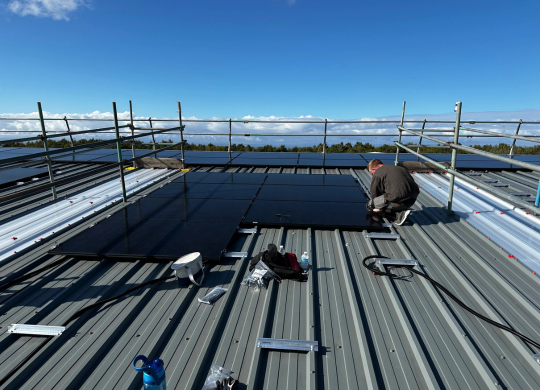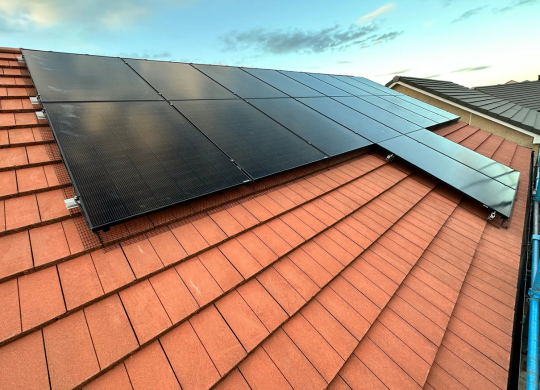
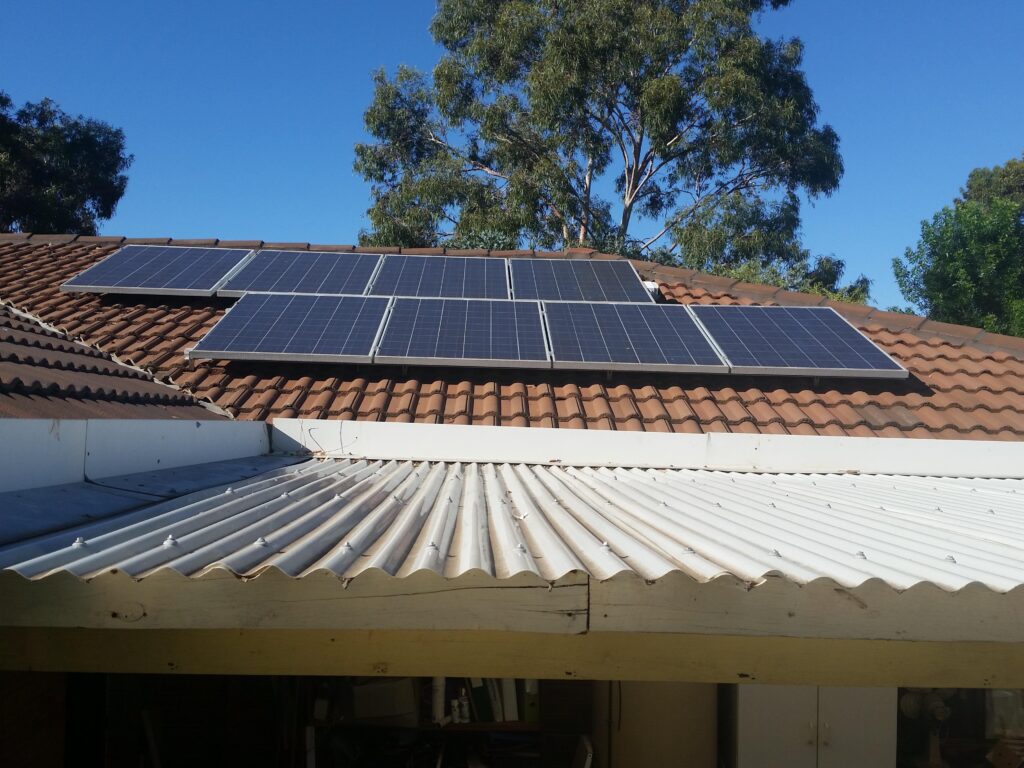
Solar photovoltaic (PV) panels convert daylight into electricity that can be used by a home or business. A complete system normally includes the panels, mounting equipment, DC cabling, an inverter, AC electrical protection, generation monitoring and a connection to the property’s consumer unit or distribution board.
This practical guide follows the electricity from the roof to the appliances, battery and grid. If you are considering an installation in Scotland, visit our solar PV installation service for details of our survey, design and certification process.
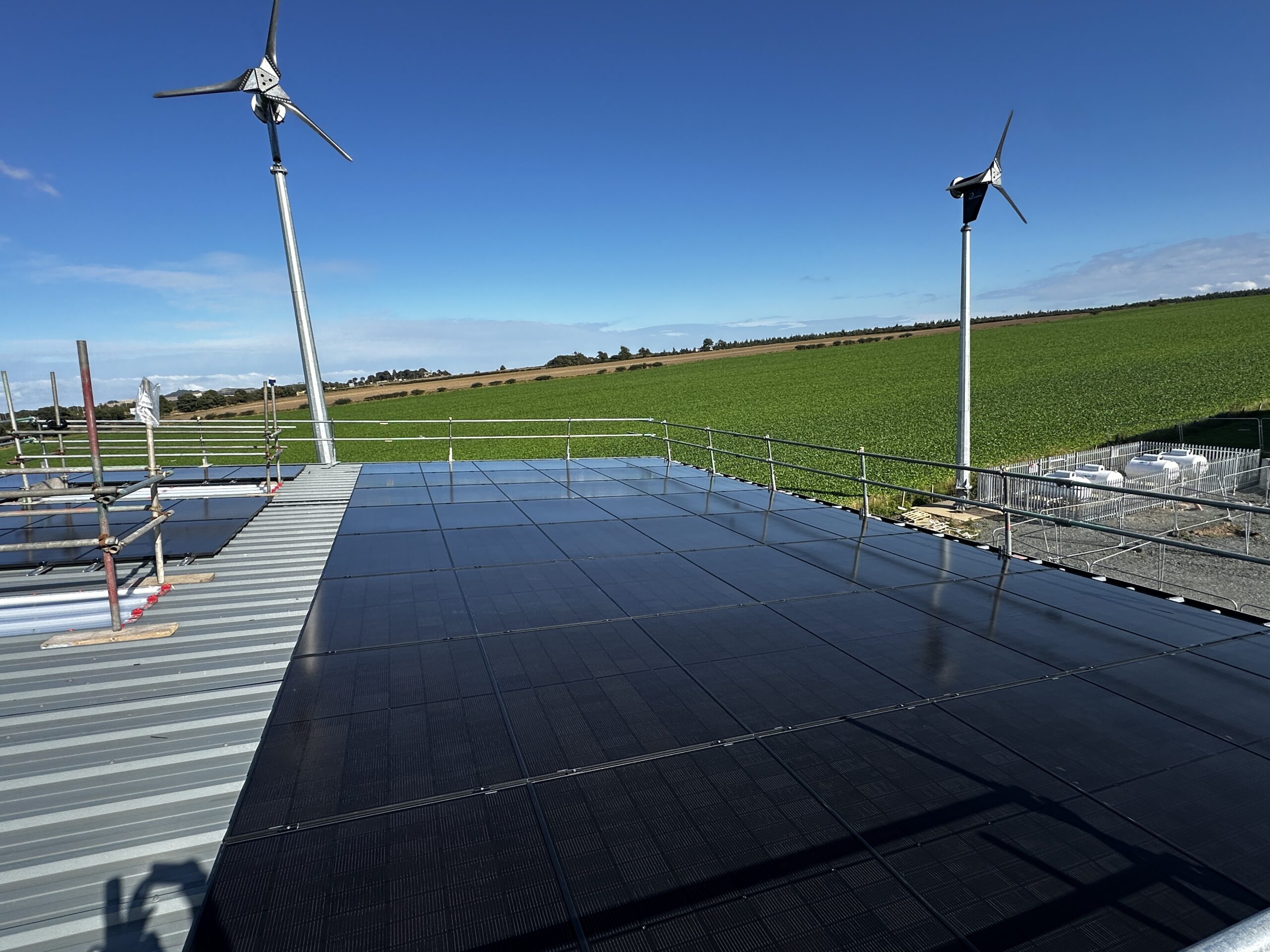
What does PV mean?
PV stands for photovoltaic. Each panel contains many solar cells made from semiconductor materials. When light reaches a cell, it allows electrical charge to move through the material and produces direct-current electricity. Panels generate most strongly in bright sunlight, but they can also produce electricity from diffuse daylight when the sky is overcast.
How electricity moves through a solar PV system
1. The panels generate DC electricity
Panels are connected into one or more electrical strings, or to individual module-level devices where the design requires them. Their output varies through the day and year according to light levels, temperature, orientation, pitch, shading and the electrical design.
2. The inverter converts DC to AC
Homes and most business equipment use alternating current (AC). The inverter converts the panels’ DC output into compatible AC electricity and monitors the system. Some installations use a single string inverter, some use microinverters, and hybrid systems can coordinate both solar panels and battery storage.
3. Solar electricity supplies the property
The converted electricity connects to the property’s electrical installation. Appliances and equipment operating at that moment can use the available solar generation. If demand is higher than solar output, the remaining electricity is imported from the grid automatically.
4. Surplus electricity can charge a battery or be exported
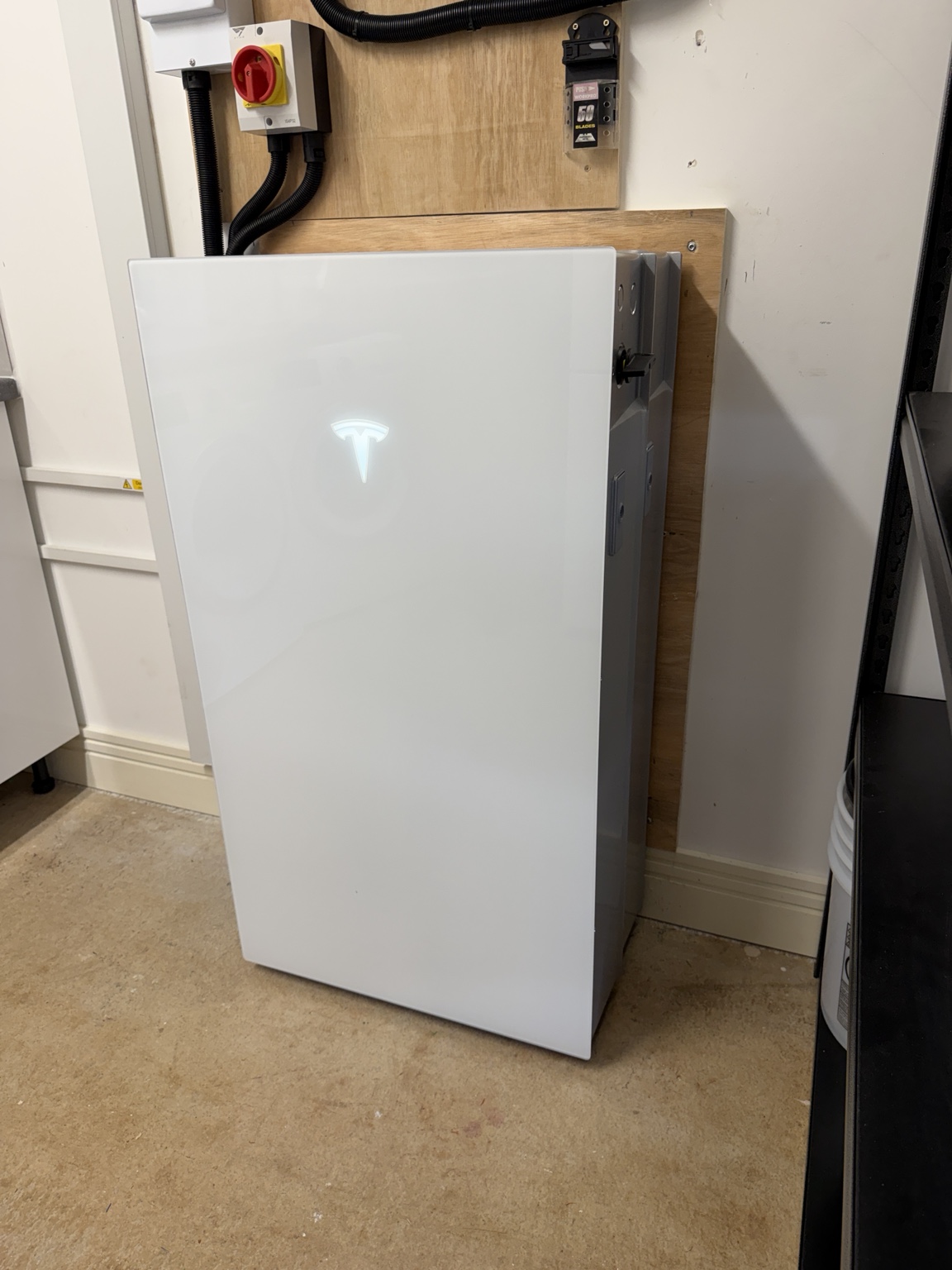
When generation exceeds immediate demand, a compatible battery storage system can store some of the surplus for later. Electricity that is not used or stored is normally exported through the grid connection, subject to the system design and any export limitation.
Do solar panels work in cloudy Scottish weather?
Yes. Solar PV responds to daylight rather than heat, so it continues generating under cloud, although output is normally lower than in strong direct sunshine. Annual production is more useful than judging a system from one day. A design estimate should use the site location, panel orientation, pitch, shading and expected system losses.
Our guide to solar performance in Scottish weather explains seasonal variation in more detail.
What happens at night or when demand is high?
Panels do not generate at night. A grid-connected property imports electricity whenever demand exceeds the available solar and battery output. If a battery has stored energy, it may supply part of the evening demand according to its settings and available charge.
A standard grid-connected solar system normally shuts down during a power cut to protect network workers. Backup operation requires compatible equipment and a specifically designed EPS or backup arrangement; fitting a battery alone does not guarantee power during an outage.
Grid connection, G98, G99 and export limits
Solar and battery equipment must be connected in accordance with the requirements of the local Distribution Network Operator (DNO). The applicable process depends on the generation capacity and equipment. Smaller systems may fall under G98 notification, while other projects require a G99 application before connection. Where export capacity is restricted, an approved G100 export-limitation scheme may be part of the design.
Renew-Able Solutions manages the appropriate DNO process for the agreed installation. Commercial customers can read our guide to commercial solar export limits and G100.
Can exported electricity earn a payment?
Eligible generators may apply to an electricity supplier for a Smart Export Guarantee tariff. The rate, metering requirements and eligibility conditions vary between suppliers and can change. The system must have the required documentation and an appropriate export-capable meter. See our Smart Export Guarantee guide for the application basics.
How is a solar PV system sized?
System size should reflect usable roof or ground space, shading, electrical capacity, grid constraints, budget and the property’s consumption profile. For homes, annual and daytime electricity use help shape the design. For businesses, half-hourly electricity data can show how closely demand aligns with solar generation.
More panels can increase annual generation, but the best design is not always the largest possible array. Self-consumption, export value, future EV or heat-pump demand, inverter capacity and battery strategy all influence the recommendation.
What equipment needs monitoring or maintenance?
Monitoring helps owners compare current operation with expected generation and identify alerts or unusual changes. Accessible panels, mounting, cabling, isolators, protection devices, inverters and batteries should be considered according to the system condition, manufacturer guidance and agreed inspection scope. Renew-Able Solutions provides solar PV and battery servicing for suitable systems.
Planning a solar PV installation
A professional proposal should explain the panel layout, equipment, estimated generation, shading assumptions, electrical work, DNO process, warranties, monitoring and exclusions. Savings and payback depend on future consumption, system performance and import and export tariffs, so they should be presented with clear assumptions rather than guaranteed.
Contact Renew-Able Solutions with your postcode, electricity use and property details to arrange the appropriate survey for a home or commercial solar project.
Understanding summer solar performance
See what happens to excess solar power in summer and why a solar system may trip more in summer.